Optimal Fertilizer for Growing Snow-on-the-mountain: What You Need to Know
1
Snow-on-the-mountain thrives with a comprehensive fertilizer blend during its primary growth period.
2
Excessive fertilization may cause leaf scorching and inhibited development, making adherence to suggested instructions vital.
3
Hydrating prior to and following fertilizer application helps avert root harm and facilitates nutrient uptake.
Understanding Fertilization Needs for Snow-on-the-mountain
What Nutrients Does Snow-on-the-mountain Require?
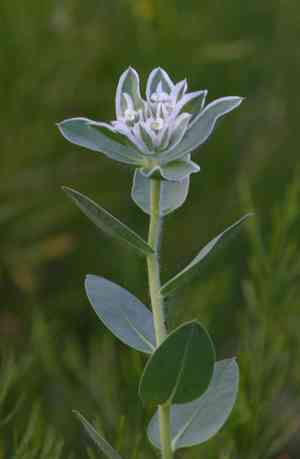
Snow-on-the-mountain, recognized for its distinct white-edged foliage, needs various crucial nutrients for optimal development. Key nutrients include nitrogen, phosphorus, and potassium—referred to collectively as NPK. Nitrogen supports lush leaf growth and general plant vigor. Phosphorus is vital for root formation and bloom production, while potassium ensures disease resistance and overall wellness. Minor nutrients like calcium and magnesium also contribute to maintaining soil quality and guaranteeing robust plant development.
The Importance of Proper Nutrient Balance
Similar to humans, Snow-on-the-mountain flourishes with a well-balanced diet. An unbalanced fertilizer can cause nutrient shortages or harmful excesses, impacting the plant's health. For example, excessive nitrogen may result in abundant foliage but poor flowering, while insufficient potassium can make the plant more vulnerable to pests and diseases. A balanced fertilizer guarantees that all necessary nutrients are present in correct proportions, encouraging vigorous growth and resilience.
Choosing the Right Type of Fertilizer for Snow-on-the-mountain
Organic vs. Synthetic Fertilizers
When picking a fertilizer for Snow-on-the-mountain, you'll find two main categories: organic and synthetic. Organic fertilizers, sourced from natural materials like compost and manure, release nutrients gradually, improving soil structure and microbial activity. Synthetic fertilizers, conversely, offer immediate nutrient availability but can sometimes lead to nutrient runoff if not applied correctly. For best outcomes, many gardeners prefer a balanced approach, combining the rapid benefits of synthetics with the long-term health advantages of organics.
Specialized Formulas for Optimal Growth
Specialized fertilizers are designed to meet the specific requirements of plants at various growth phases. For Snow-on-the-mountain, a balanced general-purpose fertilizer (such as 10-10-10) during the growing season can promote healthy foliage and blooming. In instances where soil analyses indicate particular nutrient shortages, targeted formulas can be utilized to correct imbalances and enhance plant performance. Always review product instructions and select a formula that aligns with the growth needs of your Snow-on-the-mountain plants.
Applying Fertilizer to Snow-on-the-mountain
When to Fertilize for Best Results
The optimal time to fertilize Snow-on-the-mountain is during the summer months when the plant is actively developing. Fertilizing during this period supports vigorous growth and vibrant leaves. Start by applying fertilizer in early summer and continue at regular intervals as per the product's guidelines. Avoid fertilizing during dormant periods, as excess nutrients can accumulate in the soil and harm the plant's root system.
Methods of Fertilizer Application
There are several ways to apply fertilizer to Snow-on-the-mountain. Granular fertilizers can be spread evenly around the plant's base and gently worked into the soil. Liquid fertilizers can be diluted with water and applied directly to the soil or as a foliar spray for rapid nutrient absorption. Slow-release fertilizers deliver a consistent supply of nutrients over time and are ideal for busy gardeners. Whichever method you choose, ensure uniform distribution and adhere to recommended dosage instructions to prevent nutrient imbalances.
Signs of Over-Fertilization and How to Correct It
Excessive fertilization can be harmful to Snow-on-the-mountain, leading to symptoms such as scorched leaf edges, yellowing, and stunted growth. If you suspect over-fertilization, reduce the amount of fertilizer applied and water the soil thoroughly to help flush out surplus nutrients. In severe cases, repotting the plant into fresh soil may be necessary. Regularly observing your plants and adjusting fertilization practices can prevent these problems and encourage healthy development.
Maintaining Snow-on-the-mountain After Fertilization
Watering Techniques Post-Fertilization
Proper watering is crucial after fertilizing to distribute nutrients and prevent root burn. Thoroughly water the soil before applying fertilizer to create a protective buffer, and water again after application to help dissolve and spread the nutrients. Ensure that the soil remains moist but not waterlogged, as standing water can lead to root rot issues.
Monitoring Plant Health
Following fertilization, it's important to observe your Snow-on-the-mountain for any indications of nutrient deficiencies or excesses. Regularly inspect the leaves and stems for changes in color, texture, or growth patterns. Healthy, vibrant foliage indicates that your fertilization strategy is effective. If you notice any problems, adjust your fertilization and care routines accordingly to maintain your plant's health and vitality.



