Optimal Fertilizer for Growing Mediterranean spurge: What You Need to Know
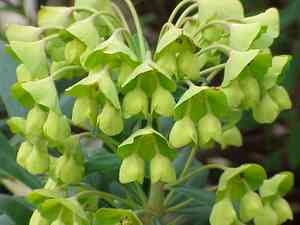
1
Euphorbia characias tolerates dry conditions and needs infrequent wateringâit's crucial to prevent excessive fertilization.
2
A 10-10-10 NPK blend is suitable for Mediterranean spurge.
3
Fertilizing Mediterranean spurge in spring yields optimal growth.
Understanding the Nutritional Needs of Mediterranean spurge
Essential Nutrients for Robust Growth
For thriving Mediterranean spurge, a balanced blend of vital nutrients is key. These include primary nutrients like nitrogen, phosphorus, and potassium (known as NPK), which are fundamental for development, root formation, and overall plant vigor. Nitrogen encourages lush, green foliage, phosphorus supports strong root systems and blooming, while potassium boosts the plant's disease resistance and aids in water retention.Beyond NPK, trace elements such as magnesium, calcium, and sulfur play a crucial role. Magnesium is vital for photosynthesis, calcium for cell wall development, and sulfur for protein synthesis. These micronutrients ensure your Mediterranean spurge flourishes and remains resilient.
How Soil Quality Influences Fertilization
Soil condition significantly impacts plant nutrition. Mediterranean spurge prefers well-drained, sandy, or loamy soil with a neutral to slightly alkaline pH (around 7-8). Soil that holds too much moisture can lead to root rot and other issues. Improving soil quality can be achieved by incorporating organic matter like compost, which enhances drainage and nutrient content.Testing your soil before fertilizing helps determine its specific nutrient makeup and pH level, allowing you to select the most appropriate fertilizer. You can obtain a soil testing kit from a garden center or submit a sample to a local extension service for a more detailed analysis.
Choosing the Right Fertilizer for Mediterranean spurge
Organic vs. Synthetic Fertilizers
When selecting fertilizers for your Mediterranean spurge, you'll encounter two main categories: organic and synthetic. Organic fertilizers, such as compost, manure, and bone meal, release nutrients gradually, fostering long-term soil health and microbial activity. They are generally safer for the environment and reduce the risk of over-fertilization.Conversely, synthetic fertilizers like ammonium nitrate or superphosphate offer immediate nutrient availability. They are often more concentrated and can be precisely formulated to meet specific nutritional requirements. However, excessive use can harm the soil and local water systems. Balancing the advantages of both types can provide effective fertilization solutions.
Ideal NPK Ratio for Mediterranean spurge
The optimal NPK (Nitrogen, Phosphorus, Potassium) ratio for Mediterranean spurge is typically balanced, such as 10-10-10 or 5-5-5. This balanced mixture ensures your plant receives adequate nitrogen for leaf growth, phosphorus for strong root development, and potassium for general health and disease resistance.While a balanced fertilizer often suffices, observing your plant for specific deficiencies can help fine-tune your approach. For instance, yellowing leaves might indicate a nitrogen deficiency, suggesting the need for a higher nitrogen content in your fertilizer.
Optimal Fertilizing Schedule for Mediterranean spurge
Seasonal Fertilization Approaches
For Mediterranean spurge, spring is the best time for fertilization. As the plant emerges from its winter dormancy, it needs a nutrient boost to support new growth. Applying fertilizer in early spring ensures your plant has the necessary nutrients to thrive throughout the growing season.A second, lighter application in mid-summer can provide an additional boost, especially if the plant appears to require it. Avoid fertilizing in late summer or fall, as encouraging new growth late in the season can make the plant susceptible to winter damage.
Signs of Under or Over-Fertilization
Recognizing the signs of under or over-fertilization helps maintain the health of your Mediterranean spurge. Under-fertilization often appears as stunted growth, pale or yellowing leaves, and weak stems. If you notice these symptoms, it might be time to increase your fertilizer application.Conversely, over-fertilization can lead to leaf burn, where leaf edges turn brown and crispy, or exceptionally rapid, but fragile, growth. To prevent this, always follow recommended dosage instructions and consider using a slow-release fertilizer. Flushing the soil with water can help alleviate issues caused by over-fertilization.
Fertilization Techniques and Best Practices
Proper Application Methods
Applying fertilizer correctly ensures your Mediterranean spurge benefits fully without the risk of over-fertilization. Granular fertilizers should be spread evenly around the plant's base and gently worked into the topsoil to prevent run-off. Avoid applying them directly onto the plant stems or leaves to prevent burning.For liquid fertilizers, dilute as instructed and apply to the soil around the plant's base. Foliar feeding, where fertilizer is sprayed directly onto the leaves, can also be effective but should be done in the early morning or late afternoon to prevent leaf burn from the sun.
Maintaining Soil Health Post-Fertilization
After fertilizing, maintaining soil health is crucial to ensure long-term plant vitality. Regularly adding organic matter, such as compost, improves soil structure and nutrient content. Mulching can also help retain moisture, suppress weeds, and add nutrients as it decomposes.Monitoring soil pH and nutrient levels annually can help you adjust your fertilization strategy as needed. Additionally, practicing crop rotation and avoiding monoculture planting can prevent soil nutrient depletion and keep your Mediterranean spurge thriving year after year.



