Optimal Fertilizer for Growing Burning bush: What You Need to Know
1
Achieve optimal outcomes by feeding your Burning bush in the spring as its growth phase commences.
2
Regular irrigation post-fertilization aids in better nutrient uptake.
3
Apply a balanced, gradual-release fertilizer to supply your Burning bush with sustained nourishment.
Deciphering the Dietary Requirements of Burning Bush
Crucial Nutrients for Burning Bush Health
To achieve its lush green leaves and brilliant red autumn hues, your Burning Bush needs a mix of major and minor nutrients. These include nitrogen (N) for foliage development, phosphorus (P) for root strength, and potassium (K) for overall hardiness. Furthermore, trace elements such as iron (Fe), manganese (Mn), and magnesium (Mg) contribute to plant health by supporting various biological functions.
Signs of Nutritional Deficiencies in Burning Bush
Nutrient shortages in Burning Bush can appear in various ways. If the plant's leaves yellow, it might be low on nitrogen. A lack of phosphorus could lead to stunted growth and fewer leaves, while curled or brown leaf edges may signal insufficient potassium. Recognizing these indicators early allows for adjustments to your feeding regimen to meet the plant's specific needs.
Selecting the Appropriate Fertilizer for Your Burning Bush
Fertilizer Types Suitable for Burning Bush
When choosing a fertilizer for your Burning Bush, select a balanced, slow-release product. An N-P-K ratio of 10-10-10 or 14-14-14 is ideal. Slow-release formulas provide a steady stream of nutrients over time, ensuring continuous nourishment throughout the growing season. Also, formulas enhanced with micronutrients can help correct minor deficiencies and promote general plant vitality.
Organic vs. Synthetic Fertilizers: Optimal Choice for Burning Bush?
Both organic and synthetic fertilizers have advantages and disadvantages. Organic options, like compost or aged manure, enhance soil structure and its capacity to retain moisture and nutrients. However, their nutrient release might be slower. Synthetic fertilizers offer immediate nutrient availability and are formulated for specific plant requirements, but they can sometimes cause salt accumulation in the soil. A combination of both types may provide a balanced approach to nourishing your Burning Bush.
Fertilizer Application Techniques for Burning Bush
Detailed Guide to Fertilizing Burning Bush
Clear the area around the base of your Burning Bush, removing any debris or existing mulch.Evenly distribute a slow-release granular fertilizer around the plant's drip line.Gently incorporate the fertilizer into the topsoil using a hand rake or garden fork.Water the area thoroughly to help dissolve the fertilizer and allow it to penetrate the root zone.Reapply the mulch to help maintain soil moisture and temperature.
Optimal Fertilization Period for Burning Bush
For best results, fertilize your Burning Bush in the spring, precisely as new growth emerges. This timing ensures the plant has access to necessary nutrients during its most active growth phase. A second, lighter application can be done in late summer to bolster fall coloration, but avoid fertilizing after early autumn to prevent new, delicate growth vulnerable to frost damage.
Common Errors to Avoid When Fertilizing Burning Bush
Excessive fertilization: This can lead to nutrient burn and root damage, resulting in slowed growth or browning leaves.Fertilizing too late in the growing cycle: Late-season feeding can stimulate new growth that won't harden off before winter, increasing the risk of cold weather damage.Neglecting soil analysis: Testing your soil can pinpoint nutrient deficiencies, helping you choose the correct fertilizer and application rates.
Monitoring Burning Bush Health Post-Fertilization
Indicators of Effective Fertilization in Burning Bush
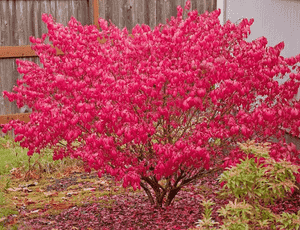
Vibrant leaf coloration, robust development, and abundant new shoots are all indications that your Burning Bush is thriving from fertilization. Healthy plants will display consistent, rich foliage and a notable decrease in any prior deficiency symptoms. Furthermore, a well-fed Burning Bush should exhibit its characteristic fiery red fall color, a strong sign of overall vigor.
Adjusting Fertilization Based on Plant Response
Observe your plant's reaction throughout the growing season to fine-tune your fertilization practices. If growth seems slow or signs of nutrient deficiencies reappear, you may need to modify the type or quantity of fertilizer used. Conversely, if the plant appears overly vigorous with excessively green or dense foliage, consider reducing the fertilization rate. Regular soil tests can also help guide your adjustments, ensuring your Burning Bush remains healthy and vibrant all year.



