Optimal Fertilizer for Growing Tasmanian blue gum: What You Need to Know
1
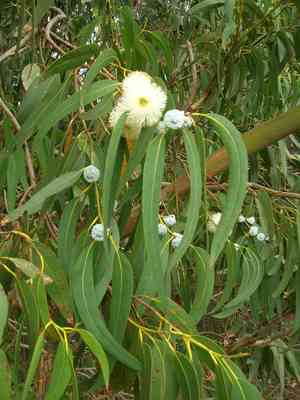
Eucalyptus globulus, or Tasmanian blue gum, can reach heights of 70 meters (230 feet) and adapt to diverse climatic conditions.
2
To achieve optimal growth, feed your plant with a comprehensive N-P-K (nitrogen, phosphorus, potassium) fertilizer during the spring season.
3
Excessive fertilization may lead to nutrient burn, visible as foliage browning or yellowing.
Deciphering Fertilizer Requirements for Tasmanian blue gum
Nutrient Needs Specific to Tasmanian blue gum
The Tasmanian blue gum, a magnificent tree, is recognized for its rapid development and impressive height. To achieve its full potential, it requires a balanced supply of crucial nutrients. Essential elements for Tasmanian blue gum include nitrogen for leaf production, phosphorus for root establishment, and potassium for general vigor and disease resistance. Furthermore, trace elements like iron, manganese, and zinc are vital for sustaining the tree's vibrant foliage and structural integrity.
Indicators of Nutrient Deficiency in Tasmanian blue gum
Prompt identification of nutrient deficiencies can avert lasting harm to your Tasmanian blue gum. Typical indicators of nutrient deficiency encompass yellowing or browning leaves, impeded growth, and poor new leaf development. For example, a nitrogen deficit commonly leads to older leaves yellowing, while a lack of phosphorus can result in dark, purplish-tinged leaves. Potassium deficiency frequently manifests as yellowing leaf edges and tips, eventually causing leaves to curl.
Selecting the Appropriate Fertilizer for Tasmanian blue gum
Fertilizer Varieties Suitable for Tasmanian blue gum
When choosing a fertilizer for Tasmanian blue gum, it's essential to consider the tree's particular requirements. A balanced, slow-release N-P-K fertilizer with a ratio of 10-10-10 or 14-14-14 is generally advised. Slow-release formulas ensure that nutrients are supplied to the tree consistently over time, minimizing the danger of over-fertilization. For those preferring natural options, well-rotted compost or manure can also be effective in providing the necessary nutrients.
Organic vs. Synthetic Fertilizers: Which is Better for Tasmanian blue gum?
The decision between organic and synthetic fertilizers largely depends on individual preference and environmental considerations. Organic fertilizers, such as compost or liquid fish emulsion, improve soil health by enhancing its structure and increasing microbial activity. This, in turn, supports the long-term vitality of the Tasmanian blue gum. Conversely, synthetic fertilizers are formulated for rapid nutrient release and precise nutrient ratios, making them a convenient option for immediate nutrient correction. However, they can sometimes lead to nutrient runoff and soil degradation if not applied carefully.
Methods for Applying Fertilizer to Tasmanian blue gum
Optimal Time to Fertilize Tasmanian blue gum
Spring is the best period to fertilize Tasmanian blue gum. As the tree commences its active growth phase, it can absorb and utilize nutrients more effectively. Fertilizing in the spring promotes vigorous growth, ensures healthy leaf and root development, and prepares the tree for the upcoming growth period. Avoid fertilizing in late autumn or winter, as the tree is in a dormant state and less capable of nutrient absorption.
Step-by-Step Fertilizer Application Procedure
Applying fertilizer correctly can significantly influence the health and development of your Tasmanian blue gum. Here is a detailed guide to ensure proper application:Assess the Area: Estimate the tree's canopy spread to define the area requiring fertilization.Prepare the Soil: Lightly loosen the soil around the tree's drip line to aid nutrient absorption.Administer the Fertilizer: Disperse the fertilizer evenly over the prepared area. For granular products, use a spreader for uniform distribution.Water Thoroughly: After applying the fertilizer, irrigate the area deeply to help dissolve the nutrients and transport them to the roots.Observe and Adjust: Monitor the tree in the subsequent weeks to ensure it responds well to the fertilization. Adjust the quantity and frequency of fertilization as needed based on the tree's growth and health.
Observing Tasmanian blue gum After Fertilization
Growth Tracking and Fertilization Adjustments
Following fertilization, closely observe your Tasmanian blue gum for indications of new growth and overall health enhancements. Regularly inspect the tree's foliage, trunk, and root system. If you notice yellowing leaves or stunted growth despite fertilization, it might suggest an imbalance or toxicity. Based on your observations, you may need to modify the type or quantity of fertilizer used.
When to Consult an Expert for Tasmanian blue gum Care
There are situations where professional guidance can be invaluable. If you notice consistent signs of nutrient deficiency or pest issues that you cannot resolve, it is advisable to seek counsel from a horticulturist or arborist. Experts can perform soil analyses, diagnose specific problems, and recommend targeted treatments to ensure your Tasmanian blue gum flourishes.



