Optimal Fertilizer for Growing River red gum: What You Need to Know
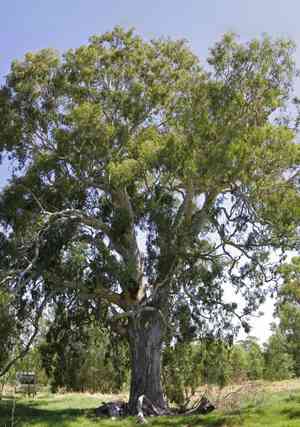
1
Spring is the optimal period to feed your River red gum, coinciding with its vigorous growth phase.
2
Formulations such as 10-10-10 or 20-20-20 provide a complete nutritional profile for River red gum, making them perfect.
3
Organic feeding options benefit your River red gum while simultaneously enhancing the soil's condition and composition.
Deciphering the Dietary Needs of River Red Gum
Crucial Macronutrients for River Red Gum Development
Your River red gum flourishes with three primary macronutrients: nitrogen (N), phosphorus (P), and potassium (K). Nitrogen is vital for foliage growth and general green canopy expansion, phosphorus supports root, blossom, and fruit well-being, and potassium boosts the tree’s overall vigor and immunity to illness. To ensure your tree receives these elements, use a balanced fertilizer like a 10-10-10 or 20-20-20 mixture.
Micronutrients' Role in Plant Health and Pest Resistance
While macronutrients get most of the attention, micronutrients such as iron, zinc, and manganese are equally essential for a thriving River red gum. These components facilitate various minor yet critical processes within the tree, including chlorophyll production, enzyme activation, and overall cellular function. A lack or shortage of these micronutrients can result in issues like chlorosis (leaf discoloration) and stunted development.
Selecting the Appropriate Fertilizer for River Red Gum
Organic Versus Synthetic Fertilizers: What's Ideal for River Red Gum?
When considering fertilizer types, you can choose between natural and artificial formulations. Organic fertilizers, like compost and aged manure, nurture the plant while also enhancing the soil's health and composition. Synthetic fertilizers, conversely, offer a concentrated and rapid nutrient boost. For a sustained approach, organic fertilizers are generally the superior choice due to their eco-friendly nature and their positive impact on soil vitality.
Fertilization Timing and Application Frequency
The best period to fertilize your River red gum is during spring, which is the tree’s active growth phase. Apply fertilizer once at the beginning of spring and, if necessary, again in mid-spring. Excessive fertilization can harm the tree, so ensure you follow the recommended application rates on your chosen fertilizer's packaging.
How to Administer Fertilizer to River Red Gum
Step-by-Step Instructions for Fertilizer Application
Measure the necessary amount of fertilizer based on the tree's size and the product's guidelines.Distribute the fertilizer evenly at the tree's base, concentrating on the drip line (the area beneath the outer circumference of the tree's branches) rather than near the trunk.Gently incorporate the fertilizer into the topsoil to improve absorption.Thoroughly water the area to help dissolve the fertilizer and initiate nutrient uptake by the roots.
Common Errors to Avoid When Fertilizing River Red Gum
Refrain from over-fertilizing, as excessive nutrients can lead to rapid, weak growth and increase vulnerability to pests and disease. Do not apply fertilizer too close to the trunk; always target the outer drip line region to encourage root system expansion. Finally, ensure you thoroughly water the tree after fertilizing to aid nutrient absorption and prevent root burn.
Monitoring River Red Gum After Nutrient Application
Indicators of Successful Fertilization
Following fertilization, a well-nourished River red gum will exhibit vibrant green leaves, consistent growth, and resilience to common pests and diseases. Look for an overall improvement in vigor and a lush, healthy canopy.
Adjusting Care Based on the Plant's Reaction
If your River red gum shows signs of nutrient deficiency, such as yellowing leaves or poor growth, you may need to modify the type or quantity of fertilizer used. Conversely, if the tree exhibits signs of overly rapid growth or leaf scorch, decrease the frequency or amount of fertilizer. Always observe and respond to the tree’s specific requirements for optimal health.



