Optimal Fertilizer for Growing California poppy: What You Need to Know
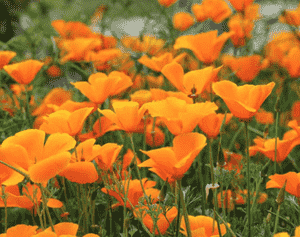
1
California poppies thrive in soil with low to moderate nutrient content, meaning a conservative approach to feeding is generally best.
2
An all-purpose 10-10-10 (N-P-K) plant food is typically suitable for California poppies, applied lightly during the summer season.
3
Excessive fertilization of California poppies can result in abundant leaf development at the expense of fewer blossoms.
Deciphering the Fertilization Needs of California Poppy
Soil Needs for Peak Nutrient Uptake
Understanding the soil conditions for California poppy is vital as they directly influence how well nutrients are absorbed. These attractive orange flowers thrive best in soil that drains well, is sandy or loamy, and has a slightly acidic to neutral pH. If your garden has dense clay or excessively rich soil, incorporating sand or fine gravel can improve drainage and replicate the plant's natural habitat. Keep in mind that California poppy originates from areas with poor soil, so excessive nutrient enrichment can be detrimental.
Identifying Symptoms of Nutrient Deficiency in California Poppy
Spotting nutrient deficiencies early on can prevent stunted growth and poor flowering in your California poppy. Look for yellowing leaves, which might signal a lack of nitrogen, or purplish tints on the foliage, indicating a phosphorus shortage. Observe the plant's overall vitality; weak or sparse development can also be a clear indication that your California poppy requires a nutrient boost.
Selecting the Appropriate Fertilizer for California Poppy
Organic Versus Synthetic Fertilizers: A Comparison
Choosing between organic and synthetic fertilizers for your California poppy can be perplexing. Organic fertilizers, like compost or well-rotted manure, slowly release nutrients and enhance soil structure, making them excellent for maintaining long-term soil health. Synthetic fertilizers offer a quick nutrient supply but can lead to soil degradation over time. For California poppy, a balanced approach is ideal: use organic fertilizer as a foundation and supplement with a balanced synthetic option, such as a 10-10-10 (N-P-K), if immediate nutrient replenishment is required.
Essential Nutrients for California Poppy
Certain nutrients are fundamental for the robust growth of California poppy. Nitrogen encourages foliage development, while phosphorus is critical for root formation and blooming, and potassium improves overall plant vigor. Micronutrients such as iron, manganese, and zinc, though needed in smaller quantities, are also significant for preventing deficiencies and promoting healthy flowers. Ensure your chosen fertilizer provides a balanced mix to meet these requirements and support vivid poppies in your garden.
Applying Fertilizer to California Poppy
Correct Fertilization Methods
When applying fertilizer to California poppy, moderation is key. Start by lightly scattering the fertilizer around the plant's base, making sure it doesn't directly touch the stems or leaves. Gently work the fertilizer into the topsoil layer using a small hand rake or your fingers. Water the plant thoroughly after application to help distribute the nutrients evenly. For liquid fertilizers, adhere to the manufacturer's instructions for dilution and application frequency to prevent nutrient overload.
Determining the Ideal Time for Fertilization
The best time to fertilize California poppy is during the summer months, aligning with its active growth and flowering period. Applying fertilizer at this time ensures the plant has the necessary nutrients to sustain its vibrant blossoms. However, avoid fertilizing late in the season or during dormancy, as this can stress the plant and result in undesirable growth patterns. A midsummer application typically achieves the right balance, promoting healthy blooms without overwhelming the plant.
Avoiding Common Fertilizing Errors with California Poppy
The Detrimental Effects of Over-Fertilization
One of the most frequent mistakes in California poppy care is excessive fertilization. While it might seem that more nutrients would result in a stronger plant, the opposite is often true. Over-fertilizing can lead to luxuriant foliage at the expense of flowers, damaged root systems, and even nutrient burn, where the plant's leaves turn brown and crisp. Such stress can ultimately jeopardize the health and lifespan of your California poppy.
Indications of Over-Fertilization and Solutions
It's vital to look for signs of over-fertilization to take prompt corrective actions. Symptoms include rapid, leggy growth, browning leaf tips, and salt deposits on the soil surface. If you suspect over-fertilization, flush the soil with ample water to wash away excess salts and nutrients. Reduce future fertilizer applications and consider using a balanced organic fertilizer to ensure a steady, manageable nutrient release. Continuously monitor your California poppy to ensure it remains healthy and vibrant.



