Optimal Fertilizer for Growing Purple coneflower: What You Need to Know
1
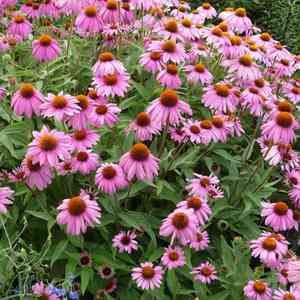
Purple coneflower grows most vigorously when fertilized with a balanced 10-10-10 mixture during early spring.
2
Employing organic fertilizers enhances the soil's condition and supplies enduring nourishment to Purple coneflower.
3
Refrain from excessive fertilization of Purple coneflower to prevent damage to roots and accumulation of salts in the soil.
Deciphering the Nutritional Requirements of Purple Coneflower
Identifying Essential Nutrients
The Purple coneflower is a robust and easily cultivated perennial that flourishes in diverse soil types. Nevertheless, it requires specific nutrients to achieve its full potential. Crucial nutrients for Purple coneflower include nitrogen (N) for leaf development, phosphorus (P) for root and blossom formation, and potassium (K) to boost overall plant vigor. Ensuring these nutrients are adequately supplied is vital for prolific flowering and strong development throughout the growing period.
Optimal Fertilization Period
Timing is paramount for fertilizing Purple coneflower. The ideal period for nutrient application is in early spring, just as fresh shoots begin to emerge. This allows the plant to efficiently absorb nutrients as it prepares for the upcoming growth cycle. Spring fertilization helps ready the plant for a thriving season of vivid flowers and healthy foliage.
Selecting the Appropriate Fertilizer for Purple Coneflower
Organic Versus Chemical Fertilizers
When choosing a fertilizer for your Purple coneflower, you have two primary options: organic and synthetic. Organic fertilizers, like compost, bone meal, or aged manure, release nutrients slowly and enhance long-term soil health. They also generally present less risk of fertilizer burn. Conversely, synthetic fertilizers provide fast-acting nutrients that offer an immediate boost to plant development. Both types can be effective, but many gardeners favor organic choices for their ecological benefits and soil-enriching qualities.
Nutrient Specifics for Blooming Varieties
Flowering plants such as the Purple coneflower thrive with a balanced fertilizer, commonly labeled as 10-10-10, signifying equal parts nitrogen, phosphorus, and potassium. This balanced nutrient profile supports all facets of plant growth: maximizing flower production, fortifying roots, and improving overall plant health. Furthermore, incorporating micronutrients like calcium, magnesium, and iron can further enhance the vitality and brilliance of your plants.
Method for Applying Fertilizer to Purple Coneflower
Step-by-Step Fertilizing Procedure
Correct fertilizer application ensures your Purple coneflower receives necessary nutrients without damage. Here's a straightforward guide:Prepare the Soil: Loosen the soil around the plant's base to a depth of about 2-3 cm (1 inch).Measure the Fertilizer: Adhere to manufacturer guidelines for the correct fertilizer quantity. Typically, 1-2 tablespoons per plant is sufficient.Apply Evenly: Distribute the fertilizer uniformly around the plant's base, avoiding direct contact with the stem to prevent burning.Water Thoroughly: Irrigate the area well to help dissolve the fertilizer and deliver it to the root zone.Mulch: Optionally, add a layer of mulch around the plant to help retain moisture and suppress weeds.
Observing Plant Response to Nutrient Application
After fertilizing, it's vital to observe your Purple coneflower for several weeks to assess its reaction. Look for indications of new growth and vibrant blossoms, which signify the plant is benefiting from the nutrients. If the plant shows signs of stress, such as yellowing leaves or stunted development, you might need to adjust the fertilizer amount or frequency. Consistent monitoring allows for prompt intervention if your plant isn't responding as expected.
Typical Fertilizing Errors with Purple Coneflower
Excessive Fertilization and Salt Accumulation
A frequent error when fertilizing Purple coneflower is over-fertilizing. Applying too much fertilizer can lead to a build-up of salts in the soil, potentially harming the plant's roots and hindering water uptake. Symptoms of over-fertilization include leaf burn, wilting, and reduced growth. It's crucial to follow recommended guidelines and resist the urge to 'double up' on fertilizer, believing it will quicken growth.
Neglecting Soil Analysis
Ignoring soil testing is another common mistake among gardeners. Soil tests provide invaluable information regarding the nutrient content and pH of your garden soil. Knowing these specifics aids in selecting the appropriate fertilizer and preventing nutrient imbalances. Many local agricultural extension offices offer soil testing services. By investing a small amount of time in soil analysis, you can customize your fertilization strategy for optimal plant health and growth.



