Optimal Fertilizer for Growing Golden dewdrops: What You Need to Know
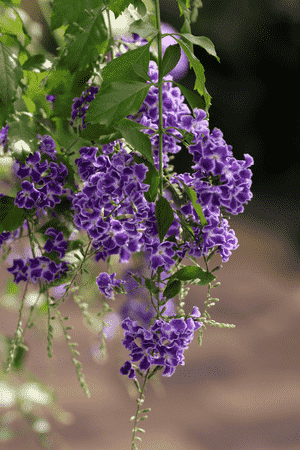
1
Feed Golden Dewdrops mainly during the summer months when they are actively developing.
2
Apply a balanced plant food, such as a 10-10-10 or 20-20-20 formula, for optimal outcomes.
3
Refrain from excessive fertilization to prevent nutrient toxicity and root harm.
Deciphering the Nutritional Requirements of Golden Dewdrops
Crucial Nutrients for Golden Dewdrops
Just like all flora, Golden dewdrops depend on vital nutrients to flourish. The primary macronutrients essential for their development include nitrogen (N), phosphorus (P), and potassium (K). Nitrogen promotes leaf and stem growth, phosphorus boosts root development, and potassium is key for overall plant vitality, enhancing disease resistance and flower production.
Indicators of Nutrient Deficiency
Recognizing nutrient deficiencies in Golden dewdrops is vital for prompt intervention. Common indicators include yellowing leaves (suggesting nitrogen deficit), stunted development (phosphorus deficit), and browning leaf margins (potassium deficit). Early detection of these signs aids in adjusting the feeding regimen accordingly.
Effects of Excessive Fertilization
Over-fertilization can be as detrimental as under-fertilization. Too many nutrients, particularly nitrogen, can result in rampant foliage growth with fewer blossoms. Furthermore, it can cause nutrient burn, characterized by brown tips and edges on leaves, ultimately harming the plant's roots and overall health.
Selecting the Appropriate Fertilizer for Golden Dewdrops
Fertilizer Varieties: Organic versus Synthetic
When choosing fertilizers for Golden dewdrops, it's crucial to understand the distinctions between organic and synthetic options. Organic fertilizers, like compost and vermicompost, release nutrients gradually, enhancing soil health and sustainability. Conversely, synthetic fertilizers offer immediate nutrient availability, effective for rapid growth spurts. Both types have advantages, so consider your gardening objectives and environmental preferences before deciding.
Recommended Fertilizer Composition
For Golden dewdrops, a well-balanced fertilizer with an equal ratio, such as 10-10-10 or 20-20-20, is advised. These figures represent the proportions of nitrogen, phosphorus, and potassium, respectively, ensuring the plant receives an even distribution of essential nutrients for optimal growth and flowering.
Fertilizer Application Advice
Effective fertilizer application involves proper timing and technique. For best outcomes, apply fertilizer in the early morning or late evening when temperatures are milder. Avoid fertilizing during extreme heat to prevent root damage. Additionally, always irrigate the plant after applying granular fertilizers to aid in nutrient uptake.
Optimal Fertilizing Regimen for Golden Dewdrops
Seasonal Fertilizing Requirements
The ideal time to fertilize Golden dewdrops is during the summer season when the plant exhibits its most vigorous development. During winter, when the plant's growth decelerates, reduce fertilization to prevent nutrient accumulation in the soil, which can harm the root system.
Fertilizing Frequency
Throughout the growing season, aim to fertilize Golden dewdrops every 4-6 weeks. This frequency provides a consistent nutrient supply, ensuring continuous, healthy development. During the dormant season, you can decrease this to just once or twice to maintain soil fertility without promoting undesirable growth.
Adjusting Fertilization Based on Plant Condition and Growth Phase
Modify your fertilization schedule according to the plant's health and its developmental stage. For young plants and cuttings, use a diluted fertilizer solution to avoid overwhelming the delicate roots. Mature, established plants with vigorous growth necessitate a more robust fertilization routine to support their larger structure.
Fertilizing Methods for Golden Dewdrops
Surface Application Techniques
Surface application involves scattering granular fertilizer evenly around the base of the plant. This approach is effective for slow-release fertilizers. Ensure you water the soil after application to help dissolve the granules.
Deep Root Feeding Strategies
Deep root feeding delivers nutrients directly to the root zone, ensuring efficient absorption. This method is especially useful for established plants. Use a root feeder or a soil injector to apply liquid fertilizers 15-30 cm (6-12 inches) below the soil surface, closer to the plant’s roots.
Foliar Feeding: Advantages and Disadvantages
Foliar feeding involves spraying a nutrient solution directly onto the leaves, allowing rapid absorption through the stomata. It is beneficial for quick nutrient replenishment, particularly when soil conditions are suboptimal. However, it should supplement, not replace, soil fertilization due to its temporary effectiveness and the potential risk of leaf burn if not performed correctly.



