Optimal Fertilizer for Growing Garden pink: What You Need to Know
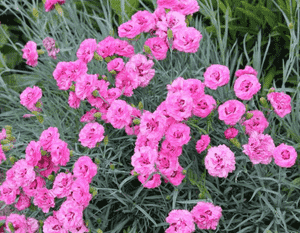
1
For optimal growth, provide Garden pink with a balanced NPK (Nitrogen, Phosphorus, Potassium) fertilizer in the spring.
2
After fertilizing, a layer of mulch can aid in keeping soil moist and enhancing nutrient uptake.
3
Excessive fertilization may result in the accumulation of salts in the soil, which can be detrimental to Garden pink.
Deciphering the Nutritional Requirements of Garden Pink
Crucial Nutrients for Thriving Garden Pink
For robust development and vivid blossoms, Garden pink necessitates a blend of vital nutrients. Nitrogen (N) is key for fostering lush, green leaves. Phosphorus (P) aids strong root formation and boosts flowering, ensuring those stunning pink blooms can flourish. Potassium (K) promotes overall plant vitality and enhances disease resistance. A balanced NPK ratio is essential for maintaining flourishing Garden pink plants.
Indicators of Nutritional Deficiencies in Garden Pink
Recognizing the symptoms of nutrient shortages in Garden pink is crucial for prompt action. Common signs include yellowing leaves, stunted development, and reduced flowering. If the foliage turns pale or exhibits necrotic spots, it might signal a lack of phosphorus. Furthermore, weak stems and poor blooming often stem from potassium deficiencies. Understanding these issues helps in quickly resolving them to restore plant health.
Selecting the Appropriate Fertilizer for Garden Pink
Organic vs. Synthetic Fertilizers: Advantages and Disadvantages
When choosing fertilizers for Garden Pink, you can opt for either organic or synthetic options. Organic fertilizers, like compost and bone meal, provide a slow release of nutrients and enhance soil structure. They are eco-friendly but might act slower than synthetic fertilizers. Synthetic fertilizers offer an immediate nutrient boost, which can be advantageous for rapid growth. However, they can cause nutrient imbalances and potential environmental issues if overused. Grasping these aspects helps in making an informed decision for Garden Pink care.
Optimal Fertilizer Formulations for Garden Pink
For prime growth, Garden Pink thrives with a balanced fertilizer formula, ideally with an NPK ratio of 10-10-10 or 14-14-14. These ratios ensure a consistent supply of nutrients, promoting healthy foliage, robust root systems, and abundant blooms. Moreover, slow-release fertilizers are excellent choices as they deliver a steady nutrient supply over time, minimizing the risk of over-fertilization.
When and How to Fertilize Garden Pink
Best Times to Fertilize Garden Pink Throughout the Year
The most opportune time to fertilize Garden Pink is during spring when the plant enters its active growth phase. Early spring applications help kickstart growth and support the development of vibrant blooms. A second, lighter application can be done in mid-summer to sustain the growth. Avoid fertilizing in late fall or winter, as the plant enters dormancy, and nutrient absorption decreases.
How to Administer Fertilizer to Garden Pink
Applying fertilizer to Garden Pink involves a few steps to ensure effective nutrient uptake. Start by loosening the soil around the plant to allow the fertilizer to penetrate. Distribute the fertilizer evenly around the base, avoiding direct contact with the stems. Water the plant thoroughly after application to dissolve the fertilizer and deliver nutrients to the roots. For liquid fertilizers, adhere to the manufacturer's instructions for dilution rates and application frequency.
Common Errors to Avoid While Fertilizing Garden Pink
There are several common errors to avoid when fertilizing Garden Pink. Over-fertilizing can lead to nutrient burn and salt accumulation in the soil, harming the plant. Avoid applying fertilizers too close to the plant's base, as this can damage the roots. Additionally, using high-nitrogen fertilizers exclusively can result in excessive foliage growth at the expense of blooms. Ensuring balanced fertilization and adhering to recommended application rates will prevent these issues.
Monitoring Garden Pink's Health Post-Fertilization
How to Gauge Fertilizer's Effect on Garden Pink Growth
To evaluate the impact of fertilization on Garden Pink, observe for improved growth and flowering. Healthy, vibrant foliage, increased flower production, and robust root development indicate successful fertilization. Regularly check for signs of improvement a few weeks after fertilization. Consistent inspection will help determine the efficacy of the fertilization regimen.
Modifying Fertilization Practices Based on Plant Feedback
Based on the plant's response, adjust fertilization practices to meet Garden Pink's requirements. If you notice abundant foliage growth with few flowers, consider reducing nitrogen in the fertilizer mix. Conversely, if blooming is satisfactory but growth appears stunted, a slight increase in nitrogen may be beneficial. Continuous observation and adjustment will help maintain the plant's health and performance.



