Optimal Fertilizer for Growing Persian cyclamen: What You Need to Know
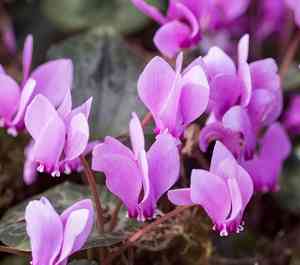
1
Persian cyclamen thrives with a well-rounded 10-10-10 NPK nutrient solution for peak development.
2
Refrain from supplying nutrients to Persian cyclamen while it's in its summer dormancy period.
3
Excessive fertilization may lead to scorched foliage and hinder bloom production in Persian cyclamen.
Deciphering Fertilizer Needs for Persian Cyclamen
Crucial Nutrients and Their Roles
Just like people, plants require various nutrients for optimal health. For Persian cyclamen, the key elements are nitrogen (N), phosphorus (P), and potassium (K). Nitrogen is vital for developing lush leaves and strong stems, ensuring the plant stays vibrant. Phosphorus aids in root system growth and is essential during blooming for bright, robust flowers. Potassium, conversely, enhances disease resistance and overall plant vigor, helping your Persian cyclamen withstand environmental challenges.
Indicators Your Persian Cyclamen Requires Feeding
Spotting when your Persian cyclamen needs a nutrient boost is important. Common signs include yellowing foliage, which might signal a nitrogen deficiency, or a lack of flowers, suggesting insufficient phosphorus. Furthermore, if the plant appears stunted or isn't developing as anticipated during its active period in spring, it could be time to consider applying fertilizer.
Selecting the Appropriate Fertilizer for Persian Cyclamen
Organic vs. Chemical Fertilizers: Advantages and Disadvantages
Deciding between organic and chemical fertilizers can be perplexing. Organic options, such as compost or fish emulsion, provide nutrients gradually and improve soil quality over time. They are eco-friendly and minimize the risk of over-feeding. However, their effects can be slower. Chemical fertilizers, like granular or liquid formulas, offer immediate nutrient access and are often more budget-friendly. The drawbacks include the possibility of over-fertilization and no long-term soil enhancement. Both types can work for Persian cyclamen, depending on your preference and the plant's specific requirements.
Suggested NPK Ratio for Persian Cyclamen
A balanced 10-10-10 NPK ratio is generally recommended for Persian cyclamen. This ensures the plant receives equal amounts of nitrogen, phosphorus, and potassium, supporting comprehensive growth and health. Always adhere to package directions to avoid nutrient imbalances or excessive feeding, and consider using half the recommended strength initially.
Optimal Fertilization Practices for Persian Cyclamen
Fertilization Frequency During Active Growth
During its active growth phase, primarily in spring, Persian cyclamen should receive fertilizer every 4-6 weeks. This schedule provides a steady supply of nutrients without overwhelming the plant. Always observe your plant’s reaction to adjust the routine as needed, ensuring it remains healthy and robust.
Applying Fertilizer: Step-by-Step Instructions
Fertilizing Persian cyclamen involves a few simple steps:Begin by selecting a balanced 10-10-10 NPK fertilizer.Dilute the fertilizer to half its recommended strength, especially if you're new to it or using a synthetic product.Thoroughly water the plant before application to prevent root damage.Apply the liquid fertilizer uniformly around the plant's base. For granules, sprinkle them on the soil surface and gently rake them in.Avoid getting fertilizer on the leaves or flowers to prevent potential burns.Finish by watering lightly again to help the fertilizer permeate the soil.
Common Errors to Avoid When Fertilizing Persian Cyclamen
Excessive Fertilization and Its Consequences
A frequent error when fertilizing Persian cyclamen is applying too much. Over-fertilization can result in leaf burn, identified by brown, crisp edges. Too many nutrients can also disrupt the plant’s natural growth cycle, leading to fewer blooms. Always be cautious and adopt a 'less is more' strategy.
Incorrect Fertilization Schedule
Timing is crucial for fertilization. Applying fertilizer during the dormant period, typically in summer, can stress the plant and interrupt its natural rest. The ideal time to fertilize is during active spring growth, aligning nutrient availability with the plant’s demands. Additionally, avoid fertilizing during extreme temperatures to prevent stress.



