Optimal Fertilizer for Growing Common turmeric: What You Need to Know
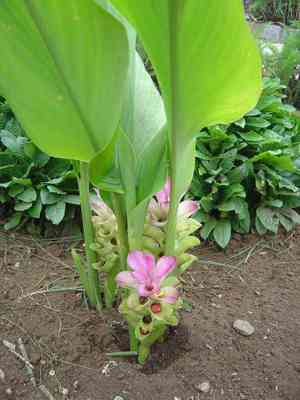
1
Common turmeric benefits from fertilization in spring, coinciding with the onset of new development.
2
Employing a balanced, extended-release plant food will maintain your Common turmeric's vitality and yield.
3
Ensure your Common turmeric is well-watered immediately following fertilization to aid nutrient absorption by the roots.
Understanding Nutrient Needs for Turmeric Plants
Optimal Fertilization Period for Turmeric
Timing is vital for nourishing turmeric. The best time to fertilize is in spring, as new growth emerges. This period marks the plant's exit from dormancy, requiring a nutrient boost for leaf development and root expansion. Observing new shoots or leaves will indicate the ideal moment to begin feeding.
Appropriate Fertilizer Types for Turmeric
Selecting the correct fertilizer is crucial for healthy turmeric growth. A balanced, slow-release granular fertilizer with an equal N-P-K ratio (Nitrogen, Phosphorus, Potassium), such as 10-10-10, is perfect. Organic options like compost and aged manure also supply vital nutrients and enhance soil structure. Liquid fertilizer can offer a quick nutrient boost if deficiencies are apparent.
Indicators Your Turmeric Requires Fertilization
Recognizing when your turmeric needs feeding is key to preventing nutrient deficiencies. Look for signs like slowed development, pale or yellowing foliage, and smaller new leaves or shoots. Poor flowering or tuber formation can also be an indicator. These symptoms suggest the soil may lack essential nutrients, signaling it's time to feed your turmeric.
Applying Fertilizers to Turmeric Plants
Soil Preparation Before Fertilization
Before applying any fertilizer, preparing the soil is essential for effective nutrient absorption. Gently loosen the soil around each plant's base with a garden fork or trowel. This aerates the soil, aiding fertilizer penetration. If using organic fertilizers, mix them thoroughly into the soil to prevent root burn. Always check soil moisture; it should be slightly damp, not waterlogged.
Step-by-Step Turmeric Fertilization Guide
Fertilizing turmeric is simple if you follow these steps: Measure the recommended fertilizer amount as per package directions. Sprinkle it evenly around each plant's base, avoiding direct stem contact to prevent burning. Gently work the fertilizer into the top 5-7 cm (2-3 inches) of soil using a small rake or your hands. Water the area thoroughly to help nutrients reach the root zone. For liquid fertilizer, dilute as instructed and apply directly to the soil around plants, followed by thorough watering.
Fertilization Frequency for Peak Growth
For optimal growth, fertilize turmeric about once a month during the growing season, from spring through early fall. Consistency is important, but always monitor plant health and adjust frequency if you see signs of over-fertilizing, like yellowing leaf tips or excessive growth. During winter dormancy, reduce or stop fertilizing as the plant's growth naturally slows.
Common Fertilization Errors to Avoid with Turmeric
Over-Fertilizing: Defining Excess
Excessive fertilization can be as harmful as insufficient feeding. Turmeric plants can suffer from nutrient overload, leading to burning, wilting, or stunted development. Signs of over-fertilization include crispy, brown leaf edges and uneven growth. To prevent this, always adhere to recommended application rates and schedules. Remember, less is often more; adding more is easy, but reversing an overdose is difficult.
Incorrect Fertilizer Selection
Using the wrong fertilizer type can impede turmeric growth. High-nitrogen fertilizers might promote lush leaves but poor tuber development, while phosphorus-deficient ones can hinder flowering and root growth. Ensure your chosen fertilizer has a balanced N-P-K ratio, and consider a soil test to understand your soil's specific needs. Organic options like compost and aged manure often provide a comprehensive nutrient profile suitable for turmeric.
Neglecting Turmeric's pH Requirements
Another common error is overlooking the soil's pH balance. Turmeric thrives in slightly acidic to neutral pH levels, ranging from 5.5 to 7.0. A soil test can help determine current pH and guide necessary adjustments. If the soil is too acidic, consider adding lime to raise the pH. Conversely, if too alkaline, incorporating sulfur or organic matter like pine needles can help lower the pH to the optimal range.



