Optimal Fertilizer for Growing Firecracker flower: What You Need to Know
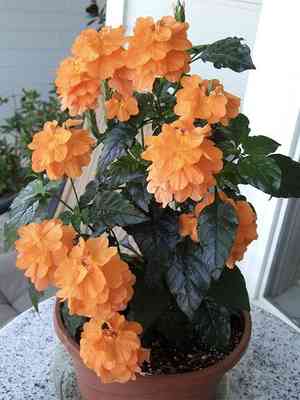
1
Ensure your Firecracker flower is watered prior to fertilizer application to prevent root damage.
2
Refrain from applying too much nitrogen-rich fertilizer, which promotes leaf growth at the expense of flowers.
3
Think about using a gradual-release fertilizer in early summer for a steady supply of nutrients over its growth cycle.
Deciphering the Nutritional Requirements of Firecracker flower
The Crucial Role of Macronutrients
Macronutrients like nitrogen (N), phosphorus (P), and potassium (K) are vital for the overall development and vitality of your Firecracker flower. Nitrogen is essential for vigorous leaf production, contributing to lush green foliage. Phosphorus aids in robust root growth and prolific flower formation, resulting in abundant blooms. Potassium enhances the plant's natural resistance to disease and facilitates water absorption, ensuring your Firecracker flower stays resilient and vibrant.
Key Micronutrients for Robust Growth
While macronutrients are important, micronutrients such as iron, magnesium, and manganese are equally significant, though required in smaller quantities. These trace elements serve specific purposes, including chlorophyll synthesis (magnesium) and boosting enzyme functions (manganese), which together optimize the plant's metabolic processes. An imbalance or shortage of these micronutrients can lead to stunted growth and reduced flower yields.
Selecting the Appropriate Fertilizer for Firecracker flower
Organic Versus Synthetic Fertilizers
Gardeners frequently debate the merits of organic versus synthetic fertilizers. Organic fertilizers, sourced from natural materials like compost, manure, or bone meal, release nutrients gradually and improve soil health over time. They are an excellent option for those prioritizing sustainable gardening. Conversely, synthetic fertilizers deliver a rapid nutrient boost but can sometimes cause nutrient runoff and soil degradation. Choose the type that aligns with your gardening objectives and your Firecracker flower's specific needs.
Recommended NPK Ratios
For the Firecracker flower, an ideal NPK ratio should be balanced, such as 10-10-10, or slightly higher in phosphorus, like 10-15-10, to encourage blooming. The first number signifies nitrogen, the second phosphorus, and the third potassium. This ensures your plant receives a comprehensive supply of nutrients for both foliage and flowers. The aim is to find a blend that promotes balanced growth without excessive foliage at the expense of blossoms.
Optimal Fertilization Practices for Firecracker flower
Seasonal Fertilization Guidelines
The best period to fertilize your Firecracker flower is during the summer months when it is actively growing and flowering. This timing ensures the plant can efficiently absorb and utilize nutrients for maximum development and bloom production. Avoid fertilizing in winter, as the plant's growth slows, which can lead to wasted nutrients or root damage.
How Frequently to Fertilize?
A general guideline is to fertilize your Firecracker flower every 4-6 weeks during its active growing season. Consistent application is vital for providing a steady nutrient supply. If using a slow-release formula, a single application at the beginning of summer may suffice. Observe your plant's reaction and adjust the frequency as needed.
Application Methods
When applying fertilizer, ensure the soil is damp to prevent root burn. Water the plant thoroughly both before and after fertilization. Adhere to the instructions on the fertilizer packaging for the correct dosage. Distribute the fertilizer uniformly around the plant's base, avoiding direct contact with stems or leaves. For liquid fertilizers, mix them according to directions and water the soil gently to allow nutrient penetration.
Resolving Common Fertilization Issues in Firecracker flower
Indicators of Excessive Fertilization
Over-fertilization can manifest as yellowed leaves, scorched root tips, and a white residue on the soil surface. If these signs appear, cease fertilizing and flush the soil with water to eliminate surplus salts. In the future, reduce the fertilizer dosage and consider switching to a gentler formulation if necessary.
Addressing Nutrient Deficiencies
Nutrient deficiencies often present as inhibited growth, faded leaves, or sparse blooming. For example, a nitrogen shortage results in yellowing older leaves, while insufficient phosphorus leads to poor flower development. Perform a soil test to pinpoint the missing nutrient and amend the soil accordingly. Introduce specific fertilizers targeting the deficient nutrients for a healthier plant.



