Optimal Fertilizer for Growing American hazelnut: What You Need to Know
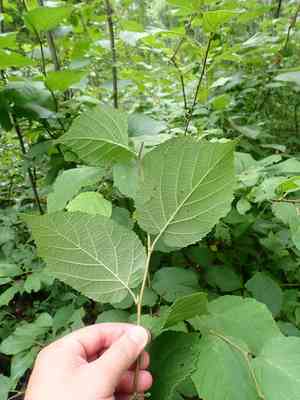
1
American hazelnut flourishes optimally with an even NPK (nitrogen, phosphorus, and potassium) blend of 10-10-10.
2
The perfect time to fertilize American hazelnut is in spring, aligning with its vigorous growth phase.
3
Foliage turning yellow may indicate that your American hazelnut lacks essential nutrients.
Understanding Fertilizer Needs of American hazelnut
Nutrient Requirements of American hazelnut
For robust development, American hazelnut necessitates a balanced intake of vital nutrients, including nitrogen, phosphorus, and potassium. Nitrogen promotes foliage growth, phosphorus aids in strong root formation and blooming, while potassium contributes to overall plant vigor and disease resistance. To guarantee sustained health, a soil analysis can be extremely useful in identifying particular nutrient demands and shortages.
Signs of Nutrient Deficiency in American hazelnut
It's vital to identify indicators of nutrient deficiencies in your American hazelnut. Common signs include yellowing leaves (chlorosis), stunted development, and poor fruit yield. For instance, if you observe that leaves are yellowing while veins stay green, it likely points to a nitrogen deficiency. Addressing these problems promptly with suitable fertilizer can significantly impact your plant's health and output.
Choosing the Right Fertilizer for American hazelnut
Organic vs. Chemical Fertilizers
When deciding between organic and synthetic fertilizers, each offers distinct advantages. Organic options, such as compost or aged manure, enhance soil structure and microbial activity in addition to providing nutrients. Chemical fertilizers, conversely, deliver nutrients in readily available forms and allow for precise nutrient management. For those seeking an eco-friendly method, organic fertilizers are often the preferred choice.
Recommended NPK Ratio for American hazelnut
The ideal NPK (nitrogen, phosphorus, potassium) ratio for American hazelnut is typically 10-10-10. This balanced blend supports all facets of the plant's growth, from roots to leaves to fruit production. Applying a fertilizer with this ratio ensures your hazelnut tree receives a comprehensive nutrient profile, fostering strong, healthy growth throughout its active season.
Best Practices for Fertilizing American hazelnut
How Often to Fertilize American hazelnut
For optimal development, it's generally advised to fertilize American hazelnut once annually, ideally in early spring. This timing coincides with the plant's active growth phase, ensuring it has the necessary nutrients precisely when they are most needed. Over-fertilization can harm the plant, so adhering to a yearly schedule is best unless a soil test indicates otherwise.
Effective Techniques for Applying Fertilizer
Correct fertilizer application is crucial for maximizing its benefits. Start by evenly spreading the fertilizer around the plant's base, avoiding direct contact with the trunk. This can be achieved by distributing the fertilizer in a circle extending to the tree's drip line. After application, thoroughly water the area to help nutrients penetrate the soil. This method ensures the plant has easy access to the required nutrients.
Seasonal Fertilization Tips
Spring is the prime season for fertilizing American hazelnut. During this period, the plant emerges from dormancy and requires a nutrient boost to support new growth. However, in regions with particularly long growing seasons, a light second application in early autumn can also be beneficial. Be careful not to fertilize too late in the season, as this can stimulate new growth vulnerable to early frosts.
Monitoring American hazelnut After Fertilization
Observing Growth and Health Post-Fertilization
After fertilizing, closely observe your American hazelnut to gauge its reaction. Look for indications of vigorous growth, vibrant leaf coloration, and increased fruit yield. Regular observation helps you determine if the fertilization was effective or if further interventions are necessary.
Adjusting Fertilization Based on Plant Response
If you notice your American hazelnut isn't responding as anticipated, consider modifying your fertilization strategy. This might involve altering the type or quantity of fertilizer, or addressing other factors like soil pH and watering habits. Customizing your fertilization approach based on the plant's reaction ensures you meet its specific requirements, promoting long-term health and productivity.



