Optimal Fertilizer for Growing Pampas grass: What You Need to Know
1
Ensure thorough watering of your Pampas grass immediately following fertilizer application to avoid damaging the roots.
2
To achieve optimal outcomes, apply a general-purpose 10-10-10 feed during the active growth period.
3
Applying nutrients to Pampas grass in the early spring promotes strong development all season long.
Deciphering the Nutritional Requirements of Pampas Grass
Crucial Nutrients for Thriving Pampas Grass
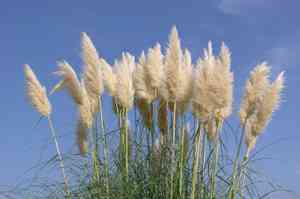
Pampas grass, prized for its impressive plumes and resilient nature, flourishes when supplied with vital nutrients. These include nitrogen, which promotes abundant green foliage; phosphorus for robust root formation; and potassium to bolster overall plant vitality. Balanced feeding guarantees the grass sustains its growth strength and characteristic look. Grasping these specific nutritional details can greatly assist in cultivating a strong and visually appealing landscape feature.
Indicators of Nutrient Deficiency in Pampas Grass
Even hardy Pampas grass can exhibit signs of nutrient scarcity. Yellowing leaves frequently signal a nitrogen deficit, while stunted development and poor vigor might point to a phosphorus shortfall. Brown tips on leaves could indicate a lack of available potassium. Identifying these symptoms early allows for prompt correction, safeguarding the health and allure of your Pampas grass.
Selecting the Appropriate Fertilizer for Pampas Grass
Fertilizer Types Suitable for Pampas Grass
Choosing the correct fertilizer is crucial for Pampas grass. A balanced fertilizer containing equal proportions of nitrogen, phosphorus, and potassium (10-10-10) is highly recommended. This provides comprehensive nourishment that supports all aspects of the plant’s development. Furthermore, slow-release fertilizers are advantageous as they deliver a consistent supply of nutrients over time, minimizing the risk of excessive fertilization and nutrient burn.
Organic Versus Synthetic Fertilizers for Pampas Grass
The choice between organic and synthetic fertilizers can influence your Pampas grass. Organic fertilizers, such as compost and manure, gradually release nutrients and enhance soil health over time. Synthetic fertilizers, conversely, offer precise nutrient ratios and immediate availability to plants. Each type has its advantages: organics contribute to long-term soil wellness, whereas synthetics deliver rapid results. Based on your gardening philosophy and requirements, you can make your selection.
Optimal Practices for Fertilizing Pampas Grass
Recommended Fertilization Schedule for Pampas Grass
Fertilizing regularity is key to maintaining vibrant Pampas grass. Ideally, apply fertilizer once in early spring to initiate the growth season. A second application can be beneficial in mid-summer to support continuous growth and plume development. However, avoid late-season fertilization to allow plants to prepare for winter.
A Step-by-Step Guide to Fertilizing Pampas Grass
Applying fertilizer to Pampas grass can be straightforward if done correctly. Here’s a detailed procedure:Begin in early spring when new growth starts to emerge.Measure the recommended quantity of fertilizer (typically a 10-10-10 ratio).Distribute the fertilizer evenly around the plant’s base, ensuring it covers an area at least 30 centimeters (1 foot) from the main stem.Gently rake the soil surface to mix in the fertilizer.Thoroughly water the area to aid in dissolving the fertilizer and prevent root damage.Observe the grass over the subsequent weeks for signs of vigorous growth.
Assessing the Impact of Fertilization on Pampas Grass
Monitoring Growth and Vigor Post-Fertilization
Following fertilization, closely observe the development of your Pampas grass. Healthy plants typically exhibit swift growth, deep green foliage, and robust plumes. If the plant’s reaction is slow or shows negative effects, re-evaluate your fertilization routine. Consistent monitoring ensures that any problems are promptly addressed, preserving the plant’s vitality.
Modifying Fertilization Techniques Based on Plant Response
Flexibility is crucial when fertilizing Pampas grass. If you observe signs of over-fertilization, such as scorched leaf tips, reduce the fertilizer amount next time. Conversely, if growth is underwhelming, a slight increase might be necessary. Soil analyses can provide exact nutrient requirements, facilitating more informed adjustments. Periodically refining your approach ensures that your Pampas grass receives the ideal nutrient balance for peak growth.



