Optimal Fertilizer for Growing Whorled tickseed: What You Need to Know
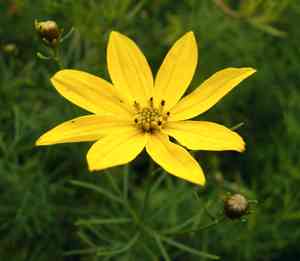
1
Begin with a balanced fertilizer at half its recommended strength, then slowly raise the amount if necessary.
2
Coreopsis verticillata thrives in soil that drains well to avoid root decay; steer clear of dense clay substrates.
3
Adding mulch around the base of the plant aids in moisture retention and supplies extra nourishment.
Grasping Whorled Tickseed's Fertilization Requirements
Nutrient Demands for Robust Development
For Whorled tickseed, comprehending its nutritional needs is vital for vigorous growth. This plant flourishes in fertile soil but demands less upkeep than other perennials. Key nutrients include nitrogen (N), phosphorus (P), and potassium (K), often known as N-P-K. These elements support lush foliage, strong root systems, and vibrant blooms, respectively. A balanced, slow-release fertilizer is typically best. Always ensure the soil pH is slightly acidic to neutral, ranging from 6.0 to 7.0.
Indicators of Nutrient Shortage in Whorled Tickseed
Recognizing nutrient deficiencies in Whorled tickseed allows for prompt intervention. Common signs include yellowing leaves, stunted development, and poor flowering. Yellow foliage often signals a nitrogen deficit, while weak stems and dull blossoms can point to a phosphorus or potassium shortage. Observe your plants throughout the growing season and consider a soil analysis if you suspect nutrient imbalances.
Selecting the Appropriate Fertilizer for Whorled Tickseed
Organic vs. Synthetic: Which Option is Superior?
When choosing between organic and synthetic fertilizers for Whorled tickseed, both have advantages. Organic fertilizers, such as compost, manure, or bone meal, enhance soil structure and slowly release nutrients. They are environmentally friendly and promote soil health by fostering beneficial microbes. Conversely, synthetic fertilizers offer immediate nutrients and can be precisely formulated for specific needs. While synthetic options yield quicker results, they can cause nutrient runoff and require careful application to prevent over-fertilization.
Essential Components to Seek Out
When choosing a fertilizer for Whorled tickseed, prioritize products with a balanced N-P-K ratio, such as 10-10-10 or 14-14-14 formulations. Additionally, look for trace elements like magnesium, calcium, and sulfur, which support overall plant vitality. Slow-release formulations are especially beneficial as they provide a consistent nutrient supply over time, reducing the risk of nutrient burn and minimizing maintenance.
Timing of Fertilization for Whorled Tickseed
Optimal Periods for Fertilizer Application
The best time to fertilize Whorled tickseed is in Spring, as new growth emerges. This is when the plant actively absorbs nutrients to fuel its development and flowering. Fertilizing in early Spring helps establish a strong foundation for the entire growing season. Avoid fertilizing in late Fall or Winter, as the plant is dormant and won't utilize the nutrients, leading to potential waste and nutrient runoff.
How Frequently Should Fertilizer Be Applied?
Whorled tickseed generally benefits from a single application of a slow-release fertilizer in the Spring. For regions with extended growing seasons or particularly poor soil, a second, lighter application in mid-summer might be considered. Always adhere to the manufacturer's instructions and monitor the plant's response, adjusting frequency and dosage as needed.
Methods for Applying Fertilizer to Whorled Tickseed
Step-by-Step Application Procedures
Applying fertilizer to Whorled tickseed is straightforward. Begin by thoroughly moistening the soil around the plant. Measure the recommended fertilizer amount, typically based on plant size or soil area. Distribute the fertilizer evenly around the plant's base, avoiding direct contact with stems or leaves. Gently work the granules into the topsoil with a hand rake or garden fork. Finally, water the area again to help the fertilizer penetrate the soil and reach the root zone effectively.
Common Errors to Avoid
Steer clear of common fertilization mistakes to ensure the health of your Whorled tickseed. Excessive fertilization can cause nutrient burn, evidenced by brown leaf tips and edges. Insufficient fertilization, however, can result in weak, underperforming plants. Ensure even distribution to prevent nutrient concentrations in one spot. Lastly, avoid fertilizing dry soil, as this can lead to plant stress and root damage; always water before and after applying fertilizer.
Monitoring and Adjusting Fertilization Practices
Assessing Plant Health and Development
Regularly observe the health and growth of your Whorled tickseed. Healthy plants should exhibit vibrant green leaves, sturdy stems, and abundant blooms. Periodic checks will help you detect early signs of nutrient deficiencies or excesses. Soil tests can be particularly insightful, providing data on nutrient levels and pH balance. Documenting your observations in a gardening journal can also help track the plant's response to fertilization over time.
Adjustments Based on Observations
Based on your observations, you may need to modify your fertilization practices. If you notice vigorous growth but few flowers, consider switching to a fertilizer with higher phosphorus content. Conversely, if leaves are pale or yellow, an increase in nitrogen may be beneficial. For persistent issues, consult with a local extension service or garden center expert. Their insights can be invaluable in creating a tailored fertilization plan that meets the specific needs of your Whorled tickseed.



