Optimal Fertilizer for Growing Ti plant: What You Need to Know
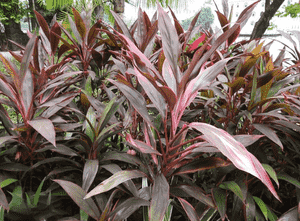
1
Spot nutrient shortages in your Ti plant promptly by observing yellowing foliage or inhibited development.
2
To ensure peak growth, apply a comprehensive fertilizer containing equivalent amounts of nitrogen, phosphorus, and potassium.
3
Nourish your Ti plant monthly to bimonthly throughout the summer season for optimal outcomes.
Understanding the Nutritional Requirements of Ti Plants
The Importance of Nutrients for Ti Plant Vitality
Nutritional elements are crucial for the overall health and vigor of your Ti plant. Essential compounds like nitrogen, phosphorus, and potassium support various biological processes, including the development of leaves and roots, energy metabolism, and defense against diseases. Nitrogen promotes lush green foliage, phosphorus aids in robust root formation, and potassium enhances the plant's resilience to stress and illnesses. A lack of these vital nutrients can result in stunted growth and increased vulnerability to pests.
Indicators of Nutritional Shortage in Ti Plants
Early detection of nutrient deficiencies can protect your Ti plant from severe harm. Typical symptoms include the yellowing of leaves, particularly older ones, which often signals a lack of nitrogen. A phosphorus deficit can cause dark, dull leaves and inhibited root development, while potassium deficiency might manifest as browning or scorching along the leaf edges. Regularly inspecting your plant for these signs and promptly addressing any issues ensures optimal growth.
Optimal Fertilizer Types for Ti Plants
Natural vs. Chemical Fertilizers
The choice between natural and chemical fertilizers depends on your gardening philosophy and preferences. Organic fertilizers, such as compost or fish emulsion, gradually release nutrients and enhance soil structure over time. They are environmentally friendly and reduce the risk of chemical runoff. In contrast, synthetic fertilizers deliver an immediate nutrient boost and are generally simpler to measure and apply. However, they can contribute to soil degradation over time if not used judiciously.
Specific Nutrient Blends for Ti Plants
For the Ti plant, a balanced formula with equivalent amounts of nitrogen (N), phosphorus (P), and potassium (K), commonly known as N-P-K 10-10-10, is recommended. This balanced approach ensures your plant receives comprehensive nourishment. Additionally, consider utilizing a slow-release fertilizer, which lessens the frequency of applications and provides a consistent supply of nutrients.
Ideal Fertilizing Regimen for Ti Plants
Seasonal Factors in Fertilizing Ti Plants
Summer is the prime season to fertilize your Ti plant, as it is actively growing during this time and can best absorb nutrients. During the warmer months, aim to fertilize every 4-6 weeks. Exercise caution in cooler months—excessive fertilization during this period can harm the plant due to its slowed growth rate.
Modifying Fertilization Based on Plant Development and Condition
Closely observe your Ti plant's growth and overall health. If you notice vigorous growth and vibrant green leaves, your current fertilization routine is likely sufficient. Should you observe signs of over-fertilization, such as leaf burn or salt deposits on the soil, reduce the frequency or quantity. Conversely, indicators of nutrient deficiency may suggest the need for more frequent or more potent feedings.
Applying Fertilizer to Your Ti Plant
A Step-by-Step Guide to Fertilizing Ti Plants
Measure the fertilizer according to the product's instructions.Ensure the soil is damp prior to application to prevent root scorching.Distribute the fertilizer evenly around the plant's base, avoiding direct contact with the stem.Thoroughly water the plant after fertilizing to help nutrients seep into the soil.Repeat this process every 4-6 weeks during the active growth period.
Common Errors to Avoid When Fertilizing Ti Plants
Excessive fertilization: This can lead to nutrient burn and root damage. Always adhere to the recommended dosage.Fertilizing dry soil: Ensuring the soil is moist before application prevents root scorching.Inconsistent fertilization schedule: Regularity is essential. Stick to a consistent schedule for optimal results.Neglecting plant requirements: Adjust your fertilization based on the plant's developmental stage and health status.



