Optimal Fertilizer for Growing Cabbage tree: What You Need to Know
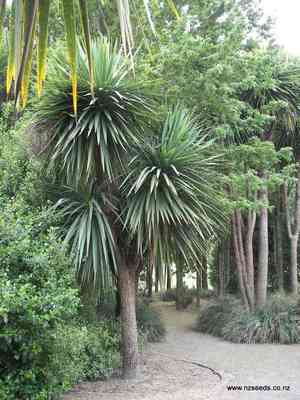
1
Though the Cabbage tree adapts to diverse soil conditions, it flourishes most in aerated soil abundant in organic material.
2
Excessive fertilization may result in root damage and inhibited development. Always adhere to the suggested amount on the product label.
3
This plant favors an even NPK balance, such as 10-10-10, particularly during its summer growth phase.
Deciphering the Dietary Requirements of Cabbage Tree
Crucial Nutrients Needed by Cabbage Tree
The Cabbage tree, a beautiful and robust plant, needs a balanced array of nutrients to flourish. Key nutrients include nitrogen (N), essential for leaf development; phosphorus (P), which supports root formation and bloom production; and potassium (K), vital for overall plant wellness and disease resistance. Macronutrients like calcium, magnesium, and sulfur also contribute significantly to the Cabbage tree's health and vitality.
How Nutrient Demands Shift Seasonally
As seasons progress, so do the Cabbage tree's nutrient demands. During the active growing period in summer, the plant requires more nutrients, especially nitrogen, to fuel its rapid expansion. Conversely, during the dormant winter months, less nutrition is needed, and it's important to reduce feeding to avoid nutrient burn and stress. Adjusting your feeding schedule seasonally ensures your Cabbage tree remains robust all year.
Indicators of Nutrient Scarcity in Cabbage Tree
Spotting nutrient deficiencies early can greatly impact your Cabbage tree's health and appearance. Common indicators include yellowed foliage (suggesting nitrogen deficiency), wilting or brittle leaves (a sign of potassium shortage), and stunted development (potentially indicating a lack of phosphorus). Recognizing these signs allows for prompt action to enrich the soil with the necessary elements.
Selecting the Appropriate Fertilizer for Cabbage Tree
Advantages of Organic Versus Synthetic Fertilizers
Choosing between organic and synthetic fertilizers for your Cabbage tree can profoundly affect its health and growth. Organic options, such as compost, manure, or bone meal, offer a gradual release of nutrients and enhance soil quality over time. They are eco-friendly and foster beneficial soil microbiology. Synthetic fertilizers, however, provide immediate nutrient access and are easier to apply. Yet, they can lead to nutrient accumulation and potential harm if misused. Understanding each type's benefits and drawbacks helps you make the best choice for your Cabbage tree.
Recommended NPK Balance for Cabbage Tree
For optimal development, the Cabbage tree thrives with a balanced NPK ratio, specifically a 10-10-10 mix. This ratio guarantees an equal supply of nitrogen, phosphorus, and potassium, promoting healthy foliage, strong root systems, and overall plant vigor. During the summer growth period, this balanced blend supports the plant's elevated nutritional needs, ensuring lush and robust growth.
Optimal Practices for Fertilizing Cabbage Tree
Frequency of Fertilizing Cabbage Tree
The regularity of fertilization can affect your Cabbage tree's growth and well-being. During the active growth phase in summer, feed the plant every 4-6 weeks. This consistent feeding schedule helps meet its increased nutritional demands. As growth slows in colder months, decrease the frequency to prevent over-fertilization, which can cause root damage and nutrient buildup in the soil.
Ideal Time of Day for Fertilization
Timing your fertilizer application is crucial for maximizing its effectiveness. The best time to fertilize your Cabbage tree is in the early morning or late afternoon. This avoids the intense midday sun, which can cause fertilizer evaporation or plant scorching. Applying fertilizer during these cooler periods ensures your plant absorbs nutrients efficiently without undue stress.
Applying Fertilizer: Step-by-Step Instructions
Fertilizing your Cabbage tree involves a few straightforward steps to ensure proper absorption and plant vitality:Moisten the Plant:Ensure the soil is damp before applying fertilizer to prevent root burn.Measure the Product:Adhere to the dosage instructions on the fertilizer packaging.Disperse Evenly:Sprinkle the fertilizer around the plant's base, avoiding direct contact with the trunk.Mix into Soil:Gently rake or lightly blend the fertilizer into the topsoil layer.Re-water:Water the plant thoroughly after application to help it settle into the soil and reach the roots.
Post-Fertilization Monitoring of Your Cabbage Tree
Observing Plant Response and Adjusting Care
After feeding, carefully watch your Cabbage tree for signs of its reaction. Look for indicators such as abundant, verdant growth, sturdier stems, and general plant vitality. If you notice yellowing leaves or scorched leaf edges, it might suggest over-fertilization, prompting you to modify the fertilizer quantity or frequency. Consistent observation helps maintain plant health and allows for timely adjustments to its care routine.
When to Expect Noticeable Growth Improvements
Apparent enhancements in your Cabbage tree's growth can typically be observed within a few weeks of fertilization, especially during the active summer growth period. New, healthy leaves, stronger stems, and an overall surge in vigor are positive signs that the feeding is working. Patience and diligent care, including correct fertilization, will result in a thriving and attractive Cabbage tree over time.



