Optimal Fertilizer for Growing Common coleus: What You Need to Know
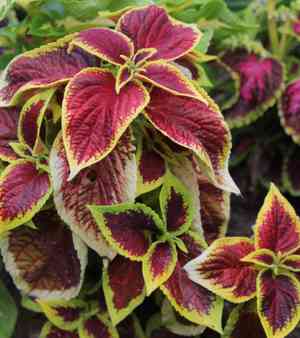
1
Nourishing Common coleus in the warmer months promotes peak nutrient absorption and vivid leaf coloration.
2
Common coleus thrives with a well-rounded plant food, ideally with an N-P-K balance of 10-10-10 or 20-20-20.
3
Excessive feeding can cause nutrient damage, thus always follow suggested instructions.
Understanding the Nutritional Needs of Common coleus
Essential Nutrients for Common coleus
Similar to many blooming plants, Common coleus requires a variety of vital nutrients to flourish. These encompass macronutrients like Nitrogen (N), Phosphorus (P), and Potassium (K) â frequently known as N-P-K. Nitrogen promotes abundant, green foliage, Phosphorus aids strong root growth and flowering, and Potassium assists in overall plant vigor and disease resistance. Additionally, Common coleus benefits from micronutrients such as calcium, magnesium, and iron, which are critical for maintaining vivid colors and robust development. Ensuring a balanced fertilizer meets these requirements will help your coleus thrive.
Signs of Nutrient Deficiencies in Common coleus
Identifying indicators of nutrient shortages in your Common coleus is vital for prompt action. Typical symptoms of nutrient deficiency include yellowing leaves, stunted development, and poor coloration. For instance, if your coleus displays pale leaves with green veins, it could be suffering from an iron deficiency. Conversely, a lack of nitrogen usually results in general yellowing beginning from the lower leaves. Recognizing and quickly addressing these signs can prevent lasting harm and maintain a healthy, vibrant plant.
Choosing the Right Fertilizer for Common coleus
Types of Fertilizers Suitable for Common coleus
Common coleus generally thrives with well-balanced fertilizers. Seek out products with equal proportions of N-P-K, such as 10-10-10 or 20-20-20 formulations. These balanced fertilizers provide a mix of essential nutrients needed for healthy growth. Liquid fertilizers are often preferred for coleus as they are easily absorbed. Granular formulations can also be utilized but should be thoroughly mixed with the soil to prevent root burn. Specialized fertilizers containing additional micronutrients like calcium, magnesium, and iron can also be beneficial for preserving leaf vibrancy.
Organic vs. Synthetic Fertilizers: What's Best for Common coleus?
When selecting between organic and synthetic fertilizers for Common coleus, it's important to consider the pros and cons. Organic fertilizers, such as compost and fish emulsion, release nutrients gradually and enhance soil health over time. However, their nutrient content can be less predictable. Synthetic fertilizers offer immediate nutrient availability and precise nutrient ratios, making them an excellent choice for targeted feeding. Nevertheless, they carry the risk of nutrient burn if applied excessively. Ultimately, the decision depends on your gardening practices and the condition of your coleus.
How to Properly Apply Fertilizer to Common coleus
Step-by-Step Fertilization Technique
Properly fertilizing your Common coleus involves several key steps to ensure nutrients are effectively absorbed. Follow this step-by-step guide:Water your plant thoroughly a few hours before fertilizing to prevent root burn.Dilute the fertilizer according to the manufacturer's instructions, ensuring the correct concentration.Apply the fertilizer evenly around the plant's base, avoiding direct contact with the leaves.Gently work the fertilizer into the topsoil with a cultivator or your fingers.Water again lightly to help the nutrients penetrate the root zone. By following these steps, you will ensure your plant receives the necessary nutrients without the risk of over-fertilization.
Frequency and Timing of Fertilization
Common coleus should be fertilized regularly throughout its active growth period, especially during summer. A bi-weekly schedule with a balanced liquid fertilizer is generally effective. However, observe the plant's reaction and adjust the frequency if needed. Over-fertilizing can lead to nutrient burn, indicated by brown leaf edges and wilting, so it's crucial not to overdo it. The optimal time to fertilize is during early morning or late afternoon when temperatures are cooler, reducing the risk of evaporation and nutrient loss.
Monitoring and Adjusting Fertilization Practices
Assessing the Impact of Fertilization on Common coleus
It's crucial to observe your Common coleus after fertilization to evaluate its effects. Healthy responses include vividly colored leaves, vigorous growth, and increased foliage. However, watch for negative signs such as yellowing leaves, which might indicate nutrient imbalance or over-fertilization. Regularly check soil moisture and ensure appropriate watering practices are followed. Maintaining a record of your fertilizing schedule and plant responses can also assist in making informed decisions.
When to Reduce or Increase Fertilization
Determining when to modify your fertilization practices is vital for the health of your Common coleus. If you notice signs of nutrient excess, such as leaf burn or wilted leaves, it's time to decrease fertilization. Conversely, if growth appears sluggish or leaves lose their vibrant color, it might be necessary to slightly increase fertilization. Seasonal changes can also necessitate adjustments; reduce feeding in cooler months when the plant's growth slows down. Regularly assessing plant health and soil conditions will guide your decisions on when to tweak your fertilization regimen.



