Optimal Fertilizer for Growing Garden croton: What You Need to Know
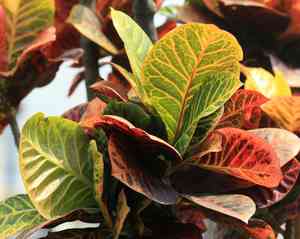
1
To encourage bright leaves, feed your Garden croton a balanced fertilizer during the summer season.
2
Refrain from fertilizing Garden croton in winter when it's dormant to avoid harming the roots.
3
Pre-watering the plant before applying fertilizer assists with nutrient uptake and protects roots from harm.
Deciphering Garden Croton's Fertilization Requirements
Vital Nutrients for Garden Croton
For optimal growth, Garden Croton needs various key nutrients. Essential components include nitrogen (N), phosphorus (P), and potassium (K), often known as N-P-K. Nitrogen encourages dense, vivid foliage, while phosphorus aids robust root development and blooming. Potassium is crucial for overall plant vitality and disease resistance. Garden Croton also benefits from trace elements such as calcium, magnesium, and iron.
Indicators of Nutrient Scarcity
Recognizing signs of nutrient deficiencies in Garden Croton can help resolve issues before they worsen. Typical symptoms include leaf yellowing, stunted development, and foliage drop. For instance, insufficient nitrogen often leads to pale, yellowing leaves, whereas a phosphorus shortage might result in darker green or purplish tints and poor root health. Correcting these deficiencies with suitable fertilizer can revitalize your plant.
Selecting Appropriate Fertilizer for Garden Croton
Fertilizer Varieties Suitable for Garden Croton
Choosing the correct fertilizer is vital for maintaining the health and vibrancy of your Garden Croton. Balanced formulas like a 10-10-10 or 20-20-20 are generally appropriate. These figures denote the ratio of nitrogen, phosphorus, and potassium. It's also beneficial to seek out fertilizers containing trace elements like calcium, magnesium, and iron, which support overall plant wellness.
Organic Versus Synthetic Nutrients
When deciding between organic and synthetic fertilizers, consider your Garden Croton's needs. Organic options, such as compost or manure, release nutrients gradually and enhance soil structure. This supports long-term plant health, although visible results may take longer. Synthetic fertilizers, conversely, offer an immediate nutrient boost and are easier to apply precisely. They are ideal for quick solutions but do not improve soil quality over time.
Optimal Fertilizing Practices for Garden Croton
When to Administer Fertilizer to Garden Croton
Garden Croton should ideally receive fertilizer during its active growth phase, from late spring through summer. Fertilizing at this time promotes vigorous growth and the development of its bright, variegated leaves. Avoid fertilizing in the winter months when the plant is inactive, as this can damage roots and lead to poor development.
Appropriate Fertilizer Quantity
Applying the correct amount of fertilizer is crucial to prevent over-fertilization. A good guideline is to use half the strength recommended on the fertilizer packaging, to avoid burning the plant's roots. Typically, a liquid fertilizer mixed according to instructions should be applied every four weeks during the growing season. Remember to thoroughly water your Garden Croton before and after fertilizing to aid nutrient absorption and prevent root harm.
Addressing Fertilization Problems in Garden Croton
Common Fertilization Errors
A frequent error is excessive fertilization, which can cause nutrient burn and harm the root system. Always adhere to the recommended dosages and avoid the belief that 'more is better.' Another mistake is applying fertilizer to dry soil, which can lead to root damage. Always ensure the soil is moist before application.
Rectifying Over-fertilization
If you suspect your Garden Croton has been over-fertilized, swift action is essential. First, drench the soil with ample water to help flush away excess nutrients from the roots. Water the plant thoroughly and confirm proper drainage. You may also need to repot the plant in fresh soil if symptoms persist.



