Optimal Fertilizer for Growing Devil's darning needles: What You Need to Know
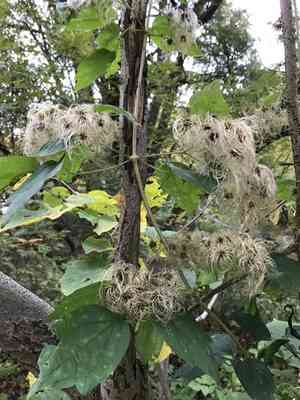
1
Fertilize Devil's darning needles during springtime to encourage strong development and flowering.
2
Nitrogen, phosphorus, and potassium are vital elements necessary for the proper development of Devil's darning needles.
3
Refrain from excessive fertilization of your Devil's darning needles, as an abundance of fertilizer can lead to root damage and other issues.
Grasping the Nutritional Requirements of Devil's darning needles
Key Nutrients for Robust Development
To guarantee the vibrant and strong development of Devil's darning needles, comprehending their nutritional demands is vital. Nitrogen (N) fosters leaf production, phosphorus (P) aids root and bloom formation, and potassium (K) boosts overall plant vitality. Furthermore, secondary elements like calcium, magnesium, and sulfur, alongside trace minerals such as iron and zinc, contribute minor yet crucial roles in sustaining plant wellness.
Indicators of Nutrient Shortage
Recognizing indicators of nutrient scarcity can facilitate early corrective actions. Typical symptoms include yellowing foliage, stunted development, poor blooming, and a general decline in plant vigor. Specific deficiencies might manifest as purple leaves (phosphorus), yellowing older leaves (nitrogen), or scorched leaf edges (potassium). Identifying and rectifying these shortages through suitable fertilization can revitalize the plant's health and growth.
Selecting the Appropriate Fertilizer for Devil's darning needles
Fertilizer Varieties: Natural vs Synthetic
When choosing a fertilizer for Devil's darning needles, you have the option of organic or synthetic choices. Organic fertilizers, such as compost, manure, and bone meal, release nutrients gradually and enhance soil quality over time. Synthetic fertilizers, like granular or liquid forms, provide immediate nutrient access. While synthetic options can yield quick outcomes, organic alternatives are often superior for long-term soil and plant well-being.
Optimal Practices for Fertilizer Application
Applying fertilizer correctly ensures that Devil's darning needles receive the necessary nutrients without the danger of over-fertilization. Adhere to these best practices:Measure the suggested quantity of fertilizer according to the product instructions.Apply the fertilizer around the root area, avoiding direct contact with the stem to prevent burning.Water the plants thoroughly after fertilizing to help nutrients permeate the soil and reach the roots.Repeat the fertilization process based on the plant's growth cycle and the type of fertilizer utilized.
When to Fertilize Devil's darning needles
Ideal Fertilization Schedule
The prime time to fertilize Devil's darning needles is in the spring when the plant is preparing for new growth. Start fertilizing as soon as the snow melts and the soil temperature rises. This timing ensures the plant receives essential nutrients during its active growth phase, promoting lush foliage and abundant blooms.
Adjusting Fertilization Based on Plant Condition and Season
Modify fertilization practices according to the plant's health and seasonal shifts. During mid-summer, a light application of balanced fertilizer can sustain growth. However, reduce or cease fertilization in late summer and fall, allowing the plant to toughen up before winter dormancy. Always observe the plant for signs of nutrient deficiency or excess, making adjustments as needed to maintain optimal growth and health.
Common Errors to Avoid When Fertilizing Devil's darning needles
Excessive Fertilization: Dangers and Outcomes
Over-fertilization can harm Devil's darning needles, leading to root burn, leaf scorching, and potential plant demise. High nutrient levels can also cause an imbalance in soil conditions, hindering the plant's ability to absorb other vital nutrients. To prevent these risks, always adhere to recommended fertilizer dosages and schedules.
Disregarding Soil pH and Its Effect on Nutrient Availability
Soil pH plays a crucial role in nutrient accessibility. Devil's darning needles prefer a slightly acidic to neutral soil pH (between 6.0 and 7.5). If the soil is too acidic or alkaline, certain nutrients may become unavailable to the plant, resulting in deficiencies despite proper fertilization. Regularly test your soil pH and amend it as necessary to maintain an ideal growing environment.



