Optimal Fertilizer for Growing Garden mum: What You Need to Know
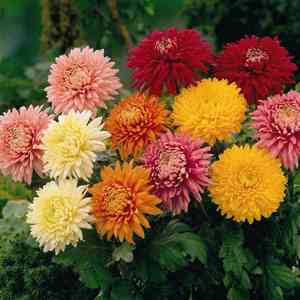
1
Garden mums thrive with a balanced nutrient solution comprising equal proportions of nitrogen, phosphorus, and potassium.
2
Always irrigate your Garden mums prior to fertilizer application to avoid chemical burn.
3
Keep an eye on your garden soil's pH level; for Garden mums, it should optimally range from 6.5 to 7.0.
Understanding the Nutritional Needs of Garden mum
Essential Nutrients for Garden mum
Garden mums require vital nutrients like nitrogen (N), phosphorus (P), and potassium (K), commonly known as N-P-K. Nitrogen supports lush leaf development, phosphorus aids in root growth and flower production, and potassium boosts overall plant resilience and stress tolerance. A balanced fertilizer, such as a 10-10-10 or 20-20-20 blend, is typically optimal for garden mums, supplying these crucial elements in equal proportions.
Signs of Nutrient Deficiencies
Identifying nutrient deficiencies in your Garden mums is key to their proper care. Yellowing foliage can signal a lack of nitrogen, while insufficient phosphorus often leads to poor blossoming and stunted development. If your plant appears weak or exhibits diminished disease resistance, it might be low in potassium. Correcting these deficiencies with appropriate fertilizers can help restore your plants to health.
Choosing the Right Fertilizer for Garden mum
Types of Fertilizers Suitable for Garden mum
Several fertilizer varieties are appropriate for Garden mums, including granular, liquid, and extended-release options. Granular fertilizers are simple to apply and deliver steady nutrients over time. Liquid fertilizers offer rapid absorption, beneficial for quick nutrient uptake. Slow-release fertilizers gradually provide nutrients over an extended period, reducing the need for frequent applications.
Organic vs. Synthetic Fertilizers
Both natural and artificial fertilizers offer advantages. Organic fertilizers, derived from natural sources like compost or bone meal, enhance soil health and provide a consistent nutrient release. They are eco-friendly and improve soil structure. Synthetic fertilizers, conversely, offer precise nutrient concentrations and are easier to measure and apply. They deliver nutrients quickly, but overuse can harm the soil's microbial community. Selecting a type that aligns with your gardening practices and environmental concerns is crucial.
Best Practices for Fertilizing Garden mum
When to Fertilize Garden mum
Spring is the best time to fertilize Garden mums. Start feeding your plants as new growth emerges, typically in early spring. This timing ensures that the Garden mums efficiently use the nutrients during their most active growth phase. Fertilize monthly until mid-summer, then cease to allow the plant to prepare for its blooming period.
How to Apply Fertilizer
Correct fertilizer application is vital for the well-being of your Garden mums. Follow these steps: 1. Thoroughly water the plant before applying to prevent nutrient burn. 2. Measure the recommended fertilizer amount according to the package instructions. 3. Spread granular fertilizers evenly around the plant's base, avoiding direct contact with stems. For liquid fertilizers, mix with water as directed and apply uniformly. 4. Lightly scuff the soil surface to integrate the fertilizer and water the plant again to help nutrients reach the roots.
Monitoring Fertilizer Effectiveness
After fertilizing, it's important to observe your Garden mums to confirm a positive response. Look for indications of robust, healthy growth, such as vibrant green foliage and increased bud formation. Regularly check for any new yellowing leaves or other signs of distress, which might suggest a need to adjust your fertilization routine. Routine soil tests can also provide insights into nutrient levels and help customize future fertilization practices.
Frequently Asked Questions When Fertilizing Garden mum
How Often Should I Fertilize My Garden mum?
Fertilizing frequency varies based on the fertilizer type used. Generally, Garden mums benefit from monthly feeding during their spring and early summer growing season. If using slow-release fertilizers, you might only need to apply them once or twice per season. Always adhere to the instructions on the fertilizer package for optimal outcomes.
Can Over-fertilization Damage Garden mum?
Indeed, over-fertilization can harm Garden mums. Excess fertilizer can cause nutrient burn, evidenced by browning leaf edges and tips. It can also promote excessive foliage growth at the expense of flowering and increase the plant's susceptibility to disease. It's crucial to apply the recommended amount and resist the urge to use more, believing it will yield superior results.



