Optimal Fertilizer for Growing Bamboo palm: What You Need to Know
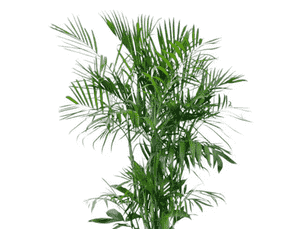
1
Bamboo palms flourish in organically rich, well-draining soil.
2
Excessive fertilization may cause leaf scorching and damage your Bamboo palm.
3
Consistent observation of your plant's condition allows for fertilization adjustments.
Grasping the Nutritional Requirements of Bamboo Palm
Key Nutrients Essential for Bamboo Palm
The Bamboo palm thrives on a balanced intake of vital nutrients. Nitrogen is crucial for lush, green foliage. Phosphorus aids in root development and supports the plant during its blooming phase. Potassium contributes to overall plant well-being by assisting in water regulation and disease resistance. Furthermore, trace elements like magnesium, iron, and manganese are beneficial in small quantities for robust development. A lack of any of these nutrients can impact the vitality and growth rate of your Bamboo palm.
Indicators of Nutrient Deficiencies in Bamboo Palm
Early detection of nutritional deficiencies can prevent severe health issues for your Bamboo palm. Yellowing leaves might signal a nitrogen shortage, while stunted growth and dark foliage could point to a phosphorus deficit. Brown leaf tips may suggest insufficient potassium. Iron deficiency often manifests as yellowing between leaf veins, and magnesium deficiency appears as yellow patches on older leaves. Observing these signs promptly allows for timely adjustments to your fertilization regimen.
Selecting the Appropriate Fertilizer for Bamboo Palm
Fertilizer Varieties: Natural vs. Synthetic
The choice between natural and synthetic fertilizers depends on your gardening philosophy and the Bamboo palm's specific needs. Organic fertilizers, such as compost and fish emulsion, enhance soil structure and introduce beneficial microorganisms. They release nutrients gradually, minimizing the risk of over-fertilization. Synthetic fertilizers offer precise nutrient ratios and rapid nutrient availability. However, they lack soil-improving qualities and can lead to salt accumulation over time. For Bamboo palm, a balanced approach combining both types can yield optimal results.
Optimal Practices for Fertilizer Application
To ensure effective fertilization, adhere to these guidelines: Always consult the fertilizer label for instructions. Hydrate your Bamboo palm before applying fertilizer to prevent root burn. Distribute the fertilizer evenly around the plant's base, avoiding direct contact with the trunk. If using liquid fertilizer, dilute it as per label directions. Moreover, favor frequent, light applications over a single, heavy dose to prevent nutrient overload and maintain consistent growth. Regularly check the soil to avoid nutrient imbalances.
When and How Often to Fertilize Bamboo Palm
Seasonal Fertilization Strategies for Bamboo Palm
The ideal time to fertilize your Bamboo palm is during its active growth period, primarily in the summer. During this time, fertilize every 4-6 weeks with a balanced, water-soluble fertilizer. In spring and fall, you can reduce the frequency to every 8-10 weeks as the plant's growth slows. During the winter dormancy, refrain from fertilizing to allow the plant to rest. Following a seasonal strategy ensures your Bamboo palm receives necessary nutrients when most active, promoting healthy growth and development.
Monitoring Plant Response and Adjusting Fertilization
After fertilizing, closely observe your Bamboo palm for any changes in color, growth rate, and overall health. Look for positive signs like vibrant, green leaves and steady development. Conversely, any yellowing, browning, or wilting can indicate a fertilization issue, such as overfeeding or nutrient imbalance. Be prepared to modify your fertilizing schedule based on these observations. Sometimes, reducing the fertilizer amount or switching to a different formula may be necessary to meet your plant's needs. Responsive care ensures your Bamboo palm remains healthy and vigorous.
Common Errors to Avoid When Fertilizing Bamboo Palm
Excessive Fertilization and Its Repercussions
Over-fertilization is a frequent error made by gardeners with Bamboo palm. Too many nutrients can cause leaf burn, root damage, and even plant demise. Symptoms include browning leaf edges, yellowing foliage, and slowed growth. To prevent over-fertilization, adhere to the recommended dosage on the fertilizer label and opt for more frequent, smaller applications rather than large, infrequent ones. Regularly flush the soil with water to remove excess salts and prevent nutrient buildup.
Disregarding Soil pH and Its Effect on Nutrient Availability
Soil pH significantly influences nutrient availability for your Bamboo palm. These plants prefer slightly acidic to neutral soil, with a pH range of 6.0 to 7.0. When the soil pH is too high or too low, certain nutrients become inaccessible to the plant, regardless of fertilizer application. For instance, at a high pH, iron becomes less soluble, leading to deficiencies. Regularly testing your soil's pH and amending it with lime (to increase pH) or sulfur (to decrease pH) can ensure optimal nutrient uptake and healthy growth.



