Optimal Fertilizer for Growing Red valerian: What You Need to Know
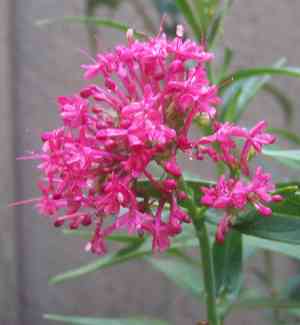
1
Disperse extended-release granular plant food near the Red valerian's base for sustained nutrition.
2
Red valerian thrives in soil that drains effectively and has a somewhat alkaline pH.
3
Moisten the soil both prior to and following fertilizer application to avoid root damage.
Understanding Nutrient Requirements for Red Valerian
Key Nutrients for Healthy Red Valerian Growth
For peak development, Red valerian needs a balanced mix of vital nutrients. Primary elements like nitrogen (N), phosphorus (P), and potassium (K) are crucial. Nitrogen promotes lush, green foliage, phosphorus aids strong root growth and flowering, and potassium boosts overall plant vigor and disease resistance.
Identifying Nutrient Deficiencies in Red Valerian
Recognizing deficiency symptoms helps address nutrient needs effectively. For example, yellowing leaves might signal a nitrogen shortage, while poor blooming could indicate insufficient phosphorus. Stunted development and weak stems are common signs of inadequate potassium. Regularly check your Red valerian to spot these issues early.
Selecting the Appropriate Fertilizer for Red Valerian
Organic vs. Synthetic Fertilizers
The choice between organic and synthetic fertilizers depends on personal preference and gardening objectives. Organic options, such as compost and manure, release nutrients gradually and enhance soil quality over time. Synthetic fertilizers offer a quick nutrient boost but require careful use to prevent over-fertilization.
Optimal Fertilizer Formulations for Red Valerian
For Red valerian, a balanced fertilizer with equal parts N-P-K (10-10-10) is ideal. If choosing organic fertilizers, consider a blend of compost and bone meal for a consistent supply of essential nutrients throughout the growing season. Always adhere to the packaging instructions for correct application rates.
Ideal Fertilizing Schedule for Red Valerian
Seasonal Fertilization Advice
The best time to fertilize Red valerian is in the spring, as new growth emerges. This timing aligns with the plant's natural growth cycle, ensuring it has the necessary nutrients to flourish all season. Refrain from fertilizing in late autumn or winter when the plant is dormant.
Adjusting Fertilization Based on Plant Condition and Development
Regularly monitor your Red valerian's health and growth. If the plant appears vibrant and blooms profusely, maintain your current fertilizing routine. If growth slows or leaves show deficiency signs, adjust the nutrient balance or application frequency. Sometimes, a soil test can reveal specific nutrient requirements.
Applying Fertilizer to Red Valerian
Step-by-Step Guide for Fertilizer Application
Start by thoroughly watering the soil around the base of the Red valerian.Measure the recommended fertilizer amount according to package directions.Evenly scatter the fertilizer around the base, avoiding direct contact with the plant stem.Lightly work the soil surface to incorporate the fertilizer.Water the area again to help the fertilizer penetrate the soil.
Common Fertilizing Errors to Avoid with Red Valerian
Avoid excessive fertilization, as it can cause nutrient imbalances and root burn. Never apply fertilizer to dry soil, as it can harm the roots. Also, prevent fertilizer from touching the foliage, which can lead to leaf burn. Finally, always follow package instructions for proper application rates.



