Optimal Fertilizer for Growing Common hackberry: What You Need to Know
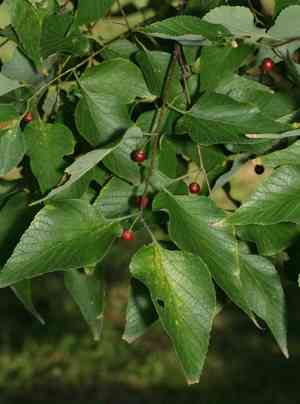
1
Apply a balanced plant food, like a 10-10-10 mix, for routine nourishment in early spring.
2
Refrain from providing nutrients to the tree while it's inactive in winter to avoid harm.
3
Conduct a soil analysis prior to fertilization to precisely meet nutrient requirements.
Grasping the Fertilization Requirements of Common Hackberry
Recognizing Indicators of Nutritional Deficiencies
Similar to other deciduous trees, the Common hackberry exhibits specific signs signaling nutrient shortages. Key indicators include yellowing leaves (chlorosis), stunted development, and premature leaf shedding. Yellow foliage often points to a lack of nitrogen, while poor growth may suggest insufficient phosphorus. Consistent observation for these symptoms helps in early detection and prompt intervention.
The Function of NPK (Nitrogen, Phosphorus, Potassium) in Common Hackberry Vitality
NPK denotes Nitrogen (N), Phosphorus (P), and Potassium (K), which are crucial elements for Common hackberry development. Nitrogen promotes abundant, green foliage, phosphorus aids root and bloom formation, and potassium boosts overall robustness and disease resistance. A balanced fertilizerâsuch as 10-10-10âsupplies these nutrients equally, making it a suitable general-purpose option for your tree.
Seasonal Nutritional Demands
The Common hackberry's nutrient requirements fluctuate throughout the year. In early spring, the tree needs a nitrogen boost to support new leaf and shoot growth. As the season progresses, balanced feeding ensures continuous development. Late summer feeding should concentrate on strengthening the tree's defenses for the upcoming colder period, favoring higher potassium levels.
Selecting the Appropriate Fertilizer for Common Hackberry
Organic vs. Synthetic Fertilizers: Advantages and Disadvantages
Organic fertilizers are typically derived from natural sources, including compost, manure, and bone meal. They enhance soil structure and microbial activity but often release nutrients more slowly. Synthetic fertilizers, conversely, offer precise nutrient ratios and quicker outcomes but might not improve soil health long-term. The choice depends on your specific gardening objectives and soil conditions.
Recommended Fertilizer Varieties and Brands (General)
For Common hackberry, balanced all-purpose fertilizers like 10-10-10 are frequently advised. Brands such as Miracle-Gro, Espoma, and Jobeâs provide dependable and effective formulations. For organic alternatives, consider products like Dr. Earth Organic All Purpose Fertilizer or Down to Earth All Natural Fertilizer.
Adapting Fertilizer Choices to Soil Composition
Your garden's soil type significantly influences fertilizer selection. Sandy soils drain rapidly and often require more frequent nutrient applications, while clay soils retain moisture and nutrients longer. Conduct a soil test to determine pH and nutrient levels, which will guide you in choosing the most effective fertilizer. For example, acidic soils might benefit from lime treatments to optimize nutrient absorption.
Effective Fertilization Techniques for Common Hackberry
Optimal Time of Year for Fertilization
The best time to fertilize your Common hackberry is in early spring, around the start of the growing season. This timing provides the necessary nutrients for leaf and shoot development. Avoid fertilizing in late summer or fall, as new growth stimulated by late fertilization can be damaged by frost.
How to Apply Fertilizer Effectively
To apply fertilizer effectively, spread it uniformly around the tree's drip line, which is the area directly beneath the outer edge of the branches. Avoid placing fertilizer too close to the trunk to prevent root burn. Water thoroughly after application to help nutrients penetrate the soil. Using a slow-release fertilizer can minimize the risk of over-fertilization and ensure a steady nutrient supply.
Monitoring and Adjusting Fertilization Practices
Regularly observe the growth and health of your Common hackberry after fertilization. Note changes in foliage color, leaf size, and overall vigor. Perform periodic soil tests to check for any nutrient imbalances and modify your fertilization schedule and formula accordingly. This continuous attention ensures your tree receives the correct nutrients when needed.
Addressing Common Fertilization Issues
Managing Over-Fertilization
Excessive fertilization can harm your Common hackberry, leading to scorched roots and foliage. Symptoms include wilting, yellowing leaves, and leaf drop. To remedy over-fertilization, drench the soil with ample water to flush out surplus nutrients and refrain from applying additional fertilizer for several months. Always adhere to recommended dosages to prevent this problem.
Correcting Nutrient Imbalances
If nutrient imbalances are suspected, perform a detailed soil test to pinpoint deficiencies or excesses. Supplements like iron chelates can address micronutrient shortages, while adding organic matter can help improve overall nutrient availability. Tailoring your fertilization strategy based on soil test results ensures balanced nutrient levels.
Fertilization Safety Guidelines
Safety should always be paramount when handling fertilizers. Wear protective gear, including gloves and eye protection. Store fertilizers in a secure, dry location, away from children and pets. Follow label instructions carefully to avoid accidental over-application or spills. Dispose of any unused fertilizer safely, adhering to local regulations.



