Optimal Fertilizer for Growing Plumed cockscomb: What You Need to Know
1
Plumed cockscomb thrives in soil with a pH ranging from mildly acidic to neutral.
2
Optimal growth temperatures are typically within 18-24°C (64-75°F).
3
Excessive fertilization may result in over-nutrition and possible damage to the roots.
Understanding Fertilizer Needs of Plumed cockscomb
The Importance of Nutrients for Plumed cockscomb
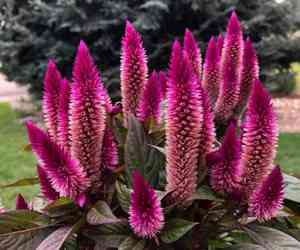
The availability of nutrients is crucial for Plumed cockscomb to flourish. Essential macronutrients—nitrogen, phosphorus, and potassium—each contribute uniquely to fostering healthy foliage, robust root systems, and vivid flowers. A well-nourished Plumed cockscomb will display lush, brightly colored blooms and vigorous development. Consistent nutrient supply ensures the plant sustains its decorative appeal throughout its active growth period, particularly during summer when its metabolic processes are most active.
Identifying Nutrient Deficiencies in Plumed cockscomb
Detecting nutrient deficiencies in Plumed cockscomb is easier once familiar with the plant's visible indicators. Yellowing leaves may signal a lack of nitrogen, while sparse flowering could point to insufficient phosphorus. If leaf margins appear scorched, potassium might be deficient. Early recognition of these symptoms allows for prompt corrective actions, such as targeted feeding, thereby preserving the plant's vitality and appearance.
Choosing the Right Fertilizer for Plumed cockscomb
Organic vs. Synthetic Fertilizers
When selecting between organic and synthetic fertilizers for Plumed cockscomb, it's vital to balance immediate nutrient delivery with long-term soil well-being. Organic options, like compost and worm castings, release nutrients gradually, enhancing soil structure and microbial activity over time. Synthetic fertilizers offer quick nutrient access and are often tailored for specific plant needs, though they may not improve soil health. A blend of both can ensure both rapid and sustained nutrient provision for Plumed cockscomb.
NPK Ratio Recommendations
For prime development, Plumed cockscomb benefits from an even NPK (Nitrogen-Phosphorus-Potassium) ratio around 10-10-10, or a slightly higher phosphorus content like 10-20-10 to encourage blooming. This equilibrium supports strong growth, robust root formation, and abundant flowering. Modify the ratio based on soil tests or observable plant requirements to ensure the nutrient balance effectively supports the plant's various life stages.
How Often to Fertilize Plumed cockscomb
Fertilization Schedule Based on Growth Stages
Fertilizing Plumed cockscomb should align with its developmental phases. During the initial growth and pre-bloom periods, a bi-weekly application of balanced fertilizer helps establish strong roots and sturdy foliage. Once flowering commences, switching to a higher phosphorus formula aids in maximizing bloom production. Consistent feeding every two weeks throughout summer ensures a continuous nutrient supply for ongoing growth and blossoming.
Adjusting Fertilization Frequency with Seasonal Changes
While Plumed cockscomb flourishes with frequent feeding in warmer months, reduce fertilization as the growing season concludes. In early summer, more regular feedings are advantageous due to rapid growth. As autumn approaches and growth slows, decrease applications to monthly or as necessary based on plant vigor. Understanding and adapting to seasonal growth patterns prevents over-fertilization and supports the plant's natural life cycle.
Applying Fertilizer to Plumed cockscomb
Methods of Fertilizer Application
Fertilizer application methods for Plumed cockscomb include drenching the soil, foliar feeding, and using slow-release granules. Soil drenching delivers nutrients directly to the root zone for rapid absorption. Foliar feeding, which involves spraying diluted liquid fertilizer onto leaves, can quickly remedy nutrient shortages. Slow-release granules provide a consistent supply over time. Each approach has benefits, and combining them can suit specific growth stages and nutrient demands.
Safety Measures and Best Practices
When fertilizing Plumed cockscomb, adhering to safety protocols and optimal practices is essential. Always consult product labels for proper dosage instructions. Water plants both before and after applying fertilizer to prevent root burn. Avoid fertilizing during peak heat to minimize plant stress. Regularly check for signs of over-fertilization, such as scorched leaves or excessive growth, to maintain the plant's health and aesthetic.
Monitoring Plumed cockscomb After Fertilization
Observing Plant Response
Following fertilization, diligently observe your Plumed cockscomb for indications of nutrient absorption and overall vitality. Look for vibrant, lush growth and an increase in flower count. Also, watch for any negative reactions, such as leaf burn, which could signify over-fertilization. Regular plant health checks assist in making timely adjustments to the feeding regimen.
Adjustment Strategies for Over or Under Fertilization
If symptoms of over-fertilization, like yellowing leaves or root damage, appear, rinse the soil thoroughly with water to dilute excess nutrients. In cases of under-fertilization, apply a balanced liquid fertilizer to provide an immediate nutrient boost. Modify the frequency and quantity of fertilization based on continuous observation and the plant's response to maintain optimal growth and health of your Plumed cockscomb.



