Optimal Fertilizer for Growing Crimson cattleya: What You Need to Know
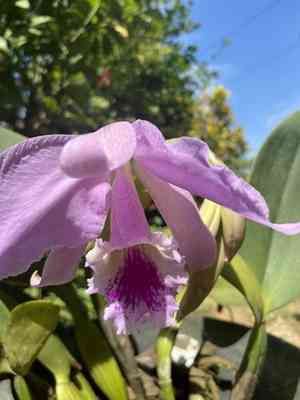
1
Refrain from excessive fertilization of your Crimson cattleya to avert root damage.
2
Apply a balanced 20-20-20 plant food during its period of active development.
3
Rinse the orchid's growing substrate with water each month to eliminate accumulated fertilizer salts.
Grasping the Nutritional Requirements of Crimson cattleya
Crucial Nutrients for Peak Development
Properly nourishing your Crimson cattleya involves comprehending the vital nutrients necessary for its growth. Orchids, including Crimson cattleya, demand a balanced provision of macronutrients such as Nitrogen (N), Phosphorus (P), and Potassium (K). Nitrogen fosters foliage growth, phosphorus aids in root formation and blooming, and potassium ensures overall plant vitality. Trace elements like magnesium, calcium, and iron are also indispensable.
Indicators of Nutrient Deficiencies in Crimson cattleya
Recognizing signs of nutrient shortages can assist in modifying your feeding regimen. Symptoms such as yellowing leaves, stunted development, and poor flowering signify nutrient scarcities. For instance, a nitrogen deficit might cause older leaves to yellow, while a lack of phosphorus can lead to delayed blossoming. Identifying these indicators early enables corrective measures, ensuring your plant receives its required nutrients.
Selecting the Appropriate Fertilizer for Crimson cattleya
Fertilizer Varieties Suitable for Orchids
When choosing a fertilizer for your Crimson cattleya, it's crucial to pick products formulated for orchids. Common types include balanced fertilizers like a 20-20-20 mix, which supplies equal proportions of nitrogen, phosphorus, and potassium. Furthermore, water-soluble fertilizers are convenient for application as they guarantee uniform distribution and absorption. Orchids also benefit from fertilizers containing trace elements such as iron, manganese, and zinc.
Organic versus Synthetic Fertilizers: Advantages and Disadvantages
Deciding between organic and synthetic fertilizers can impact the well-being of your Crimson cattleya. Organic fertilizers, such as compost tea or fish emulsion, deliver nutrients gradually and enhance growing medium health. They are environmentally sustainable but may have inconsistent nutrient levels. Synthetic fertilizers offer precise nutrient content and rapid absorption. However, they can cause salt accumulation in the potting mix, necessitating periodic flushing.
Frequency of Fertilizing Crimson cattleya
Fertilization Schedule for Various Growth Phases
The feeding frequency for Crimson cattleya varies with its developmental stages. During the active growth period, typically in summer, a weekly or bi-weekly application of a balanced fertilizer is advantageous. Conversely, during the dormant phase in winter, fertilize only once a month. This schedule ensures the plant receives ample nutrients when actively growing and conserves energy during rest periods.
Adjusting Fertilization Based on Environmental Conditions
Environmental factors like light, temperature, and humidity influence fertilization requirements. In bright light and warm temperatures, plants metabolize nutrients faster and may need more frequent feeding. Conversely, in cooler conditions, reduce fertilization to prevent root damage. Monitoring these factors and adjusting your feeding routine accordingly helps maintain optimal plant health.
Steps for Correctly Fertilizing Your Crimson cattleya
Preparing Your Fertilizer Mixture
Begin by preparing the fertilizer solution according to the manufacturer's directions. Typically, dissolve the recommended quantity of fertilizer in water. For example, mix 1/2 teaspoon (approximately 2.5 milliliters) of water-soluble orchid fertilizer in 1 gallon (3.8 liters) of water. Ensure the solution is thoroughly mixed to prevent clumping and uneven nutrient distribution.
Application Methods for Optimal Uptake
Applying the fertilizer correctly enhances nutrient absorption. Water your Crimson cattleya thoroughly before fertilizing to moisten the potting medium. Then, pour the fertilizer solution evenly over the medium, allowing it to soak through. Avoid getting the solution on leaves or flowers to prevent harm. Additionally, consider misting the roots during the growing season for extra nourishment.
Monitoring and Modifying Fertilization Practices
How to Assess the Efficacy of Your Fertilization
Evaluate your fertilization effectiveness by regularly inspecting plant health. Robust growth, vibrant foliage, and abundant blooming are indicators of sufficient nutrition. Conversely, observe for any signs of over-fertilization like leaf scorch, salt buildup on the medium, or root damage. Adjust your feeding practices based on these assessments to maintain a healthy Crimson cattleya.
Troubleshooting Common Problems
Occasionally, you may encounter fertilization issues. If you notice yellowing leaves, root rot, or poor blooms, re-evaluate your feeding routine. Ensure you're using the correct fertilizer, adhering to the recommended dosage, and adjusting based on environmental conditions. Regularly flushing the potting medium with plain water helps remove excess salts, preventing nutrient imbalances.



