Optimal Fertilizer for Growing Canna lily: What You Need to Know
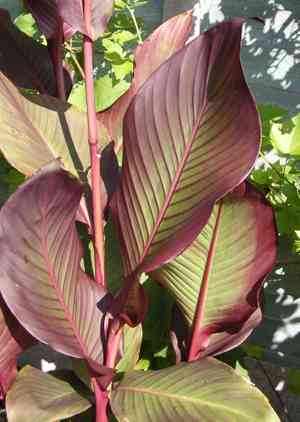
1
Fertilize in springtime to supply your Canna lily with necessary nutrients for a lively flowering period.
2
Canna lilies thrive with a balanced nutrient mix, such as a 10-10-10 (N-P-K) formula, offering all vital elements.
3
Observe your Canna lily's foliage: yellow leaves may signal a nutrient shortage, indicating that fertilization is required.
Deciphering Fertilizer Requirements for Canna Lilies
Essential Nutrients for Canna Lilies
Just like all flora, Canna lilies flourish when supplied with appropriate nutrients. The three fundamental elements crucial for their development are Nitrogen (N), Phosphorus (P), and Potassium (K). Nitrogen encourages abundant, leafy growth; Phosphorus is vital for robust root systems and vivid blooms; and Potassium enhances overall plant vitality, boosting resistance to diseases. A balanced provision of these elements, typically indicated as 10-10-10, guarantees your Canna lilies will grow vigorously and produce beautiful flowers.
Optimal Fertilizer Choice for Healthy Canna Lilies
For best outcomes, utilize a balanced granular feed, such as a 10-10-10 formulation, or a slow-release product specifically made for flowering plants. These kinds of fertilizers deliver a consistent nutrient supply over time, minimizing the danger of over-fertilization. Furthermore, natural choices like compost or aged manure can significantly improve soil structure and gradually release nutrients. Remember, the ideal fertilizer type depends on your unique gardening conditions and preferences.
When to Fertilize Canna Lilies?
Prime Periods for Nutrient Application
The best moment to feed your Canna lilies is in spring, precisely as new shoots emerge. This timing ensures the plants have access to vital nutrients during their most active growth phase. To sustain healthy, flowering plants, continue feeding every 6-8 weeks throughout the growing period until mid-summer. Avoid applying fertilizer in late autumn or winter, as this can disrupt the plant's natural dormant cycle.
Indications Your Canna Lily Needs Feeding
Your Canna lilies will signal when they require nourishment. Watch for reduced growth, pale or yellowed foliage, and fewer blossoms as signs that your plants might need a nutrient boost. Additionally, if your Canna lilies appear weak or dull despite adequate watering and sunlight, it's time to consider fertilizing. Regular observation and prompt action ensure your plants remain vibrant and robust.
A Step-by-Step Guide to Fertilizing Canna Lilies
Preparing Your Gardening Space for Fertilization
Before applying nutrients, prepare your garden by clearing weeds and ensuring the soil is loose and well-aerated. This allows the nutrients to reach the plant roots efficiently. For Canna lilies in pots, refresh the uppermost layer of the potting medium to enhance drainage and nutrient uptake. If using compost or organic material, distribute it evenly around the plant bases and gently work it into the top few centimeters (inches) of soil.
Application Methods for Maximum Absorption
To apply granular fertilizer, sprinkle it uniformly around the base of your Canna lilies, avoiding direct contact with the stems to prevent damage. For liquid fertilizer, mix it according to the package directions and water it at the plant bases. Always irrigate thoroughly after application to help the nutrients penetrate the root zone. For slow-release fertilizers, adhere to the manufacturer's instructions regarding quantity and application frequency.
Common Errors to Avoid When Fertilizing Canna Lilies
Excessive Fertilization and Its Effects on Canna Lilies
Over-fertilizing can be more detrimental than beneficial. Too many nutrients can lead to root damage, leaf scorching, and inhibited growth. It can also cause nutrient imbalances, where an abundance of one nutrient results in a deficiency of another. To prevent these issues, always follow the recommended rates on the fertilizer packaging and avoid fertilizing too often. Moderation is essential for maintaining healthy Canna lilies.
Neglecting Soil pH and Its Impact on Fertilizer Effectiveness
Soil pH is critical for nutrient availability. Canna lilies prefer slightly acidic to neutral soil with a pH between 6.0-7.0. If the soil pH is either too high or too low, your plants may struggle to absorb nutrients, even with the correct fertilizer. Test your soil pH annually and amend it with lime or sulfur as necessary to maintain optimal levels. This ensures fertilizers function effectively and support the plant's development.



