Optimal Fertilizer for Growing Chinese trumpet creeper: What You Need to Know
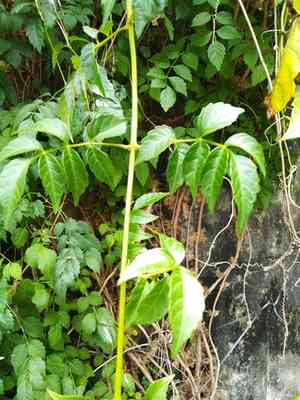
1
Chinese trumpet creeper flourishes with a well-balanced fertilizer rich in phosphorus to encourage abundant flowering.
2
Ensure your Chinese trumpet creeper is watered thoroughly before fertilizing to avoid scorching the roots.
3
Observe the plant for indications of excessive fertilization, including discolored foliage or diminished development.
Deciphering the Fertilization Requirements of Chinese trumpet creeper
Why Nourish Your Chinese trumpet creeper?
Feeding your Chinese trumpet creeper is crucial for promoting robust development and plentiful blooms. This botanical specimen is renowned for its magnificent trumpet-shaped blossoms that can infuse your garden with vibrant hues. By supplying the correct nutrients, you guarantee the plant develops sturdy stalks, rich foliage, and vivid flowers. Appropriate fertilization aids in correcting soil nutrient deficiencies, resulting in a more resilient and thriving plant.
Indicators of Nutrient Deprivation
It is vital to identify symptoms of nutrient deficiencies in your Chinese trumpet creeper. Typical indicators include discolored leaves, stunted development, or reduced flowering. Leaves that appear pale or exhibit mottled spots might signal an absence of vital nutrients such as nitrogen, phosphorus, or potassium. Noticing these signs promptly enables you to address any imbalances and maintain your plant's well-being.
Optimal Nutritional Needs
Chinese trumpet creeper primarily thrives with a well-balanced fertilizer. Nitrogen is essential for foliage expansion and general health. Phosphorus plays a significant role in root formation and blooming, while potassium assists in disease resistance and overall vigor. Utilizing a fertilizer with an equivalent N-P-K (Nitrogen-Phosphorus-Potassium) ratio will supply your plant with the critical nutrients it needs for peak growth.
Selecting the Appropriate Fertilizer for Chinese trumpet creeper
Natural vs. Chemical Fertilizers
The choice between organic and synthetic fertilizers depends on your gardening approach and the specific needs of your Chinese trumpet creeper. Organic fertilizers, such as compost and manure, enhance soil composition and deliver slow-release nutrients. They are ecologically friendly but might necessitate more frequent application. Synthetic fertilizers offer immediate nutrient availability and are generally more convenient. However, excessive use can lead to salt accumulation in the soil. Consider your preferences and the plant's requirements when making your decision.
Essential Nutrients for Chinese trumpet creeper
The vital nutrients your Chinese trumpet creeper requires include nitrogen (N), phosphorus (P), and potassium (K). Nitrogen encourages leafy growth, phosphorus strengthens roots and blossoms, and potassium boosts overall plant health. Furthermore, trace elements like iron, magnesium, and calcium support various biological functions. A properly balanced fertilizer ensures your plant receives these crucial nutrients in the correct amounts.
Recommended Fertilizer Varieties
For Chinese trumpet creeper, a slow-release granular fertilizer is highly advised, as it provides a consistent nutrient supply over time. Seek out a balanced N-P-K ratio such as 10-10-10 or 12-12-12. Liquid fertilizers can also be effective, particularly during the flowering season, as they are rapidly absorbed by the plant. Organic choices like fish emulsion or compost tea can improve soil health and provide essential nutrients more sustainably.
When to Feed Your Chinese trumpet creeper?
Best Seasons for Nutrient Application
Spring is the ideal period to fertilize your Chinese trumpet creeper. As the plant awakens from dormancy and begins its growth cycle, it requires a nutrient boost to support new development and flowering. Commence fertilization in early spring, precisely when new leaves and buds emerge. Depending on the climate, a second application may be necessary in mid-summer to maintain its vitality throughout the blooming phase.
Fertilization Regularity
For optimal outcomes, fertilize your Chinese trumpet creeper once every 4-6 weeks during its active growth period from spring to late summer. Refrain from fertilizing in late autumn and winter when the plant enters dormancy. Excessive fertilization can lead to nutrient imbalances and negatively impact the plant's health. Always adhere to the recommended application rates on the fertilizer packaging to ensure you provide the correct dosage.
How to Apply Nutrients to Chinese trumpet creeper?
Step-by-Step Application Methods
To apply fertilizer to your Chinese trumpet creeper, follow these straightforward steps:Thoroughly water the plant a day prior to fertilizing.Measure the correct amount of fertilizer according to the package directions.Evenly scatter the granular fertilizer around the plant's base, keeping it a few inches from the stem. If using liquid fertilizer, dilute as instructed and apply directly to the soil.Gently incorporate the granular fertilizer into the soil's top layer using a small hand tool.Water the plant again to help the fertilizer activate and reach the roots.
Safety Measures During Fertilization
When nourishing your Chinese trumpet creeper, it's vital to observe safety precautions to safeguard both yourself and the plant. Always wear gloves and eye protection when handling fertilizers. Avoid applying fertilizer on windy days to prevent it from scattering onto other plants or surfaces. Additionally, store fertilizers in a cool, dry location away from children and pets. Finally, thoroughly wash your hands after handling any chemicals.
Monitoring Fertilization Outcomes
Observing Post-Fertilization Growth and Health
After feeding your Chinese trumpet creeper, observe its development and general health. Look for indicators of improvement such as lush green foliage, vigorous stem growth, and abundant flowers. Healthy plants should exhibit consistent growth and vitality. If you notice any unfavorable effects like leaf discoloration, wilting, or salt accumulation on the soil surface, these might signal issues with over-fertilization or an incorrect nutrient balance.
Adjusting Fertilization Based on Plant Reaction
If your Chinese trumpet creeper displays signs of nutrient deficiencies or other growth problems despite regular feeding, it might be necessary to modify your fertilization strategy. Conduct a soil analysis to pinpoint any specific nutrient imbalances or deficits. Based on the findings, you may need to alter the type or quantity of fertilizer used. Consistent observation and responsive adjustments will help ensure your plant remains healthy and vibrant throughout the growing season.



