Optimal Fertilizer for Growing Bluebell bellflower: What You Need to Know
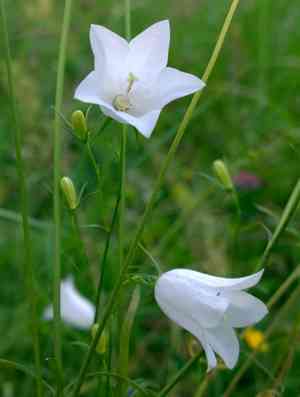
1
Bluebell bellflowers flourish with a 10-10-10 NPK (Nitrogen, Phosphorus, and Potassium) fertilizer that is well-balanced.
2
Excessive fertilization can cause root damage and fewer flowers in Bluebell bellflowers.
3
The best period to fertilize Bluebell bellflowers is during early spring, right when new shoots emerge.
Understanding Nutrient Requirements for Bluebell bellflower
What Nutrients Do Bluebell bellflowers Need?
To maintain your Bluebell bellflowers in optimal condition, grasping their nutritional demands is vital. These charming perennials require a balanced blend of essential nutrients for vigorous development and beautiful blossoms. Key nutrients include Nitrogen (N) for foliage growth, Phosphorus (P) for root and flower development, and Potassium (K) for overall plant health and disease resistance. A balanced fertilizer, such as a 10-10-10 NPK formula, ensures your Bluebell bellflowers receive necessary nutrients without guesswork.
The Effects of Excessive Fertilization on Bluebell bellflower
While appropriate fertilization promotes strong growth, applying too much can be harmful. Over-fertilization can cause 'root burn,' where the plant's roots are damaged by an excess of nutrients. This often results in stunted growth, wilting, and a decline in the plant's general health. Furthermore, too much fertilizer can reduce the number of blooms, which defeats your purpose. Using the correct amount, at the right frequency, is crucial for preserving the health and beauty of your Bluebell bellflowers.
Selecting the Appropriate Fertilizer for Bluebell bellflower
Organic vs. Synthetic Fertilizers
When choosing fertilizers, you have two primary options: organic and synthetic. Organic fertilizers consist of natural components like compost or bone meal, which release nutrients gradually and enhance soil structure over time. Synthetic fertilizers, conversely, deliver immediate nutrient availability but do not improve soil quality. Both types have advantages. Organic fertilizers are often recommended for a more sustainable approach, while synthetic fertilizers can be useful for rapid nutrient corrections.
Recommended Fertilizer Types and Brands (General)
For Bluebell bellflowers, a balanced, general-purpose fertilizer is effective. Look for products such as a 10-10-10 formula. Well-known brands offering dependable fertilizers include Miracle-Gro, Jobeâs Organics, and Espoma. These brands provide both organic and synthetic options, allowing you to choose based on your preference and gardening practices. Considering slow-release fertilizers is also worthwhile, as they provide a steady nutrient supply over time, reducing the need for frequent applications.
Optimal Practices for Fertilizing Bluebell bellflower
When to Fertilize Bluebell bellflower?
Timing is critical for fertilizing Bluebell bellflowers. The ideal time to fertilize is in early spring, just as new growth emerges. This timing ensures the plants receive the necessary nutrients to fuel their growing season. If you miss the early spring window, you can still fertilize, but do so sparingly to avoid stressing the plants as they approach their blooming phase.
How to Apply Fertilizer Effectively?
Applying fertilizer effectively involves several key steps. First, always adhere to the manufacturer's instructions regarding quantity and frequency. Over-application can cause more harm than good. Distribute the fertilizer evenly around the plant's base, approximately 15-20 cm (6-8 inches) from the stem to prevent root burn. If using a liquid fertilizer, dilute it according to instructions and water the soil around the plants, not the leaves, to ensure proper absorption.
Common Errors to Avoid in Fertilizing Bluebell bellflower
Avoiding Excessive Application
One of the most frequent errors gardeners make is applying too much fertilizer, believing more is better. In reality, this can lead to nutrient runoff, root burn, and even plant demise. Adhere to recommended dosages and schedules, and always err on the side of caution if uncertain. Regular observation of your plants will help you determine if they need more nutrients or if they are thriving as is.
Monitoring Soil pH and Electrical Conductivity
Another frequently overlooked aspect is the soil's pH and electrical conductivity. Bluebell bellflowers prefer slightly acidic to neutral soil (pH 6.0-7.0). Regular soil pH testing helps ensure nutrients are available for plant uptake. If your soil pH is off, you can amend it using lime to raise pH or sulfur to lower it. Additionally, conducting periodic soil tests can help monitor nutrient levels and prevent over-fertilization.



