Optimal Fertilizer for Growing Tussock bellflower: What You Need to Know
1
Tussock bellflower thrives with an even NPK balance, usually 10-10-10.
2
Apply fertilizer to your Tussock bellflower during springtime to encourage strong blossoms.
3
Excessive fertilization may result in frail, elongated stems and diminished blooms.
Understanding Nutrient Requirements for Tussock Bellflower
Specific Nutritional Needs of Tussock Bellflower
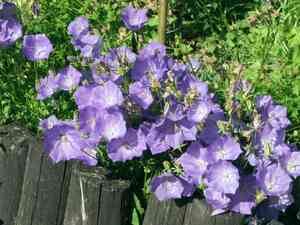
The Tussock bellflower, recognized for its delicate, bell-shaped blossoms, flourishes with a balanced nutrient supply. Essential nutrients include nitrogen (N), phosphorus (P), and potassium (K). Nitrogen is crucial for leaf development, phosphorus aids root growth and flowering, while potassium supports overall plant vigor and disease resistance. For optimal growth, use a balanced fertilizer with a 10-10-10 NPK ratio.
Indicators Your Tussock Bellflower Requires Fertilization
It's vital to identify when your Tussock bellflower needs a nutrient boost. Watch for stunted growth, pale or yellowing leaves, and reduced flower production. These symptoms suggest your plant may lack essential nutrients and could benefit from timely fertilization.
Selecting the Appropriate Fertilizer for Tussock Bellflower
Organic Versus Synthetic Fertilizers
When fertilizing your Tussock bellflower, you can choose between organic and synthetic options. Organic fertilizers, like compost or aged manure, release nutrients slowly and enhance soil structure. Synthetic fertilizers, conversely, offer a rapid nutrient release but can degrade soil over time if not used carefully. For sustainable gardening, consider organic choices or a combination to balance immediate nutrient needs and long-term soil health.
Recommended NPK Ratio for Tussock Bellflower
A balanced NPK ratio of 10-10-10 is ideal for Tussock bellflowers. This ratio ensures your plants receive equal amounts of nitrogen, phosphorus, and potassium, promoting robust growth, vibrant blooms, and strong root development. Always adhere to the manufacturer's guidelines to prevent over or under-fertilization.
Fertilization Frequency for Tussock Bellflower
Fertilizing During the Active Growth Period
The optimal time to fertilize your Tussock bellflower is during its growing season, especially in spring. This timing aligns with the plant's natural growth cycle, aiding in the development of strong roots and lush foliage. Apply fertilizer every 4 to 6 weeks during this period to ensure consistent nutrient availability.
Adjusting Fertilization Schedule Based on Plant Health and Soil Conditions
Modify your fertilization schedule based on your plants' health and soil conditions. If your Tussock bellflowers appear healthy and are blooming well, you might decrease the frequency to avoid over-fertilization. Conversely, if they show signs of nutrient deficiency, you may need to fertilize more often. Soil testing can provide valuable insights into nutrient levels and help you fine-tune your fertilization strategy effectively.



