Optimal Fertilizer for Growing Japanese camellia: What You Need to Know
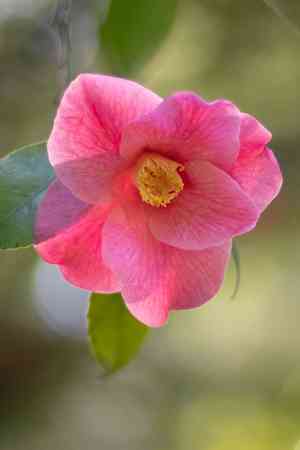
1
Optimal fertilization for Japanese camellia occurs in spring. This supports robust growth throughout its active period.
2
Refrain from excessive fertilization of your Japanese camellia; it can cause root burn and leaf damage.
3
Natural fertilizers can work as well as artificial ones and typically offer greater advantages for sustained soil vitality.
Understanding the Nutritional Needs of Japanese camellia
Key nutrients and their benefits for Japanese camellia
The Japanese camellia flourishes with various vital nutrients that support its vivid flowers and abundant leaves. Important elements include nitrogen (N), phosphorus (P), and potassium (K). Nitrogen promotes leaf development and general plant robustness. Phosphorus aids in root growth and blossom formation, resulting in more vibrant and numerous flowers. Potassium strengthens the plant's overall resilience, helping it endure stressors like drought and disease. Balanced nutrient provision through fertilization ensures a healthy and thriving Japanese camellia.
Signs of nutrient deficiencies
Identifying nutrient deficiencies in Japanese camellia is crucial for prompt action. Common indicators include yellowing leaves (chlorosis), often pointing to a lack of nitrogen. Sluggish growth and poor flowering can signal insufficient phosphorus, while brown leaf edges might suggest a potassium shortage. By understanding these signs, you can implement corrective actions to restore the plant's health.
Choosing the Right Fertilizer for Japanese camellia
Types of fertilizers: Organic vs Synthetic
When it comes to feeding your Japanese camellia, both organic and synthetic fertilizers have advantages and disadvantages. Organic fertilizers, such as compost or aged manure, release nutrients slowly and enhance soil structure over time. They are environmentally friendly and support long-term soil health. Synthetic fertilizers, conversely, offer immediate nutrient availability and can be specifically formulated for Japanese camellia's requirements. However, they might lead to nutrient accumulation in the soil and demand careful use to avoid root damage.
What to look for in a fertilizer for Japanese camellia
Selecting the appropriate fertilizer for Japanese camellia involves examining the NPK ratio on the packaging. A balanced formula, like 10-10-10, can supply a good blend of vital nutrients. Additionally, consider products designed for acid-loving plants. These frequently contain micronutrients such as iron and magnesium, essential for the plant's chlorophyll production and overall well-being. Water-soluble options can be beneficial for faster absorption, especially for camellias grown in containers.
Optimal Fertilizing Schedule for Japanese camellia
Best times of year to fertilize
Spring is the ideal season to fertilize Japanese camellia. This period aligns with the plant's active growth phase, enabling efficient nutrient uptake to support new development and flowers. Applying fertilizer in early spring ensures the plant has all necessary nutrients before the peak growth season. Avoid fertilizing late in the autumn, as this can stimulate new growth vulnerable to winter damage.
How often should you fertilize?
The frequency of fertilization for Japanese camellia depends on the type of fertilizer used. Generally, a slow-release product can be applied once in the spring. For liquid or water-soluble fertilizers, a monthly application during the active growth period is usually sufficient. Always adhere to the manufacturer's directions and be cautious not to over-fertilize, as this can harm the plant.
How to Apply Fertilizer to Japanese camellia
Step-by-step guide on applying fertilizer
To effectively fertilize your Japanese camellia, follow these steps: 1. Thoroughly water the plant before applying fertilizer to prevent root burn. 2. Measure the correct amount of fertilizer according to product instructions. 3. Evenly scatter the fertilizer around the plant's base, keeping it away from the stem and trunk. 4. Gently rake the fertilizer into the topsoil to ensure it blends well. 5. Water lightly again to help dissolve the fertilizer and enhance absorption.
Common mistakes to avoid in fertilizing
Avoid these common errors when fertilizing your Japanese camellia: 1. Excessive fertilization: This can cause nutrient burn, leading to leaf scorching and root damage. 2. Applying fertilizer too close to the stem: This can concentrate nutrients in one area and harm the plant's roots. 3. Ignoring soil pH: Japanese camellia prefers slightly acidic soil. Ensure your fertilizer choice supports this preference. 4. Fertilizing during the wrong season: Avoid fertilizing in late autumn or winter, as this can encourage new growth susceptible to frost.
Monitoring Your Japanese camellia After Fertilization
What to expect after fertilizing
After fertilization, you should anticipate your Japanese camellia demonstrating increased vigor and more abundant blooms. The plant will likely show signs of healthier, greener foliage and stronger, new development. However, it's crucial to monitor for any adverse reactions such as leaf yellowing or burning, which might indicate fertilizer burn.
Adjusting care based on plant response
Observing your Japanese camellia's reaction to fertilization is vital. If you notice any negative responses, reduce the fertilizer application rate or switch to a more suitable product. Continuously monitor soil moisture and pH levels, and adjust your fertilization schedule based on the plant's growth and health indicators. Remember that a well-fed Japanese camellia should thrive with vibrant blooms and lush foliage.



