Optimal Fertilizer for Growing Carolina allspice: What You Need to Know
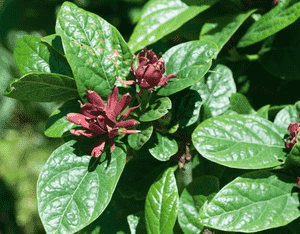
1
Carolina allspice flourishes in soil that drains well and is abundant in organic material, which fulfills its nutritional requirements.
2
Fertilizer application for Carolina allspice is best done in early spring, aligning with the start of its active growth period.
3
General-purpose fertilizers, like those with 10-10-10 or 5-5-5 NPK ratios, are generally appropriate for sustaining the overall vitality and development of Carolina allspice.
Grasping the Nutritional Requirements of Carolina allspice
Key Nutrients for Carolina allspice
For peak development, Carolina allspice needs a balanced blend of vital nutrients: nitrogen (N), phosphorus (P), and potassium (K). Nitrogen aids leaf and stem growth, phosphorus assists root development and bloom production, while potassium boosts overall plant health and disease resistance. These elements are crucial for any feeding plan to ensure your plant flourishes.
Indicators of Nutrient Deficiency in Carolina allspice
Spotting nutrient shortages early can prevent lasting harm to your plant. A lack of nitrogen often causes leaves to yellow, while insufficient phosphorus may lead to stunted growth and poor flowering. Potassium deficits can show as browning leaf edges or weak stems. Regular checks for these signs can guide timely adjustments to fertilization.
Optimal Soil Conditions for Carolina allspice Nutrition
Carolina allspice thrives in well-drained, slightly acidic to neutral soil (pH 6.0-7.0). This environment enables roots to absorb vital nutrients efficiently. Furthermore, adding organic matter to the soil can enhance its fertility and structure, supporting intricate nutrient demands and fostering robust plant vitality.
Selecting the Appropriate Fertilizer for Carolina allspice
Organic vs. Synthetic Fertilizers
The choice between organic and synthetic fertilizers depends on your gardening approach and plant needs. Organic fertilizers, like compost or bone meal, improve soil structure and offer slow-release nutrients. Synthetic options, conversely, provide precise nutrient ratios and act quickly. For Carolina allspice, both types can be effective, but organic fertilizers also benefit sustainability and soil health.
Recommended NPK Ratio for Carolina allspice
Carolina allspice generally benefits from balanced fertilizers with NPK ratios such as 10-10-10 or 5-5-5. These ratios ensure your plant receives equal amounts of nitrogen, phosphorus, and potassium, supporting overall health and development. Consistent feeding during the growing season helps maintain these nutrient levels and promotes vigorous growth.
How Frequently to Fertilize Carolina allspice?
Fertilization Schedule Throughout the Growing Season
Optimal fertilization for Carolina allspice involves a schedule aligned with its growth cycle. Start fertilizing in early spring when new growth emerges, continuing every 4-6 weeks during the active season. Ceasing fertilization in late summer or early fall allows the plant to toughen up and prepare for winter dormancy. This schedule ensures steady nutrient availability without encouraging late-season growth vulnerable to frost.
Adjusting Fertilization in Various Climates
Climate can impact the fertilization requirements of Carolina allspice. In warmer areas with longer growing seasons, you might need to fertilize more often to support extended growth. Conversely, in cooler climates, reducing frequency can prevent overstimulation before winter. Adapting your fertilizing strategy based on local climate ensures Carolina allspice receives balanced nourishment suitable for its environment.
Detailed Guide to Fertilizing Carolina allspice
Preparing the Soil
Start your fertilization process by preparing the soil. Remove any debris and weeds from around the plant's base. Loosening the soil around your Carolina allspice improves aeration and allows fertilizers to penetrate more effectively. Adding a layer of compost to the top 2-4 inches (5-10 cm) of soil can also boost its nutrient retention capacity.
Applying Fertilizer
When applying fertilizer, follow the product's instructions for the correct amount. Spread the fertilizer evenly around the plant, keeping it away from direct contact with the stem. For granular fertilizers, gently work them into the soil surface. If using liquid fertilizer, ensure even coverage over the root area. Water the plant thoroughly after fertilization to help dissolve and distribute the nutrients into the soil.
Post-Fertilization Care
After fertilizing, observe your Carolina allspice for any changes or signs of stress. Regular watering, especially after applying fertilizer, keeps nutrients accessible to the roots. Mulching around the plant's base can help retain moisture and regulate soil temperature. Avoid excessive fertilization as it can lead to nutrient burn and potentially harm the plant.



