Optimal Fertilizer for Growing Bottlebrush: What You Need to Know
1
Utilizing a slow-release plant food can deliver consistent nourishment to your Bottlebrush, eliminating the need for regular feeding.
2
Applying too much fertilizer to Bottlebrush may result in abundant foliage but fewer blooms.
3
Natural fertilizers enhance soil quality while also nourishing your Bottlebrush, fostering sustained plant vigor.
Understanding the Nutrient Needs of Bottlebrush
What nutrients does Bottlebrush require?
The Bottlebrush, a adaptable and striking plant, thrives with a balanced nutritional intake. Its health primarily relies on three essential elements: nitrogen (N), phosphorus (P), and potassium (K). Each nutrient plays a vital role in the plant's growth. Nitrogen promotes rich, green foliage, crucial for photosynthesis. Phosphorus supports robust root development and is key for producing the vibrant, brush-like flowers Bottlebrush is known for. Potassium, conversely, contributes to overall plant vigor by aiding in water regulation and disease resistance.
How do these nutrients support growth and flowering?
Every nutrient uniquely supports the Bottlebrush's overall growth and bloom production. For instance, nitrogen-rich feeds enhance leafy development, giving the plant a full, verdant appearance, especially important in early stages. Phosphorus is indispensable as it directly affects the blooming process. A lack of phosphorus can lead to poor flowering, diminishing the plant's aesthetic appeal. Potassium assists in managing water absorption and boosts the plant's resilience against pests and diseases. This combination of nutrients ensures your Bottlebrush not only grows vigorously but also flowers abundantly.
Selecting the Right Fertilizer for Bottlebrush
Analysis of different fertilizer types
When fertilizing your Bottlebrush, several options are available. Granular fertilizers are a popular choice due to their slow-release properties, delivering nutrients gradually over time. Liquid fertilizers are rapidly absorbed and can provide an immediate nutrient boost. Pelletized fertilizers offer another excellent option, being simple to apply and control. Each type has its own benefits and can be selected based on your specific gardening requirements and preferences.
Organic vs. synthetic fertilizers for Bottlebrush
Choosing between organic and synthetic fertilizers can be confusing. Organic fertilizers, like compost and manure, offer gentle nourishment and enhance soil structure. They release nutrients slowly, helping maintain a steady supply for your Bottlebrush. Synthetic fertilizers, in contrast, provide precise nutrient ratios and are often more concentrated. They ensure a rapid nutrient supply but may not contribute to the soil's organic matter. Depending on whether you prefer quick results or long-term soil health, you can opt for either organic or synthetic fertilizers.
Optimal Fertilizing Frequency for Bottlebrush
Fertilizing during the growing season
Spring is the ideal time to commence fertilizing your Bottlebrush. As the plant emerges from dormancy and enters its active growth phase, providing sufficient nutrients can significantly improve growth and flower production. Depending on the fertilizer type, you can fertilize every 6 to 8 weeks from early spring through late summer. Slow-release fertilizers can be applied less often, perhaps once in early spring and again in mid-summer.
Reducing fertilizer in dormant periods
During autumn and winter, the Bottlebrush enters a dormant phase where growth slows significantly. It's crucial to decrease or stop fertilizing during these months. Excessive fertilization during dormancy can cause nutrient accumulation in the soil, potentially harming the plant when it resumes growth. Monitoring the plant's growth cycle and adjusting your fertilizing schedule accordingly is vital for maintaining a healthy Bottlebrush.
Steps to Fertilize Bottlebrush Effectively
Preparing your Bottlebrush for feeding
Before fertilizing, ensure the soil around your Bottlebrush is slightly damp. Dry soil can lead to fertilizer burn, damaging the roots. If the soil is dry, water the plant a day prior to fertilizing. Also, clear any weeds or debris from the plant's base to guarantee nutrients are directed solely to your Bottlebrush.
Application techniques for maximum absorption
Distribute granular or slow-release fertilizers around the Bottlebrush's drip line—where the outer edge of the canopy meets the soil. This ensures nutrients reach the active root zones. For liquid fertilizers, adhere to the manufacturer's dilution instructions and apply evenly across the root area. Remember to water the plant thoroughly after feeding to help dissolve and distribute the nutrients effectively. Adding a mulch layer can also aid in retaining moisture and improving nutrient uptake.
Monitoring Bottlebrush Health After Fertilization
Signs of adequate nutrition
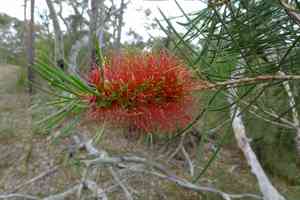
A properly fertilized Bottlebrush will display vibrant, green leaves and abundant, colorful blooms. You'll observe vigorous new shoots and stronger stems. Consistent flowering throughout the blooming season is a clear indication that your plant is receiving the correct amount of nutrients.
Identifying symptoms of over-fertilization
Excessive fertilization can be detrimental to your Bottlebrush. Common indicators include yellowing leaves, leaf scorch, and stunted development. In severe cases, a white crust may appear on the soil surface, signaling salt buildup from surplus fertilizer. If you notice these symptoms, reduce your fertilizing regimen and water the plant extensively to help flush out the extra nutrients.



