Optimal Fertilizer for Growing Basket plant: What You Need to Know
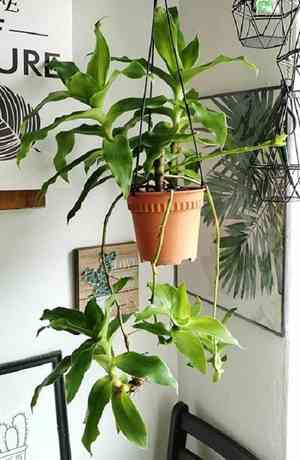
1
Nourish your Basket plant every 4-6 weeks throughout the summer growth period for best outcomes.
2
Employ a balanced plant food with an NPK ratio near 10-10-10 to encourage uniform development.
3
Always hydrate your Basket plant prior to adding nutrients to avoid root damage.
Grasping the Nutritional Requirements of Basket plant
Recognizing Indicators of Nutrient Scarcity
Your Basket plant will frequently display clear indications when it lacks essential nutrients. Watch for inhibited development, pale or yellowed foliage, and a general lack of vitality. These signal that your plant might require a nutritional boost. Consistent observation is crucial for early detection and maintaining your plant's health and vibrancy.
Ideal Nutrient Equilibrium for Basket plant
The Basket plant flourishes best when supplied with a balanced blend of vital nutrients. A typical balanced plant food provides nitrogen (N), phosphorus (P), and potassium (K) in equal proportions. Furthermore, trace elements such as magnesium, calcium, and iron are essential for the plant's overall well-being. Ensuring this balance will foster lush, robust growth.
Selecting the Appropriate Plant Food for Basket plant
Man-made vs. Natural Fertilizers
When choosing a plant food for your Basket plant, consider both synthetic and organic choices. Synthetic fertilizers offer immediate nutrient availability and precise nutrient ratios. However, they can accumulate in the soil over time. Conversely, organic fertilizers release nutrients more gradually, enhancing soil health and structure. The choice depends on your gardening philosophy and immediate requirements.
Optimal NPK Ratio for Basket plant
For peak growth, utilize a fertilizer with an NPK ratio near 10-10-10. This balanced ratio supplies all the primary nutrients your Basket plant requires. During active growth phases, such as summer, regular feeding with this ratio supports abundant foliage and strong root development.
Detailed Fertilization Guide for Basket plant
When to Feed Basket plant
The prime time to fertilize your Basket plant is during the summer, which is its peak growing period. Fertilize every 4-6 weeks during this interval. Refrain from fertilizing during the dormant winter months to prevent nutrient buildup and potential harm to the plant.
Effective Fertilizer Application Methods
Begin by thoroughly watering your Basket plant. This prevents root scorching and aids the plant in absorbing nutrients more effectively. Apply the fertilizer uniformly around the plant's base, adhering to the dosage instructions on the product label. For liquid fertilizers, mix them with water as recommended and apply directly to the soil.
Common Fertilization Errors to Avoid with Basket plant
Problems from Excessive Fertilization
Over-fertilization can lead to salt accumulation in the soil, which damages roots and hinders the plant's development. Symptoms include leaf burn, wilting, and yellowing of leaves. To prevent this, always follow the recommended dosage and frequency on the fertilizer packaging.
Incorrect Fertilizer Application Techniques
Applying fertilizer too close to the plant's stem can cause root burns and damage. Instead, apply it around the base, ensuring even distribution. Additionally, never apply fertilizer to dry soil; always water the soil before and after fertilization to help nutrients penetrate and prevent root damage.
Sustaining Long-Term Soil Fertility for Basket plant
Regular Soil Analysis
Conducting routine soil tests helps you understand the nutrient composition and pH level of your soil. Based on the findings, you can adjust your fertilization schedule and address any deficiencies. Soil testing kits are available at garden centers, or you can use professional soil testing services.
Adjusting Soil pH for Best Nutrient Absorption
Maintaining the correct pH level is vital for nutrient uptake. The Basket plant prefers a slightly acidic to neutral pH (6.0 to 7.0). If your soil is too acidic or alkaline, the plant may struggle to absorb nutrients. Use soil amendments like lime to raise pH or sulfur to lower it, based on your test results.



