Optimal Fertilizer for Growing Purple beautyberry: What You Need to Know
1
The Purple beautyberry flourishes in soil that drains effectively and has a pH range from somewhat acidic to neutral (6.0-7.5).
2
Utilize a slow-release granular feed to provide continuous nutrients over the plant's active growth period.
3
Observe the foliage of your Purple beautyberry; if leaves turn yellow, it may signal an insufficient nitrogen supply.
Deciphering the Nutritional Requirements of Purple Beautyberry
What Nutrients Does Purple Beautyberry Need?
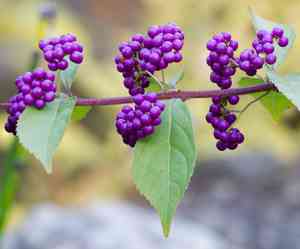
The Purple Beautyberry is a striking addition to any garden, prized for its vivid purple fruits and appealing foliage. To ensure robust growth, grasping its nutrient demands is key. Primarily, Purple Beautyberry necessitates a balanced supply of nitrogen (N), phosphorus (P), and potassium (K), typically found in all-purpose fertilizers. Nitrogen fosters lush, green leaves, phosphorus encourages strong root development and blooming, and potassium boosts overall plant vigor and disease resistance.
Indicators of Nutrient Deficiencies in Purple Beautyberry
Detecting nutrient shortages early can safeguard your Purple Beautyberry from potential harm and stunted growth. Common indicators include yellowing foliage, possibly signaling a nitrogen deficit; poor blooming or fruiting due to insufficient phosphorus; and weak or discolored stems, suggesting a lack of potassium. Regular inspection and timely intervention will maintain your plant's health and vibrancy.
Selecting the Appropriate Fertilizer for Purple Beautyberry
Organic Versus Synthetic Fertilizers: What's Superior?
When choosing between organic and synthetic fertilizers, both offer distinct advantages. Organic options, such as compost and well-rotted manure, enhance soil structure and deliver a gradual release of nutrients, improving microbial activity. Synthetic fertilizers, conversely, provide a precise nutrient balance and are often more convenient to apply. For the Purple Beautyberry, a combined approach utilizing both types can be highly effective.
Recommended Fertilizer Types for Optimal Development
For peak growth, consider a balanced 10-10-10 (N-P-K) fertilizer. A slow-release granular product applied in spring will supply consistent nutrition throughout the growing period. Alternatively, liquid fertilizers, applied bi-weekly, offer immediate nutrient uptake but demand more frequent application. Whatever you select, ensure it aligns with the specific needs of your Purple Beautyberry for the best outcomes.
Best Practices for Fertilizing Purple Beautyberry
When to Fertilize Purple Beautyberry for Prime Results
Spring is the ideal period to fertilize your Purple Beautyberry. As the plant emerges from dormancy and initiates new growth, it will most benefit from the added nourishment. Avoid fertilizing late in the season, as this can encourage new growth that may struggle to endure winter conditions.
How to Apply Fertilizer to Purple Beautyberry
Correct application is vital for effective fertilization. For granular fertilizers, distribute the recommended quantity uniformly around the plant's base, avoiding direct contact with stems and leaves. Gently work the fertilizer into the topsoil, then water thoroughly to aid penetration. If using liquid fertilizers, adhere to the manufacturer's instructions for dilution and application frequency, applying directly to the soil surrounding the plant's base.
Monitoring Purple Beautyberry Post-Fertilization
After fertilizing, observe your Purple Beautyberry for signs of improvement or stress. Robust new growth, vibrant leaves, and abundant fruiting indicate successful fertilization. Conversely, if you notice scorched leaves, wilting, or other distress signals, this might suggest over-fertilization. Adjust your feeding schedule and amounts as needed to maintain your plant's peak health.
Common Questions About Fertilizing Purple Beautyberry
How Frequently Should I Fertilize My Purple Beautyberry?
Typically, the Purple Beautyberry thrives with a single spring application of a slow-release fertilizer. If opting for liquid fertilizers, apply them every 4-6 weeks during the growing season. Always follow the manufacturer's directions to prevent over-fertilization.
Can Excessive Fertilization Harm Purple Beautyberry?
Yes, excessive fertilization can indeed damage your Purple Beautyberry. Too many nutrients, particularly nitrogen, can lead to rapid, weak growth prone to pests and diseases. Furthermore, it can cause nutrient imbalances and soil toxicity. Always stick to recommended rates and schedules, and if uncertain, use a smaller amount to be safe.



