Optimal Fertilizer for Growing Angel's trumpet: What You Need to Know
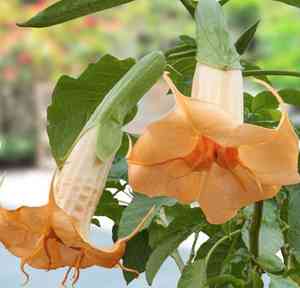
1
To achieve optimal outcomes, feed Angel's trumpet bi-weekly throughout its active growth phase.
2
Transition to a fertilizer rich in phosphorus by mid-summer to promote more robust flowering.
3
Prevent excessive fertilization by strictly adhering to recommended dosagesâan increased amount doesn't guarantee better results.
Grasping the Nutritional Requirements of Angel's trumpet
Key Nutrients for Angel's trumpet
For optimal growth, Angel's trumpet needs a balanced blend of vital nutrients. Nitrogen is essential for leaf development, phosphorus aids in flowering, and potassium supports overall plant vitality. Secondary elements like calcium, magnesium, and sulfur also play crucial roles in ensuring robust growth and vibrant blooms. Consistent feeding with a comprehensive fertilizer will help your Angel's trumpet thrive.
Indicators of Nutrient Deficiency in Angel's trumpet
Early detection of nutrient deficiencies can prevent lasting harm to your plant. Look for yellowing foliage, stunted development, or a lack of blossomsâall common signs of insufficient nutrients. Yellow leaves often point to a nitrogen shortage, while a noticeable reduction in flowering can suggest a lack of phosphorus. If uncertain, a soil analysis can help identify specific deficiencies.
When to Fertilize Angel's trumpet?
Optimal Times of Year for Fertilization
Spring is the ideal period to begin fertilizing your Angel's trumpet. As the plant emerges from winter dormancy, it requires a nutrient boost to initiate growth. Continue feeding throughout the active growing season, typically from early spring through late autumn. Avoid fertilization during winter when the plant's growth slows.
Adapting Fertilization to Growth Stages
Adjust your feeding regimen based on the plant's developmental phases. In early spring, focus on providing a balanced fertilizer to encourage general growth. As summer approaches and flowering commences, switch to a fertilizer with higher phosphorus content to support abundant blooms. Always follow up with a balanced fertilizer to maintain the plant's health.
Selecting the Appropriate Fertilizer for Angel's trumpet
Fertilizer Types: Advantages and Disadvantages
Fertilizers come in various forms, each with its benefits and drawbacks. Granular fertilizers are easy to apply and offer slow-release nutrients, but their distribution can be uneven. Liquid fertilizers provide rapid nutrient uptake but require more frequent applications. Water-soluble fertilizers combine the advantages of both, delivering immediate and sustained nutrient release. Choose the type that best suits your plant's needs and your gardening routine.
Organic vs. Synthetic Fertilizers
Organic fertilizers, such as compost and manure, are eco-friendly and enhance soil health over time. However, they may release nutrients more slowly than synthetic options. Synthetic fertilizers offer precise nutrient ratios and quick results but can lead to soil degradation with prolonged use. A balanced approach, utilizing both types in moderation, can yield the best outcomes for your Angel's trumpet.
How to Apply Fertilizer to Angel's trumpet
Step-by-Step Fertilization Method
Begin by moistening the soil around your Angel's trumpet to ensure the roots can readily absorb the nutrients. Adhere to the dosage instructions on your fertilizer packaging to prevent over-fertilization. Apply the fertilizer uniformly around the plant's base, being careful to avoid contact with leaves or stems. Water the plant thoroughly after fertilizing to help distribute the nutrients throughout the soil.
Dosage and Frequency: Preventing Over-Fertilization
Excessive fertilization can harm your Angel's trumpet, leading to root burn and stunted growth. Adhere to the recommended dosage, typically every two weeks during the growing season. If using a granular fertilizer, consider a slow-release option to minimize the risk of over-fertilization. Always observe your plant for signs of nutrient excess, such as browning leaf tips, and adjust your routine accordingly.
Monitoring Fertilization Effects on Angel's trumpet
Tracking Plant Health After Fertilization
Following fertilizer application, observe your Angel's trumpet for indications of improved health. Look for new growth, vibrant foliage, and an increase in blooming. Regularly inspect the plant for any negative effects, such as yellowing leaves or wilting, which could signal over-fertilization or nutrient imbalances.
Adjusting Care Based on Plant's Response
Plants are living organisms and may necessitate modifications to their care regimen. If your Angel's trumpet is thriving, maintain your current fertilization schedule. If you notice any problems, such as uneven growth or poor flowering, consider altering the type or amount of fertilizer you're using. Sometimes, other factors like watering habits or soil quality may need attention.



