Optimal Fertilizer for Growing Queensland bottle tree: What You Need to Know
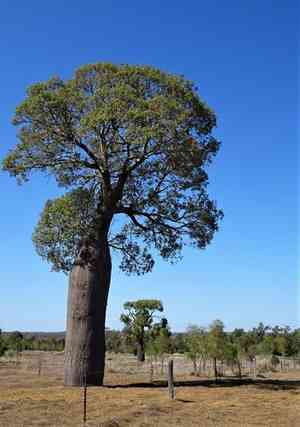
1
Queensland bottle trees thrive with a balanced, extended-release plant food during warmer seasons.
2
Ensure your Queensland bottle tree is well-hydrated immediately following fertilization to prevent root damage.
3
Natural fertilizers offer gradual, consistent nourishment, promoting enduring soil vitality.
Grasping the Nutritional Requirements of Queensland bottle tree
Crucial Nutrients for Robust Development
For healthy development, Queensland bottle trees require a balanced intake of the three main macronutrients: nitrogen (N), phosphorus (P), and potassium (K). Nitrogen promotes foliage growth, phosphorus aids root formation and blooming, while potassium supports overall tree health and resilience. Additionally, trace elements like iron, manganese, and zinc are vital for the tree's metabolic functions and general well-being.
Indicators of Nutrient Deficiencies
Recognizing signs of nutrient deficiencies can help you address problems promptly. Yellowing leaves often point to a nitrogen shortage, while stunted growth and poor flowering might suggest insufficient phosphorus. A lack of potassium could manifest as browning or curling leaf edges. By observing these symptoms, you can adjust your feeding strategy to meet the tree's needs quickly.
Selecting the Appropriate Fertilizer
Fertilizer Varieties Suitable for Queensland bottle tree
Several fertilizers are appropriate for Queensland bottle trees, including balanced, slow-release types with an equal N-P-K ratio, such as a 10-10-10 or 20-20-20 blend. Slow-release fertilizers are generally preferred as they deliver a consistent supply of nutrients over time, minimizing the risk of nutrient overload.
Organic vs. Synthetic: Which is Superior?
Organic fertilizers originate from natural sources and can enhance soil health over time by fostering microbial activity. Examples include compost, manure, and bone meal. Synthetic fertilizers, however, are chemically formulated to provide nutrients rapidly and may be less beneficial for long-term soil health. Ultimately, the choice depends on your preference for natural inputs versus convenience and immediate outcomes.
Optimal Practices for Fertilizing Queensland bottle tree
Fertilization Frequency
For optimal growth, fertilize your Queensland bottle tree every 4-6 weeks during its active growing season, typically spring and summer. This schedule ensures consistent nutrition without overwhelming the tree. Always adhere to the manufacturer's instructions on the fertilizer packaging for the best results.
Correct Application Methods
Apply fertilizer around the tree's root zone, which typically extends to the drip line (the area beneath the outer edge of the tree's canopy). Avoid placing fertilizer directly against the trunk as this can cause harm. Water the tree thoroughly after fertilizing to help distribute nutrients evenly and prevent root burn.
Seasonal Fertilization Advice
Fertilizing in Spring and Summer
Spring and summer are the ideal times to fertilize your Queensland bottle tree because this is when the tree is actively growing. Begin your fertilization regimen in early spring as new growth emerges, and continue throughout the summer months, supporting the tree's robust growth and development.
Winter Care and Fertilization
In winter, Queensland bottle trees typically enter a dormant phase and do not require fertilization. During this period, focus on other maintenance tasks such as mulching to shield the roots from extreme cold and pruning to maintain shape and remove any dead or damaged branches.
Common Errors to Avoid When Fertilizing Queensland bottle tree
Effects and Management of Over-Fertilization
Excessive fertilization can lead to nutrient burn, where roots and leaves show signs of scorching. This can weaken the tree and make it vulnerable to disease. To manage over-fertilization, flush the soil with ample water to wash away surplus nutrients and reduce fertilization frequency or amount in the future.
Misapplication and Its Repercussions
Applying fertilizer too close to the trunk can harm the Queensland bottle tree, causing root damage and potential trunk burn. Similarly, uneven application can result in patchy nutrition, leading to poor growth in certain parts of the tree. For even and effective fertilization, use a spreader for granular fertilizers and ensure thorough watering post-application.



