Optimal Fertilizer for Growing Sea thrift: What You Need to Know
1
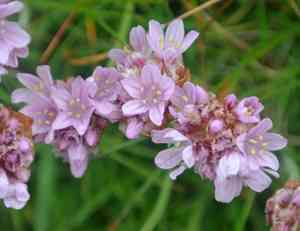
Armeria maritima flourishes in soil that drains efficiently and withstands saline conditions, making it an excellent choice for seaside landscapes.
2
Applying too much fertilizer to Sea thrift may result in abundant foliage but fewer flowers.
3
Using a balanced fertilizer, such as a 10-10-10 blend, in the spring can significantly improve the vitality and blooming of your Armeria maritima.
Understanding Fertilizer Needs of Sea thrift
Identifying the Right Nutrient Mix
For prime development, Sea thrift thrives on a balanced nutrient composition. It's crucial that the plant receives an appropriate blend of nitrogen (N), phosphorus (P), and potassium (K). A balanced fertilizer, often labeled 10-10-10, signifies equal proportions of these vital elements. Nitrogen supports leaf development, phosphorus aids root growth and blooming, while potassium enhances overall plant robustness. Adjusting this blend based on soil analysis ensures your Sea thrift garden's specific requirements are met.
Seasonal Variations in Fertilizing Sea thrift
Applying fertilizer to Sea thrift at the correct time of year is vital for its vitality. The ideal period to fertilize Sea thrift is during spring. As the plant emerges from its winter dormancy, it requires nutritional support for its new growth cycle. Fertilizing at this point energizes the plant for producing sturdy foliage and vivid blossoms. It's best to avoid late-season fertilization, as this can encourage tender growth that might not endure winter conditions.
Signs of Nutrient Deficiencies
Early detection of nutrient deficiencies can protect your Sea thrift from significant health problems. Common symptoms include yellowing leaves, stunted development, and sparse blooming. A general yellowing may indicate a lack of nitrogen. Insufficient phosphorus often leads to weak root systems and fewer blooms, while a potassium deficit can make plants more vulnerable to illness and stress. Observing these signs allows for prompt intervention with the correct nutrients.
Choosing the Best Fertilizer Types for Sea thrift
Comparing Organic vs. Synthetic Options
Both organic and synthetic fertilizers play a role in Sea thrift care. Organic options, like compost and bone meal, improve soil structure and foster long-term health by gradually releasing nutrients. They also encourage beneficial soil microbes. Synthetic fertilizers, such as processed granules, offer immediate nutrient availability and are formulated for precise nutrient ratios. Your selection depends on your gardening philosophy—organics for a sustainable, gradual effect, or synthetics for targeted, rapid outcomes.
Top Recommended Fertilizer Formulations
For Sea thrift, a balanced 10-10-10 fertilizer is highly recommended. This formula provides an even distribution of essential nutrients. Another excellent option is a 5-10-5 formulation, which features lower nitrogen levels to prevent excessive leaf growth while promoting root and flower development. Liquid seaweed extracts and fish emulsion serve as fantastic organic alternatives, enriching the soil with trace minerals and boosting overall plant vitality. It's best to choose a formulation based on soil test results for tailored care.
Applying Fertilizer to Sea thrift
Step-by-Step Application Techniques
Following a systematic approach to fertilization ensures your Sea thrift receives the appropriate amount of nutrients. Begin by watering the plant to prevent root scorching. Measure the correct quantity of fertilizer according to the package directions. Distribute it uniformly around the base, making sure it doesn't touch the stems. Gently incorporate the fertilizer into the soil using a hand cultivator. Finally, water again to help the nutrients penetrate to the roots. Consistent application methods protect plant health and promote even nutrient dispersal.
Frequency and Timing Best Practices
The regularity and timing of fertilization significantly impact the health of Sea thrift. Spring is the ideal time for the initial application. Depending on plant vigor and soil fertility, a second application might be needed in mid-summer. Avoid fertilizing in late autumn to prevent new growth vulnerable to frost. Typically, a light feeding every 6-8 weeks during the active growth period should suffice. Regular yet moderate feeding supports continuous growth and blooming without overwhelming the plant's natural cycle.
Common Mistakes to Avoid in Fertilization
Several typical errors can impede your Sea thrift's growth. Excessive fertilization can result in luxuriant foliage with few flowers and increase the plant's susceptibility to pests and diseases. Applying fertilizer too near the plant's crown can lead to root damage. Failing to water after fertilization can hinder nutrients from effectively reaching the roots. Additionally, relying exclusively on synthetic fertilizers without organic amendments might degrade soil quality over time. Avoid these pitfalls by adhering to best practices.
Monitoring and Adjusting Fertilizer Practices
Assessing Plant Health Post-Fertilization
Regular observation after fertilization helps confirm that Sea thrift is benefiting from the added nutrients. Look for indicators of robust new growth, vibrant coloration, and plentiful blooming. Periodically check soil conditions and conduct soil analyses to verify nutrient levels. Healthy plants should display firm, green foliage, a well-developed root system, and frequent flowers. Observing these signs allows you to evaluate the effectiveness of your fertilization methods and make any necessary changes.
When to Modify Fertilizing Routines
Certain situations may necessitate alterations to your fertilizing schedule. If plants appear excessively lush but lack flowers, decrease nitrogen application. Conversely, sparse growth and poor flowering might signal a need for more phosphorus and potassium. Conduct soil tests periodically to monitor nutrient levels and adjust fertilizer formulas accordingly. Seasonal shifts, plant health, and growth stages are factors influencing nutritional requirements. Tailoring your approach based on these observations ensures that Sea thrift continues to thrive.



