Optimal Fertilizer for Growing Flamingo flower: What You Need to Know
1
Pre-water your Anthurium before applying fertilizer to prevent damage to the roots.
2
Employing a time-release nutrient formula can ensure a consistent nutrient delivery during the active growth period.
3
Leaf discoloration to yellow and stunted development are indicators of excessive fertilization.
Deciphering Flamingo Flower's Nutritional Requirements
Crucial Nutrients for Flamingo Flower
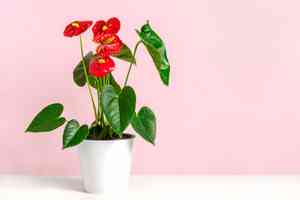
The Flamingo flower, renowned for its vibrant red and pink flower-like bracts, necessitates a well-rounded combination of vital nutrients to flourish. Key macronutrients include nitrogen (N), which promotes vigorous leaf development, phosphorus (P) for robust root systems and blooms, and potassium (K) for overall plant vitality. Essential micronutrients like magnesium and iron are also critical, assisting in chlorophyll production and warding off diseases. Without these fundamental nutrients, your Flamingo flower may fail to reach its full potential.
Indicators of Nutritional Deficiencies in Flamingo Flower
Identifying nutrient shortages early allows for timely corrective actions. Common symptoms include discolored leaves, stunted development, and sparse flowering. For instance, if your Flamingo flower exhibits yellowing foliage with prominent green veins, it might be suffering from an iron deficit. Leaf edge browning or curling tips can point to insufficient potassium, while a general lack of growth or poor blooming may signal inadequate phosphorus. Observing these signs can help you address deficiencies promptly.
Selecting the Appropriate Fertilizer for Flamingo Flower
Synthetic vs. Organic Fertilizers
Choosing the correct fertilizer can significantly impact your Flamingo flower's well-being. Synthetic fertilizers are fast-acting and offer precise nutrient ratios, making them a favored option for many cultivators. However, they can lead to salt accumulation in the substrate over time. Organic fertilizers, conversely, release nutrients gradually and improve soil health by fostering beneficial microbes. While slower in effect, organic fertilizers can provide long-term advantages. Evaluate the benefits and drawbacks of each type to determine what suits your plant care approach.
Recommended NPK Composition for Flamingo Flower
The ideal NPK (nitrogen, phosphorus, potassium) ratio for Flamingo flower is typically 3-1-2. This indicates that a fertilizer with three parts nitrogen, one part phosphorus, and two parts potassium is most suitable. This balanced ratio encourages abundant foliage, strong root development, and vivid blooms. When purchasing fertilizers, always check the product label to ensure it meets these specifications.
Fertilization Frequency for Flamingo Flower
Feeding During the Active Growth Period
The Flamingo flower's primary growing period spans the warmer months, from spring through summer. During this timeframe, nourish your plant every 6-8 weeks to provide a continuous supply of nutrients for optimal development and flowering. A consistent feeding schedule ensures your Flamingo flower remains healthy, vibrant, and capable of producing its spectacular blooms.
Winter Care: Reduced Fertilization
In the colder months, the Flamingo flower's growth considerably slows. Consequently, it's vital to decrease fertilization frequency to prevent nutrient buildup that could harm the plant. During this resting phase, fertilize sparingly – roughly once throughout the entire season. It's also crucial to adapt watering practices, as overwatering combined with excessive nutrients can lead to root rot.
Applying Fertilizer to Flamingo Flower
Step-by-Step Fertilizer Application Guide for Flamingo Flower
To fertilize your Flamingo flower, begin by thoroughly watering the plant to moisten the soil. This step helps prevent root damage from direct contact with concentrated fertilizer. Next, measure the recommended amount of fertilizer – usually specified on the product label – and mix it with water if using a liquid type. Pour the fertilizer solution evenly around the plant's base, avoiding direct contact with the foliage. For granular fertilizers, gently incorporate them into the topsoil. Finally, water the plant again to aid in nutrient distribution.
Preventing Over-Fertilization: Practical Advice
Over-fertilization is a common issue that can result in nutrient burn, salt accumulation, and root damage. To avert this, follow these guidelines: always adhere to the suggested dosage, never fertilize a dry plant, and opt for slow-release fertilizers to ensure a steady nutrient supply. Additionally, regularly flush the soil with plain water to prevent salt buildup. Monitoring your plant for signs of over-fertilization, such as yellowing leaves or stunted growth, will help you adjust your feeding regimen as needed.



