Optimal Fertilizer for Growing Love-lies-bleeding: What You Need to Know
1
For optimal health, fertilize Love-lies-bleeding during summer using a balanced feed to encourage strong growth and extended blooming.
2
Before applying fertilizer to Love-lies-bleeding, always water the plant to protect roots from damage and aid nutrient uptake.
3
Young Love-lies-bleeding benefit from slow-release fertilizers, while established plants during active growth should receive a liquid feed.
Deciphering Love-lies-bleeding's Nutritional Requirements
Love-lies-bleeding's Specific Nutritional Needs
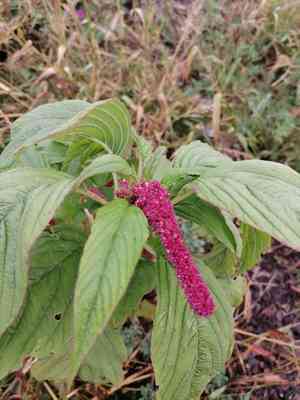
To ensure your Love-lies-bleeding plants flourish, it's vital to grasp their specific nutritional demands. This plant, recognized for its striking, trailing crimson flower clusters, requires particular nutrients to thrive. Rich, well-draining soil is a good foundation, but precise feeding helps them reach their peak form. Providing the correct nutrient balance is crucial for their vibrant and lush appearance.
Macronutrient's Crucial Role in Love-lies-bleeding Development
Macronutrients like nitrogen (N), phosphorus (P), and potassium (K) are essential for Love-lies-bleeding's growth. Nitrogen is vital for abundant foliage, phosphorus aids root development and blossom production, while potassium bolsters overall plant health, assisting in disease and stress resistance. A balanced fertilizer with equal N, P, and K ratios, such as a 10-10-10 blend, is generally suitable during their active growing phase.
Micronutrient Significance for Love-lies-bleeding Vitality
Micronutrients, though needed in smaller quantities, are equally critical. Elements such as iron, magnesium, and zinc contribute to vital physiological processes and chlorophyll creation, ensuring healthy and robust growth. A shortage of any of these can lead to problems like chlorosis, where leaves yellow due to insufficient chlorophyll. Using a fertilizer that includes these trace elements can prevent such issues.
Selecting the Optimal Fertilizer for Love-lies-bleeding
Evaluating Soil Conditions Before Fertilization
Before starting any fertilization regimen, it's crucial to assess your soil's current state. Performing a soil analysis can identify nutrient shortages and pH levels, guiding your fertilizer choice. Love-lies-bleeding prefers slightly acidic to neutral soil (pH 6.0-7.0). Ensuring these conditions are met will improve the plant's nutrient uptake efficiency.
Fertilizer Options: What Suits Love-lies-bleeding Best?
When choosing a fertilizer for Love-lies-bleeding, numerous choices exist. Granular fertilizers are excellent for a gradual nutrient release, while liquid fertilizers provide a rapid nutrient boost. Organic alternatives, such as compost or fish emulsion, offer a natural nutrient source, whereas synthetic fertilizers, like a 10-10-10, provide precise nutrient ratios. Consider your plant's immediate requirements and growth stage when making your selection.
Organic vs. Synthetic Fertilizers: Advantages and Disadvantages
Organic fertilizers enhance soil structure, foster beneficial microorganisms, and have a reduced risk of over-fertilization. However, their nutrient release can be slower and they may be pricier. Synthetic fertilizers, conversely, offer immediate nutrient availability and are typically more affordable. The drawback is potential soil degradation and nutrient runoff. Weigh these aspects to determine the best choice for your plant.
Administering Fertilizer to Love-lies-bleeding
Optimal Fertilization Period for Love-lies-bleeding
The best time to fertilize Love-lies-bleeding is during the summer, aligning with its active growth phase. Fertilizing at the beginning and middle of summer ensures a nutrient supply precisely when the plant needs it most. Always avoid fertilizing during the dormant winter months, as excess nutrients can be detrimental rather than beneficial during this period.
A Step-by-Step Guide to Fertilizing Love-lies-bleeding
Follow these steps for effective fertilization of your Love-lies-bleeding:Thoroughly water the plant before applying fertilizer to prevent root damage.For granular fertilizers, lightly scratch the surface soil around the plant's base and apply according to label directions.For liquid fertilizers, mix the specified amount with water and apply evenly around the root area.Water the soil again to aid nutrient distribution.Repeat this process in early and mid-summer for optimal results.
Fertilizing Young vs. Established Love-lies-bleeding
Young Love-lies-bleeding plants benefit from a slow-release or organic fertilizer, which provides steady growth support without overwhelming delicate young roots. Mature plants, however, might need more frequent feeding with a balanced, water-soluble fertilizer during their peak growing season to support their larger size and increased flowering.
Common Questions About Love-lies-bleeding Fertilization
How Frequently Should Love-lies-bleeding Be Fertilized?
Love-lies-bleeding should be fertilized twice in the summer: once at the season's commencement and again in mid-summer. For continuous blossoms and robust health, these intervals provide a consistent nutrient supply that supports its vigorous growth and spectacular flower production.
Can Excessive Fertilization Harm Love-lies-bleeding?
Indeed, over-fertilization can harm Love-lies-bleeding. Symptoms include leaf scorching, yellowing, and diminished flowering. Too much fertilizer can cause salt accumulation in the soil, which can damage root systems and impede the plant's capacity to absorb water and nutrients. Always adhere to recommended dosages and feeding schedules.
What Are the Indicators of Nutrient Deficiency in Love-lies-bleeding?
Nutrient deficiency in Love-lies-bleeding can appear as yellowing leaves (chlorosis), stunted development, poor blooming, and wilting. If these symptoms are observed, a soil test can identify the lacking nutrients. Subsequently, these deficiencies can be corrected with targeted fertilization to restore the plant's health and vitality.



