Optimal Fertilizer for Growing Alocasia sanderiana: What You Need to Know
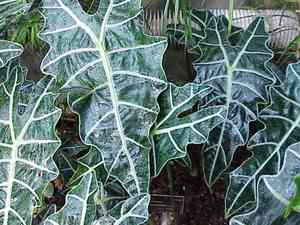
1
Kris plant flourishes optimally with well-balanced nutrient solutions.
2
Ensure your Kris plant is hydrated prior to applying fertilizer to avoid damaging the roots.
3
Excessive fertilization can cause an accumulation of salts in the growing medium, detrimental to Kris plant's health.
Deciphering Fertilizer Requirements for Kris plant
The Role of Nutrients in Kris plant Health and Growth
Fertilizers are vital for the well-being and development of your Kris plant. They supply essential nutrients that the plant might not obtain sufficiently from the soil alone. These elements include nitrogen for foliage expansion, phosphorus for root establishment, and potassium for overall vitality. By ensuring proper nutrient intake, you foster lush, vibrant leaves and robust growth.
Evaluating Soil Nutrients Before Supplying Fertilizers
Prior to adding fertilizer to your Kris plant, it's crucial to evaluate the current nutrient levels within the soil. Performing a soil test can help identify any nutrient deficiencies and prevent excessive fertilization. This step guarantees your plant receives a balanced nutrient supply without risking nutrient burn or imbalances.
Selecting the Appropriate Fertilizer for Kris plant
Fertilizer Varieties Suitable for Kris plant
You have several fertilizer types available for your Kris plant. Organic choices like compost and well-aged manure release nutrients gradually and improve soil structure. Synthetic options come in liquid, granular, or slow-release forms. Opt for a balanced fertilizer formulated specifically for houseplants to achieve optimal results.
Interpreting NPK Ratios for Kris plant Nourishment
NPK signifies nitrogen (N), phosphorus (P), and potassium (K), which are the primary nutrients found in fertilizers. For the Kris plant, an even NPK ratio such as 10-10-10 or 20-20-20 is perfect. This ensures the plant receives equal quantities of these nutrients, encouraging uniform growth and development.
How to Administer Fertilizer to Kris plant
When and How Frequently to Fertilize Kris plant
The best time to fertilize your Kris plant is during the summer months when it's actively growing. Fertilize every 3-4 weeks during this period. Avoid fertilizing in winter when the plant's growth slows, as this can lead to nutrient burn and stress.
Application Methods for Effective Nutrient Delivery
When applying fertilizer, always adhere to the manufacturer's directions for dilution and application rates. Thoroughly water your Kris plant before fertilizing to prevent root burn. Use a watering can to apply liquid fertilizer uniformly to the soil, being careful not to wet the leaves. For granular fertilizers, sprinkle them evenly around the base and gently work them into the topsoil.
Monitoring and Adjusting Fertilization Practices
Observing Plant Reactions and Modifying Fertilization
After fertilizing your Kris plant, closely observe its response. Healthy, dark green leaves and vigorous growth indicate sufficient nutrition. If you notice yellowing leaves, stunted development, or brown leaf tips, these might be signs of over or under-fertilization. Adjust the fertilization frequency or concentration as needed.
Addressing Common Fertilizer Challenges with Kris plant
Typical fertilizer issues include salt accumulation, nutrient imbalances, and root burn. To avert these problems, periodically flush the soil with water to remove excess salts. Ensure you're using a balanced fertilizer and consider reducing the amount or frequency if you notice any adverse symptoms.



