Optimal Fertilizer for Growing Elephant's ear: What You Need to Know
1
Elephant's ear specimens flourish with monthly fertilization throughout their active growth period.
2
Optimal outcomes are achieved using a balanced, liquid-soluble plant food.
3
Refrain from excessive feeding, as it may cause root damage and other detrimental effects to the plant's well-being.
Understanding Fertilizer Needs of Elephant's ear
The Importance of Nutrients for Elephant's ear
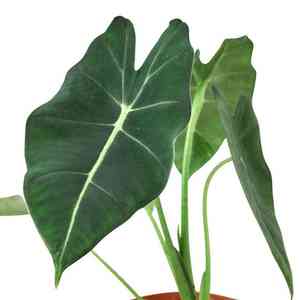
Nourishing your Elephant's ear is vital for ensuring the lush, vibrant development of its large, heart-shaped foliage. As a tropical species, it requires a rich supply of nutrients to emulate its native habitat, where soil nutrient levels are naturally elevated. Regular feeding helps meet these demands, preventing nutrient deficiencies that can impede growth and overall plant health.
Key Nutrients and Their Benefits
For optimal growth, Elephant's ear plants require a balanced blend of essential nutrients. Nitrogen (N) encourages healthy leaf development, phosphorus (P) aids root formation and blooming, and potassium (K) boosts overall plant vigor and disease resistance. Ensuring your fertilizer has a balanced N-P-K ratio can help maintain the plant's health and promote ideal growth. Additionally, micronutrients like iron, magnesium, and calcium play supportive roles in preserving the plant's vivid color and structural integrity.
Signs of Nutrient Deficiency in Elephant's ear
Early detection of nutrient deficiencies can protect your plant from irreversible harm. Common indicators include yellowing leaves, stunted development, and browning leaf edges. A nitrogen shortage often appears as yellowing in older leaves, while insufficient potassium can cause browning at the leaf tips and margins. Monitoring these symptoms allows you to adjust your feeding regimen and address the specific needs of your Elephant's ear.
Choosing the Right Fertilizer for Elephant's ear
Types of Fertilizers: Pros and Cons
Selecting the appropriate fertilizer type is crucial for your Elephant's ear's health. Water-soluble fertilizers offer immediate nourishment and are simple to apply, while slow-release granules provide the benefit of sustained feeding with less frequent application. Organic fertilizers, such as compost or worm castings, enrich the soil with natural nutrients but might release them more slowly than synthetic options. Each type has its advantages and disadvantages, so choosing one that fits your care routine and the plant's specific needs is vital.
Organic Versus Synthetic Fertilizers
The discussion surrounding organic versus synthetic fertilizers often focuses on their nutrient release rates and impact on soil health. Organic fertilizers enhance soil structure and microbial activity over time, making them a more sustainable option. However, they can be slower to take effect and may not offer a balanced nutrient blend. Synthetic fertilizers provide precise nutrient control and quicker results but can lead to salt accumulation in the soil if overused. Balancing the faster action of synthetic options with the long-term benefits of organic fertilizers can yield the best outcomes for your Elephant's ear.
How to Apply Fertilizer to Elephant's ear
Best Practices for Fertilizer Application
When feeding Elephant's ear, it's best to apply the fertilizer uniformly around the plant's base, avoiding direct contact with the foliage. Dilute water-soluble fertilizers to half the recommended strength to prevent root burn, especially for young or newly potted plants. Thoroughly water the plant before and after fertilizing to help distribute nutrients and reduce the risk of fertilizer damage.
How Often to Fertilize Elephant's ear
Elephant's ear plants thrive with a consistent fertilization schedule during their active growth period, typically from spring through summer. Fertilize every 4-6 weeks, decreasing the frequency as the growing season slows down. In winter, when the plant's growth rate diminishes, minimize fertilization to once or twice to avoid overwhelming the plant with unneeded nutrients.
Avoiding Common Fertilization Mistakes
Over-fertilization is a frequent error that can harm Elephant's ear plants, causing root damage and leaf browning. Always adhere to the fertilizer's label instructions, and when uncertain, opt for under-fertilizing rather than overdoing it. Ensure consistent watering practices, as irregular watering combined with fertilization can lead to nutrient imbalances and stress the plant.
Seasonal Fertilization Tips for Elephant's ear
Winter Care and Fertilization
During winter, Elephant's ear plants enter a dormant phase with significantly reduced growth. Nutrient requirements are minimal during this period. If the plant is kept indoors, reduce feeding to once every couple of months, using a very diluted solution. If your plant is outdoors in a mild climate, it may not need any fertilization at all until growth resumes in spring.
Boosting Spring and Summer Growth
Spring signals the start of the active growing season for Elephant's ear plants. Begin fertilizing as new growth appears, typically in late winter or early spring. Use a balanced, water-soluble fertilizer every 4-6 weeks to support the plant through its peak growth months. Consistent feeding during this time ensures vigorous growth and vibrant foliage, preparing the plant to flourish throughout the summer.



