Optimal Fertilizer for Growing Persian silk tree: What You Need to Know
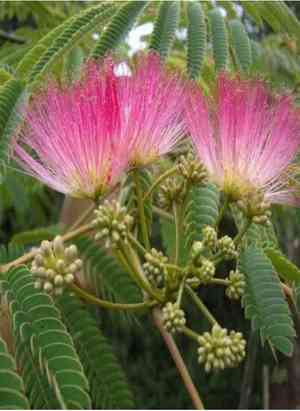
1
Fertilizing your Persian silk tree is best done in spring as it begins its vigorous growth period.
2
Signs such as leaves turning yellow and diminished growth may signal a lack of nutrients in your Persian silk tree.
3
Ensure your Persian silk tree is watered prior to fertilization to avoid damaging its roots.
Deciphering the Nutritional Requirements of Persian Silk Tree
Crucial Nutrients for Peak Development
To ensure your Persian silk tree flourishes, it requires a precise array of nutrients. These encompass macronutrients such as nitrogen (N), phosphorus (P), and potassium (K), which are vital for leaf expansion, root system establishment, and overall vigor. Micronutrients like iron, magnesium, and zinc, though needed in smaller amounts, are equally crucial for preventing yellowing leaves and promoting robust development.
Indicators of Nutrient Shortages
Deficiencies in nutrients can manifest in various forms. Yellowing of foliage frequently signals a lack of nitrogen, whereas inhibited growth and sparse blooming may point to insufficient phosphorus. A potassium deficit might appear as browning leaf margins. Watch for these symptoms to promptly identify and correct any nutritional imbalances.
Selecting the Appropriate Fertilizer for Persian Silk Tree
Fertilizer Categories: Organic vs. Synthetic
Choosing between organic and synthetic plant foods can sometimes be perplexing. Organic fertilizers, like compost and manure, enhance soil structure and offer a slow-release nutrient source. Synthetic options, while providing immediate nutrient availability, can sometimes lead to nutrient runoff if not applied correctly. For robust and sustainable growth, a blend of both might be the optimal approach for your Persian silk tree.
How to Pick the Correct NPK Ratio
The NPK ratio on fertilizer packaging indicates the concentrations of nitrogen, phosphorus, and potassium. For Persian silk tree, a balanced fertilizer with an NPK ratio such as 10-10-10 or 20-20-20 is generally advised. This ensures the tree receives an even proportion of all three essential macronutrients, supporting harmonious growth.
Optimal Timing and Methods for Fertilizing Persian Silk Tree
When to Fertilize for Peak Health
Spring marks the ideal period to fertilize your Persian silk tree. As the tree enters its active growth phase, it absorbs nutrients more effectively. Applying fertilizer during this time helps to fuel new growth and blossoms. Refrain from fertilizing in late autumn or winter when the tree is dormant.
Applying Fertilizer: Step-by-Step Instructions
Begin by thoroughly watering your tree. This prevents root burn and assists the fertilizer in dissolving into the soil. Distribute the fertilizer uniformly around the tree's base, extending it to the drip line. Lightly rake the fertilizer into the upper few inches of soil, and water again to facilitate nutrient uptake. Repeat this process as necessary, based on product recommendations.
Monitoring and Adjusting After Fertilizing Persian Silk Tree
Observing Plant Reaction and Development
Following fertilization, observe your Persian silk tree for signs of improved vitality and growth. Look for greener leaves, new shoots, and abundant flowers. Conversely, if the tree displays signs of distress, such as scorched leaves or slowed growth, you may need to modify your fertilization practices.
When to Reapply or Modify Fertilization Routines
If your tree exhibits healthy growth, you can maintain a consistent fertilization schedule, typically every 4-6 weeks during the active growing season. Adjustments might be necessary if you notice nutrient imbalances or adverse reactions. Soil testing can provide valuable insights into nutrient levels and help you make informed decisions about reapplication.



