Optimal Fertilizer for Growing Common corncockle: What You Need to Know
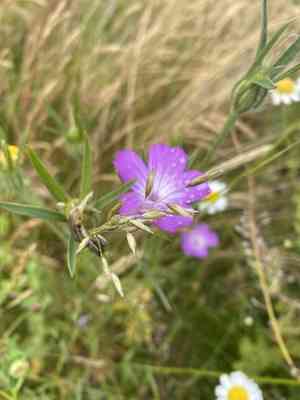
1
Apply fertilizer to Common corncockle one time in early summer to promote peak development.
2
Common corncockle exhibits enhanced flowering with the application of a balanced N-P-K plant food.
3
Excessive fertilization may lead to elongated stems and fewer flowers in Common corncockle.
Deciphering the Nutritional Requirements of Common corncockle
Essential Soil Nutrients for Peak Performance
For robust and thriving Common corncockle, grasping fundamental soil nutrition is vital. The core nutrients necessary for plant development are nitrogen (N), phosphorus (P), and potassium (K). These elements contribute to lush leaves, strong root systems, and vibrant blossoms. Soil abundant in organic matter aids in delivering a consistent supply of these crucial nutrients.
Particular Nutrient Needs of Common corncockle
Common corncockle flourishes best in well-draining soil featuring a balanced nutrient profile. They particularly benefit from elevated phosphorus levels during the bud formation stage, which encourages healthy and profuse flowering. Supplying adequate nitrogen is crucial for the plant's foliage, while potassium supports overall vitality and resistance to diseases.
Indicators of Nutrient Scarcity in Common corncockle
Spotting nutrient deficits in Common corncockle can help resolve problems before they become severe. Watch for yellowed leaves, which may signal a nitrogen shortage. Poor bloom production could indicate a phosphorus deficiency, while weak or limp stems might point to insufficient potassium. Regularly observing these signs helps maintain the plant's well-being.
Selecting the Appropriate Fertilizer for Common corncockle
Fertilizer Varieties Suitable for Common corncockle
A range of fertilizer types are available that can meet the demands of Common corncockle. These include granular fertilizers, which release nutrients gradually over time, and liquid fertilizers that offer immediate nourishment. Organic alternatives such as compost and manure can also be advantageous, providing not only nutrients but also enhancing soil quality.
Organic vs. Synthetic Fertilizers: Which is Optimal?
Choosing between organic and synthetic fertilizers depends on your gardening inclinations. Organic fertilizers, like compost or fish emulsion, are eco-friendly and enhance soil structure over time. Synthetic fertilizers, conversely, offer a precise nutrient blend and can yield faster outcomes. However, for sustainable gardening, organic options are often favored for their long-term advantages.
How to Interpret Fertilizer Labels: N-P-K Ratios Explained
Understanding fertilizer labels is paramount for selecting the correct product for your Common corncockle. The N-P-K ratio on fertilizer packaging denotes the percentages of nitrogen, phosphorus, and potassium. For instance, a 10-10-10 fertilizer contains 10% of each of these vital nutrients. For Common corncockle, a balanced ratio like 10-10-10 or a slightly higher phosphorus content, such as 10-20-10, aids in achieving optimal development and flowering.
Effective Fertilization Methods for Common corncockle
When and How Often to Nourish Common corncockle
Common corncockle benefits from fertilization in early summer. Applying nutrients once during this period sustains the plant through its active growth and flowering phases. Overly frequent fertilization can result in nutrient imbalances and potentially harm the plant, so adhering to a once-per-season schedule is recommended.
Step-by-Step Guide for Fertilizing Common corncockle
Select a balanced or slightly phosphorus-rich fertilizer. Thoroughly moisten the soil around the plant before application. Distribute the fertilizer evenly around the plant's base, avoiding direct contact with stems or leaves. Gently incorporate the fertilizer into the soil's top layer if using granular, or follow dilution instructions for liquid types. Water the plant again to help nutrients permeate the soil.
Typical Errors to Avoid When Fertilizing Common corncockle
Refrain from over-fertilizing, as this can lead to excessive leaf growth at the expense of fewer blooms. Ensure even fertilizer distribution to prevent root scorching. Always adhere to the recommended dosage on fertilizer labels to avoid nutrient toxicity. Finally, resist fertilizing during dormant periods or non-growing seasons to prevent waste and potential plant damage.



