Optimal Fertilizer for Growing Chinese evergreen: What You Need to Know
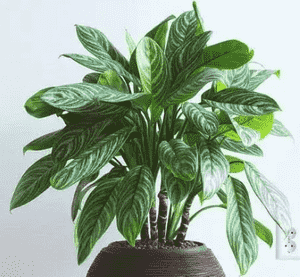
1
During its active growth phase, Chinese evergreen benefits from a balanced 20-20-20 plant food.
2
To protect the roots from damage, ensure the plant is well-watered both before and after fertilization.
3
Excessive nutrients can cause the tips of Chinese evergreen leaves to turn brown and hinder its development.
Deciphering the Nutritional Requirements of Chinese Evergreen
Essential Nutrients for Chinese Evergreen
Like many indoor plants, Chinese evergreen flourishes when it receives a proper balance of nutrients. Its primary nutritional needs include nitrogen (N), phosphorus (P), and potassium (K). Nitrogen is vital for foliage development, phosphorus aids root growth and flowering, while potassium contributes to overall plant health and disease resistance. Additionally, trace elements like magnesium, iron, and calcium are beneficial for a lush and vibrant Chinese evergreen.
Indicators of Nutrient Deficiency in Chinese Evergreen
A Chinese evergreen lacking nutrients often exhibits various signs that suggest it's time for feeding. Common symptoms include yellowing foliage, sluggish growth, and brown leaf tips. Yellow leaves typically signal a nitrogen deficit, whereas slow growth may point to insufficient phosphorus or potassium. Observe these indicators to maintain your plant's health and vitality.
Selecting the Appropriate Fertilizer for Chinese Evergreen
Comparing Synthetic and Organic Fertilizers
When choosing a fertilizer for your Chinese evergreen, you'll encounter both synthetic and organic options. Synthetic fertilizers often work more rapidly and offer precise nutrient ratios, making them good for quick fixes. However, they can lead to accumulation and require careful management to prevent over-feeding. Conversely, organic fertilizers, such as compost or fish emulsion, gradually release nutrients and enhance soil quality over time. They are generally safer but might yield slower outcomes. Each type has its advantages, so consider your plant's demands and your lifestyle when deciding.
Recommended N-P-K Ratio for Chinese Evergreen
For robust development, Chinese evergreen benefits from a balanced N-P-K ratio, typically a 20-20-20 formula. This signifies that the fertilizer contains equal proportions of nitrogen, phosphorus, and potassium, ensuring all vital nutrients are available in balanced amounts. During the active growing period, which is summer, this balanced fertilizer will stimulate vigorous growth and overall plant well-being.
How and When to Feed Chinese Evergreen
Optimal Times of Year for Fertilization
The best period to fertilize Chinese evergreen is during its active growth phase, which occurs in the summer months. Fertilizing in summer ensures the plant has all the required nutrients to maximize its growth potential. You should refrain from fertilizing in the autumn and winter as the plant's growth naturally decelerates during these seasons.
Step-by-Step Guide to Fertilizing Chinese Evergreen
Begin by selecting a balanced 20-20-20 fertilizer.Dilute the fertilizer to half its recommended strength to prevent over-feeding.Ensure the soil is moist by watering your plant thoroughly before application.Apply the fertilizer evenly around the plant's base.Water again after application to help distribute the nutrients within the soil.Repeat this procedure every 4-6 weeks during the summer.
Common Errors in Fertilizing Chinese Evergreen
Signs and Solutions for Over-Fertilization
Excessive fertilization can do more harm than good for your Chinese evergreen. Symptoms of over-fertilization include brown or scorched leaf tips, salt accumulation on the soil surface, and stunted development. If you suspect over-fertilization, flush the soil by watering it thoroughly and allowing the surplus water to drain away. Reducing the frequency and concentration of fertilizer in future applications can help mitigate these issues.
How to Properly Dilute and Apply Fertilizer
Accurate dilution and application of fertilizer are crucial for preventing harm to your Chinese evergreen. Always dilute the fertilizer to half its suggested strength. This stops the potent chemicals from burning the plant's roots. Furthermore, applying the diluted solution to damp soil ensures even distribution and lowers the risk of root burn. By meticulously following these steps, you ensure your plant receives a consistent nutrient supply without the danger of over-fertilization.
Additional Care Practices to Enhance Fertilization
Watering Routines for Chinese Evergreen
Chinese evergreen needs consistent moisture but dislikes being waterlogged. Water the plant when the top 3-5 cm (1-2 inches) of soil feels dry. Ensure that extra water can drain freely to prevent waterlogged roots, which can lead to root rot. A good general practice is to check the soil moisture weekly.
Ideal Lighting and Humidity for Enhanced Growth
Chinese evergreen thrives in indirect light, making it a great option for indoor areas with moderate illumination. Avoid placing it in direct sunlight, which can scorch its leaves. Maintaining a humidity level between 60-70% will also benefit the plant, as it replicates its native tropical environment. You can increase humidity by placing a water tray nearby or using a humidifier.



