Optimal Fertilizer for Growing Flossflower: What You Need to Know
1
For ideal growth, Flossflower needs a balanced supply of nitrogen, phosphorus, and potassium.
2
Over time, organic plant foods enhance soil quality, which positively impacts Flossflower.
3
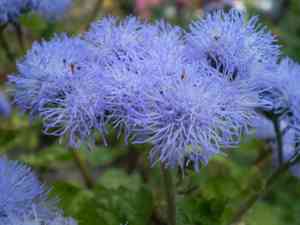
Summer fertilization encourages Flossflower to produce abundant, colorful flowers.
Deciphering Flossflower's Nutritional Requirements
Crucial Nutrients for Flossflower's Vitality
For Flossflower to flourish, it requires primary nutrients such as nitrogen (N), phosphorus (P), and potassium (K). Nitrogen aids in developing vibrant, green foliage. Phosphorus is essential for root growth and blossoming, while potassium enhances overall plant resilience and disease resistance. Micronutrients like magnesium, iron, and calcium are also indispensable for its health.
Indicators of Nutritional Shortfalls
Identifying signs of nutrient deficiencies in Flossflower allows for prompt corrective action. Yellowing leaves frequently suggest a nitrogen deficit. Limited flowering or sluggish growth may point to a lack of phosphorus. If leaf margins turn brown, insufficient potassium might be the cause. Maintaining a balanced nutrient supply can prevent these problems.
Selecting the Appropriate Fertilizer for Flossflower
Fertilizer Varieties: Advantages and Disadvantages
Several fertilizer types are suitable for Flossflower, including granular, liquid, and slow-release options. Granular fertilizers are simple to apply but require watering post-application. Liquid fertilizers provide rapid effects, perfect for immediate nutrient boosts, whereas slow-release fertilizers deliver a consistent nutrient supply over time. Each type offers benefits depending on specific gardening needs.
Organic Versus Inorganic Fertilizers
The choice between organic and synthetic fertilizers aligns with your gardening approach. Organic fertilizers, like compost and manure, enrich soil structure and release nutrients gradually. They are eco-friendly and promote long-term soil wellness. In contrast, synthetic fertilizers offer precise nutrient formulations and quick results, but can potentially harm soil microbes over time.
Optimal Fertilization Schedule for Flossflower
Best Seasons for Nutrient Application
The ideal period to fertilize Flossflower is during the summer months. Fertilizing at this time supports the plant's growth cycle and stimulates abundant blooms. Applying fertilizer at the commencement of the growing season can give plants a robust start. A mid-season boost can sustain their vigor throughout their active development.
How Often Should Fertilization Occur?
The frequency of fertilization depends on the fertilizer type employed. Generally, a balanced strategy would involve fertilizing Flossflower every 4-6 weeks during the growing season with a granular or liquid product. Slow-release fertilizers may only require a single application at the outset of the growing season.
Techniques for Fertilizing Flossflower
Step-by-Step Application Procedure
Fertilizing Flossflower involves several easy steps. First, thoroughly water the plants before application to prevent root burn. Disperse the fertilizer around the plant's base, avoiding direct contact with foliage. Gently incorporate the granules into the topsoil and water again to facilitate nutrient penetration. For liquid fertilizers, adhere to the manufacturer’s dilution instructions.
Common Fertilization Errors to Avoid
Steer clear of typical fertilization blunders to ensure healthy Flossflower development. Excessive fertilization can lead to nutrient burn, damaging roots and leaves. Insufficient fertilization can hinder growth and reduce flowering. Always follow recommended dosages, and refrain from fertilizing during extremely hot weather, as this can further stress the plants.
Post-Fertilization Monitoring of Flossflower
Observing Development and Alterations
After fertilizing Flossflower, observe the plants for noticeable changes. Robust growth, improved leaf coloration, and increased blooms indicate successful fertilization. Watch for any negative reactions, such as yellowing leaves or stunted growth, which might signal over-fertilization or other issues requiring attention.
Adapting Care Based on Plant Feedback
Adjusting care according to the plant's response is vital for continuous health. If plants show excessive vigor with abundant leafy growth but few flowers, reduce nitrogen content in subsequent applications. Conversely, if growth is slow, consider a balanced fertilizer with equal parts nitrogen, phosphorus, and potassium to enhance overall plant vitality.



