Optimal Fertilizer for Growing Red maple: What You Need to Know
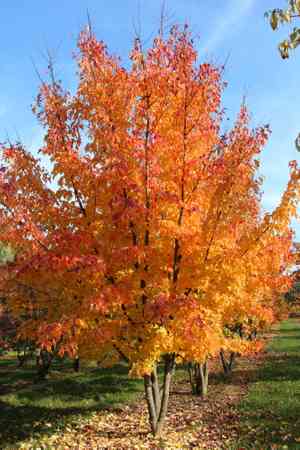
1
To achieve optimal outcomes, hydrate your Red maple 1-2 days prior to fertilization so the soil is damp.
2
Red maples flourish in somewhat acidic soil, maintaining a pH range of 5.4 to 6.5.
3
Think about utilizing a controlled-release fertilizer to deliver steady nourishment over an extended period.
Deciphering Red Maple's Nutritional Needs
Crucial Nutrients for Vigorous Development
For robust and thriving growth, Red maples need vital nutrients like nitrogen (N), phosphorus (P), and potassium (K). These fundamental elements support various aspects of the tree's life. Nitrogen promotes lush foliage and vivid coloration, phosphorus aids strong root growth and blossom production, while potassium bolsters disease resistance and general health.
Indicators of Nutrient Deficiency
Prompt recognition of nutrient shortfalls is vital for maintaining your Red maple's well-being. Typical deficiency symptoms include yellowing leaves (pointing to insufficient nitrogen), poor root development (phosphorus deficiency), and reduced immunity to illnesses (potassium deficiency). Regular observation of your tree's leaves and overall condition can help identify these problems early.
Selecting the Appropriate Fertilizer for Red Maple
Natural vs. Synthetic Fertilizers
When picking a fertilizer for your Red maple, you'll need to choose between organic and man-made options. Organic fertilizers, sourced from natural materials like compost or manure, release nutrients gradually and enhance soil quality over time. Synthetic fertilizers, conversely, provide an immediate nutrient boost and are formulated for precise applications. The choice hinges on your preference for long-term soil enrichment versus quick outcomes.
Fertilizer Blends and Their Effects
Understanding fertilizer labels is essential for choosing the correct product. Look for the N-P-K ratio displayed on the packaging, indicating the percentages of nitrogen, phosphorus, and potassium. For Red maples, a balanced blend such as 10-10-10 or a nitrogen-rich mix like 16-4-8 can encourage healthy growth. The specific ratio addresses the tree's current requirements; for instance, young trees may benefit more from nitrogen to support leaf and stem development.
Recommended Fertilizer Varieties
For Red maples, slow-release granular fertilizers are highly advised as they ensure consistent nutrient availability. Furthermore, organic compost can be an excellent supplement, enriching the soil structure and fertility. Combination fertilizers that include micronutrients such as iron, manganese, and zinc can also support the tree's overall health.
When to Fertilize Red Maple
Optimal Seasons for Nutrient Application
Spring is the best time to fertilize your Red maple. During this period, the tree awakens from dormancy and begins its active growth phase. Fertilizing in early spring ensures that the tree has access to vital nutrients as it starts to produce new leaves and branches. This timing lays the groundwork for vigorous growth throughout the year.
Understanding Growth Patterns and Fertilization Schedule
A Red maple's growth cycle includes a dormant period in winter, followed by robust growth in spring and summer. Fertilizing just as the tree emerges from dormancy fuels this growth surge. It's important to avoid fertilizing late in the season, especially in late summer or fall, as this can stimulate new growth that might not harden off before winter, making it vulnerable to frost damage.
Methods for Applying Fertilizer to Red Maple
Application Techniques for Maximum Nutrient Uptake
Proper fertilizer application maximizes nutrient absorption and minimizes waste. Distribute the fertilizer uniformly around the tree's drip line (the ground area directly beneath the outermost branches). This ensures nutrients reach the essential feeder roots. Water the soil after application to help dissolve the fertilizer and transport it to the root zone.
Safety Precautions and Common Errors
When fertilizing, always adhere to the manufacturer's instructions to prevent over-fertilization, which can harm your tree and nearby plants. Wear gloves to protect your skin from potential irritants in the fertilizer. Frequent mistakes include applying fertilizer too close to the trunk or in excessive quantities. Both can lead to root burn and other issues.
Monitoring and Adjusting Fertilization Practices
After fertilizing, observe your Red maple for signs of improvement or potential problems. Look for enhanced leaf color, increased growth rate, and general vigor as indicators of effective fertilization. If you notice any negative effects, such as scorched leaves or stunted growth, re-evaluate the type and amount of fertilizer used and make necessary adjustments.



