Feng Shui for Needle palm
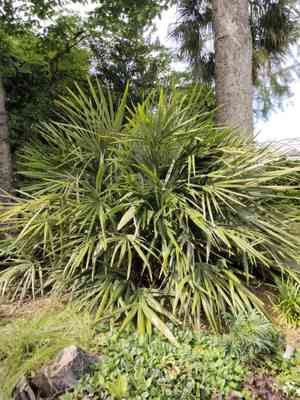
The Rhapidophyllum hystrix strongly resonates with favorable Feng Shui principles, particularly when situated in the eastern direction. Its robust, pointed fronds subtly symbolize the Wood element, which is historically linked to the East. This arrangement captures beneficial 'Chi' essential for development and revitalization. Nevertheless, personal outcomes can differ, underscoring the interpretive aspect of Feng Shui.
How Does Needle Palm Influence Energies in Your Life?
Growth, Vitality
Representing the Wood element, needle palm signifies development and vigor. It injects energy and promotes progress, much like a tree extending its limbs to flourish.
Movement, Change
According to Zhen Qi principles, needle palm embodies motion and transformation. It encourages advancement in your existence, generating dynamic energy that introduces fresh prospects.
What Makes Needle Palm An Auspicious Choice In Feng Shui?
Growth
Positioning needle palm in your work area can stimulate career advancement due to its Wood element symbolizing development and expansion.
Resilience
The needle palm embodies the Zhen Qi, fostering bravery, fortitude, and adaptability during difficult circumstances.
Balance
Due to its Wood element, needle palm assists in harmonizing the energy within an environment excessively influenced by Fire or Water elements.
What Maintenance Tips Should Be Considered for Needle Palm?
Avoidance
Exercise caution not to position needle palm in 'Earth' dominant rooms as Wood can destabilize Earth's equilibrium according to the destructive cycle in Fengshui.
Placement
Refrain from placing needle palm in dim, inactive areas as Zhen energy flourishes in lively, dynamic spaces to sustain its vigor.
Overpowering
As a potent Wood component, needle palm can readily overwhelm confined areas. Consequently, placement in expansive environments is advisable.
Where to Position Needle Palm for Feng Shui?
Where to Position Needle Palm for Feng Shui?
The needle palm strongly aligns with favorable Feng Shui energy, particularly when situated in the East. Its robust, needle-like foliage subtly represents the Wood element, traditionally linked with the East. This captures positive 'Chi' essential for growth and rejuvenation. Nevertheless, individual outcomes may differ, reflecting the subjective essence of Feng Shui.



