Feng Shui for Elkhorn fern
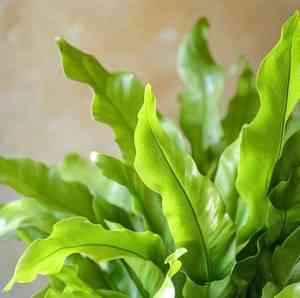
The Elkhorn fern is deemed suitable for an eastward orientation due to its elegant, fern-like appearance and vivid green coloration. Traditionally, in Feng Shui, the East signifies development and fresh starts, which aligns perfectly with the plant's green shade representing life force.
How Does Elkhorn Fern Influence Energies in Your Life?
Growth, Vitality
Consistent with its 'Wood' element, elkhorn fern represents Growth and Vitality. Wood embodies the life-force, symbolizing spring and the surge of new life. It fosters personal development, advancement, and forward momentum.
Activation, Movement
Regarding its 'Zhen' Qi, elkhorn fern signifies Activation and Movement. Zhen is linked to stirring, expansion, and the unfolding of latent potential. This makes it an excellent entity for facilitating motion, change, and progress in one's life.
What Makes Elkhorn Fern An Auspicious Choice In Feng Shui?
Growth
In harmony with the Wood element, elkhorn fern promotes vitality and development, fostering a thriving path in your professional and personal spheres.
Balance
Elkhorn fern aids in balancing 'Zhen' Qi energies, bringing equilibrium to the environment and encouraging a serene ambiance.
Prosperity
Elkhorn fern supports the accumulation of wealth, harnessing nature's abundant power and fostering prosperity in your residence or workplace.
What Maintenance Tips Should Be Considered for Elkhorn Fern?
Placement
Avoid placing elkhorn fern in areas with low energy, as the plant thrives on positivity and its development could be impeded.
Overloading
Introducing too many elkhorn fern plants can disrupt the balanced Qi, resulting in stagnation instead of growth and prosperity.
Care
Elkhorn fern demands nurturing; neglecting the plant's requirements might lead to disruptive energy and negative impacts on Fengshui advantages.
Where to Position Elkhorn Fern for Feng Shui?
Where to Position Elkhorn Fern for Feng Shui?
Elkhorn fern is deemed compatible with an East-facing orientation due to its elegant fern-like structure and vivid green color. Traditionally, East signifies growth and fresh starts in Feng Shui, aligning well with the plant's green hue symbolizing vitality.



