Feng Shui for Tree peony
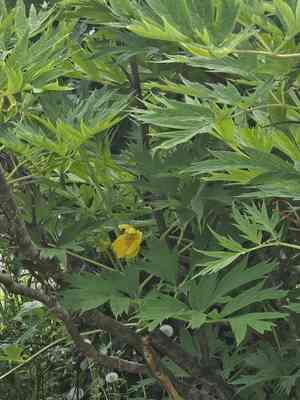
The tree peony exhibits a powerful affinity for the Southwest area, which is conventionally associated with 'Love & Relationship'. The plant's vivid blossoms generate invigorating chi, subtly balancing energies to cultivate interpersonal bonds. Given the diverse interpretations within Feng Shui, this recommendation might not align with every practitioner's perspective.
How Does Tree Peony Influence Energies in Your Life?
Growth and Transformation
Associated with the 'Wood' Element, the tree peony represents growth and change. It symbolizes the ability to evolve and adjust throughout life's journey, illustrating continuous advancement.
Fertility and Motherhood
The 'Kun' Qi aligns with the Earth element, frequently linked to feminine energy and maternal aspects. Tree peony's presence emanates fertility and nurturing vibes, signifying plenty and care.
What Makes Tree Peony An Auspicious Choice In Feng Shui?
Growth
The tree peony represents the wood element, which is connected to development, fostering a supportive atmosphere that encourages personal and career advancement.
Prosperity
The tree peony in Fengshui generates Kun Qi, symbolizing Earth, attracting wealth, abundance, and stability into one's existence.
Health
The tree peony's lively energy is linked to vitality, revitalization, and renewal, promoting both emotional and physical wellness.
What Maintenance Tips Should Be Considered for Tree Peony?
Placement
Ensure tree peony is situated in a location that does not disturb the energy or create imbalance within the home's overall Fengshui.
Stagnation
An abundance of the wood element from the tree peony might create stagnant energy, potentially hindering progress and harmony.
Overdominance
While tree peony encourages growth and prosperity, too much can overshadow other elements. Balance its application to maintain all life aspects equally.
Where to Position Tree Peony for Feng Shui?
Where to Position Tree Peony for Feng Shui?
The tree peony exhibits a strong connection with the Southwest area, traditionally associated with 'Love & Relationship'. This plant's vibrant flowers promote energizing chi, subtly balancing energies to nurture personal bonds. As Feng Shui interpretations can differ significantly, this recommendation may not resonate with all practitioners.



